Over a number of years, working alongside researchers and academics, I have had the privilege of travelling throughout the South Pacific — from Papua New Guinea to the Solomon Islands — documenting everyday life and cultural practices.
In small, remote communities, families have welcomed me into their homes and shared what little they have, allowing me to record their daily routines with honesty and trust. That generosity sits at the heart of this work.
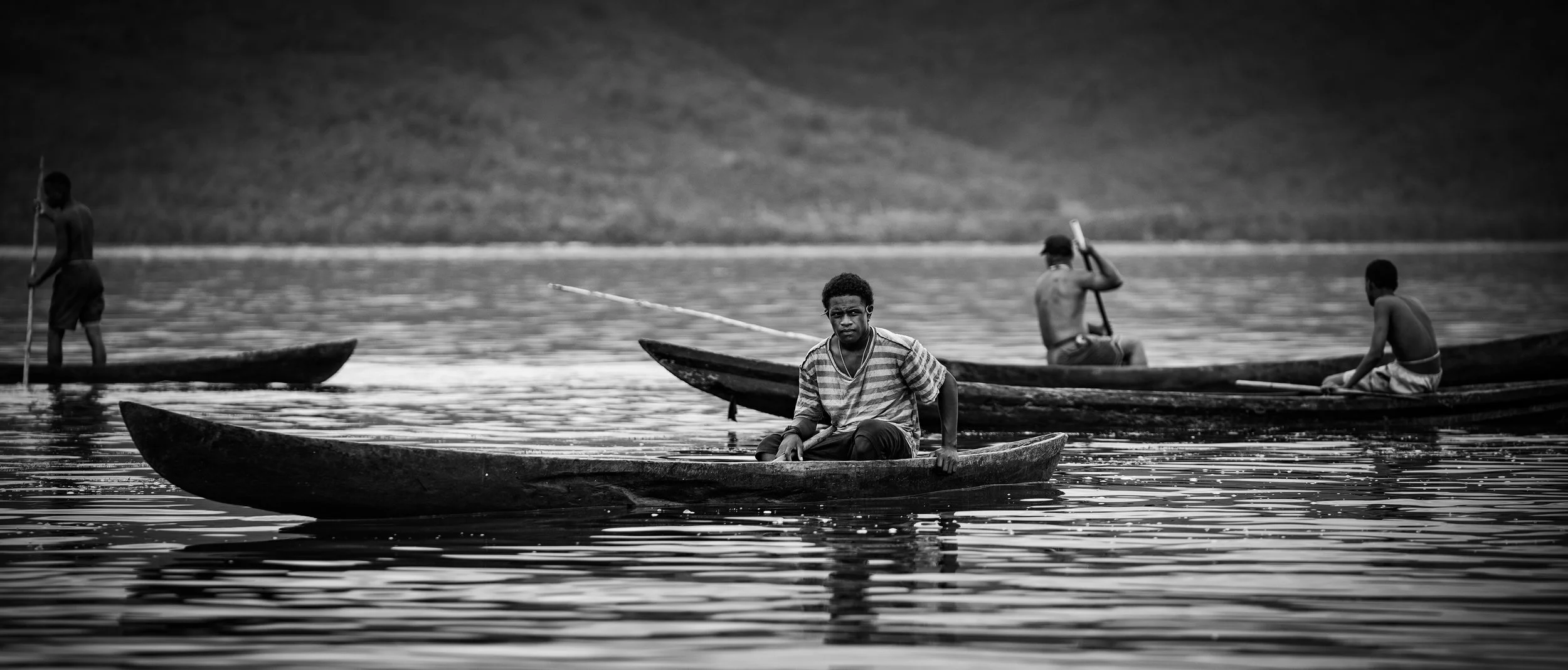
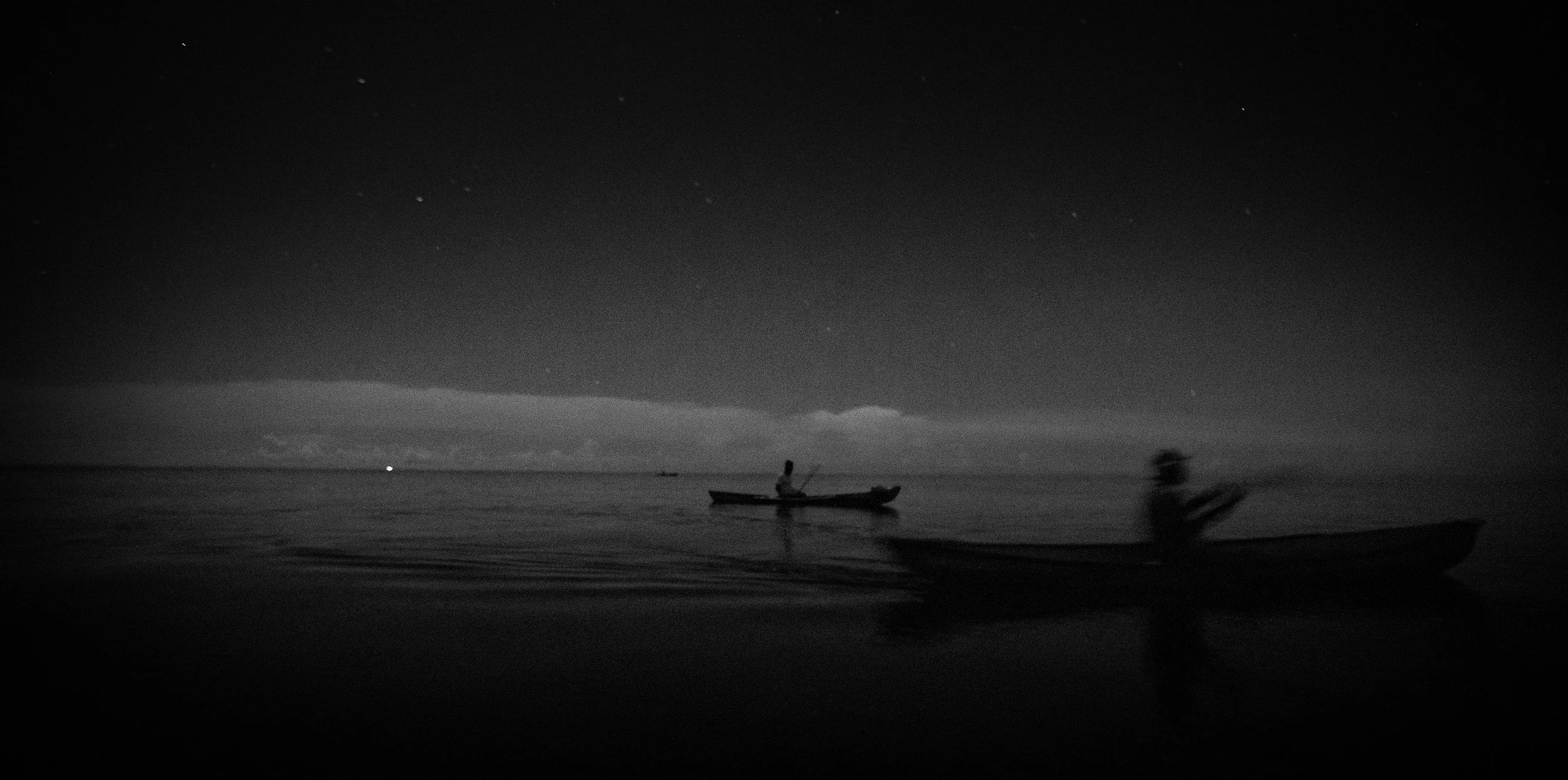
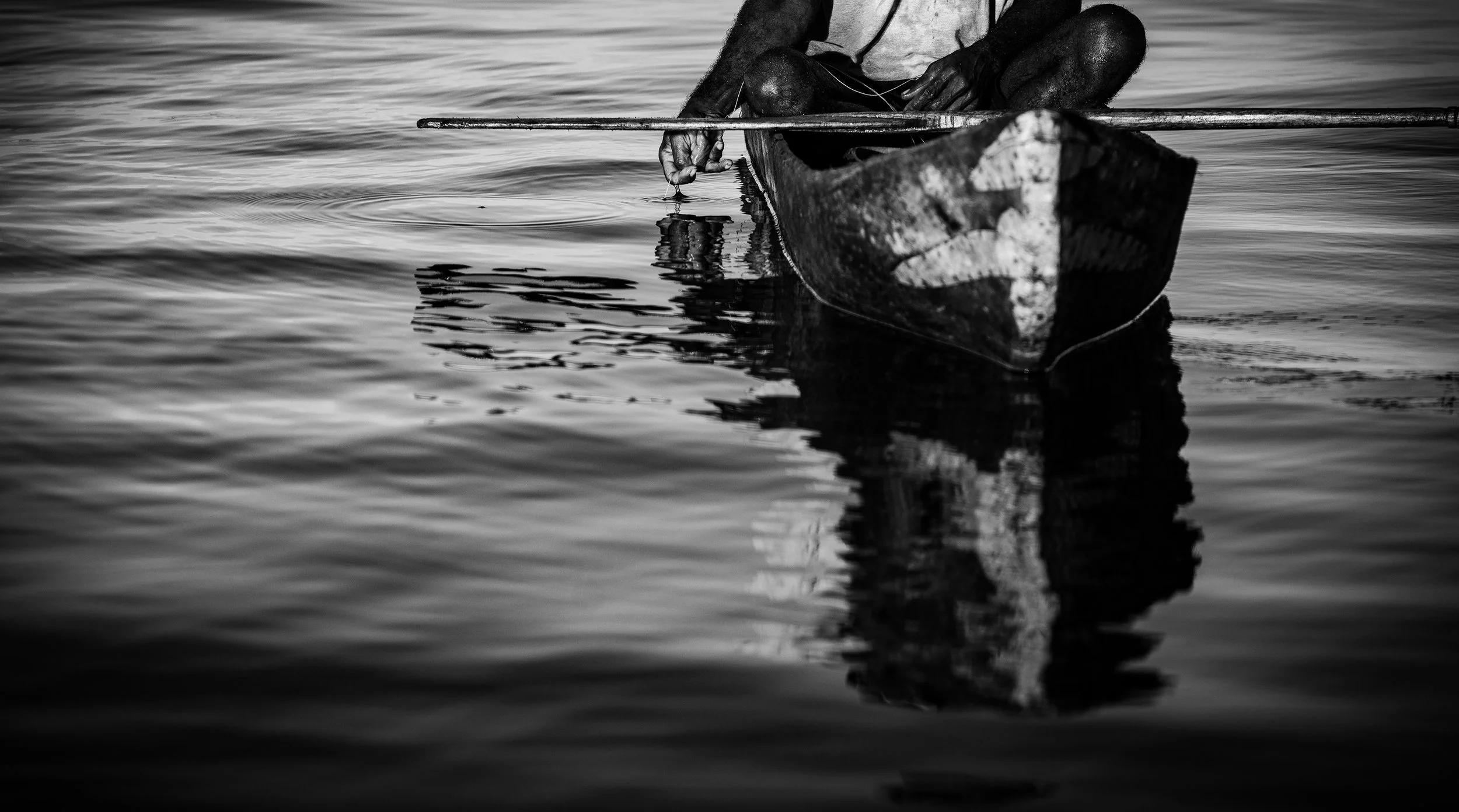
Fishing remains a cornerstone of life in the coastal communities of the Solomon Islands and across the Pacific. It underpins livelihoods, sustains families and safeguards food security. Yet this way of life is under increasing strain. Overfishing, rapid population growth and the accelerating impacts of climate change are reshaping both reef systems and village economies.
In many remote areas, communities are reporting worrying declines in fish stocks. What was once predictable is now uncertain.
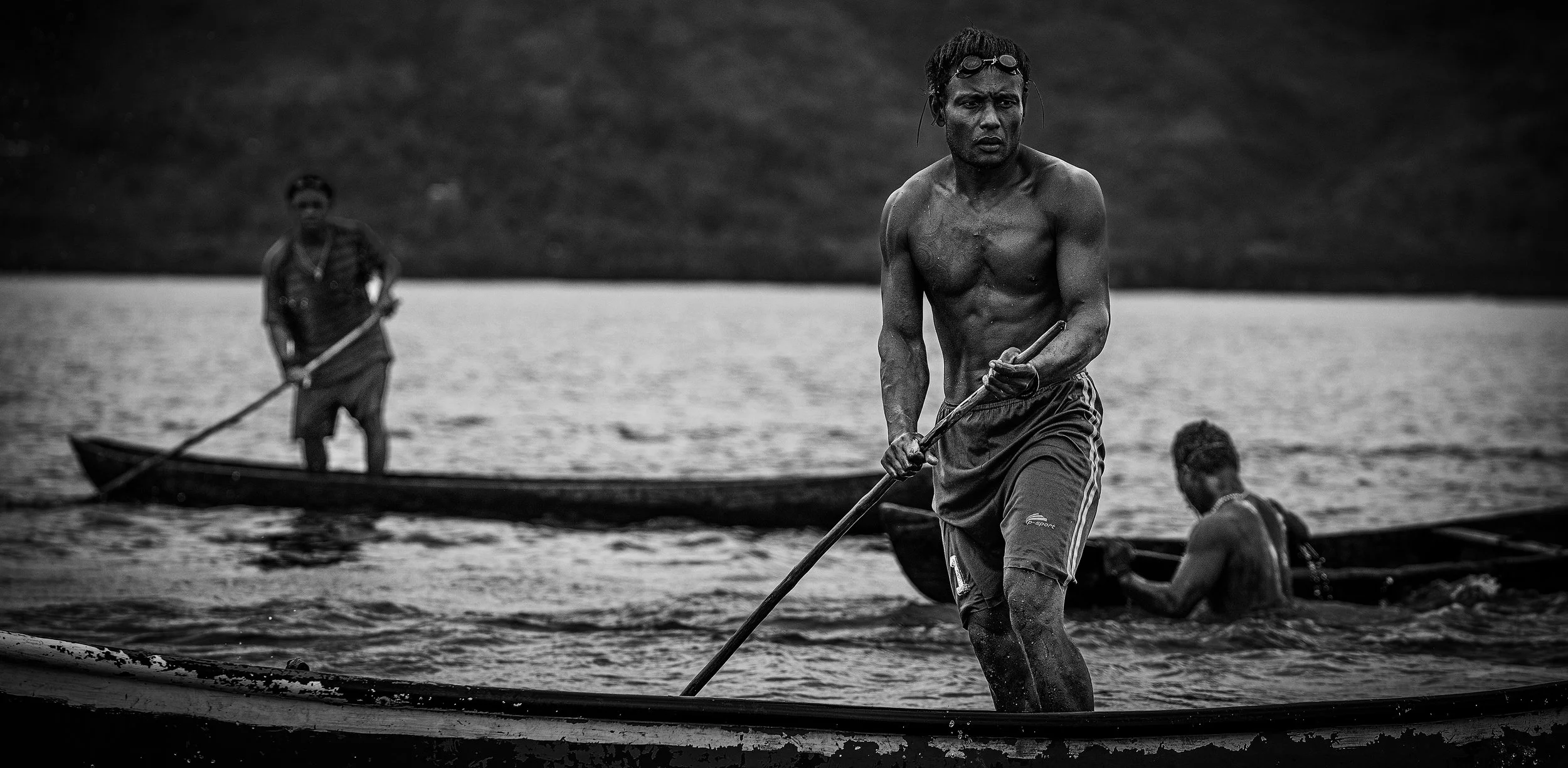
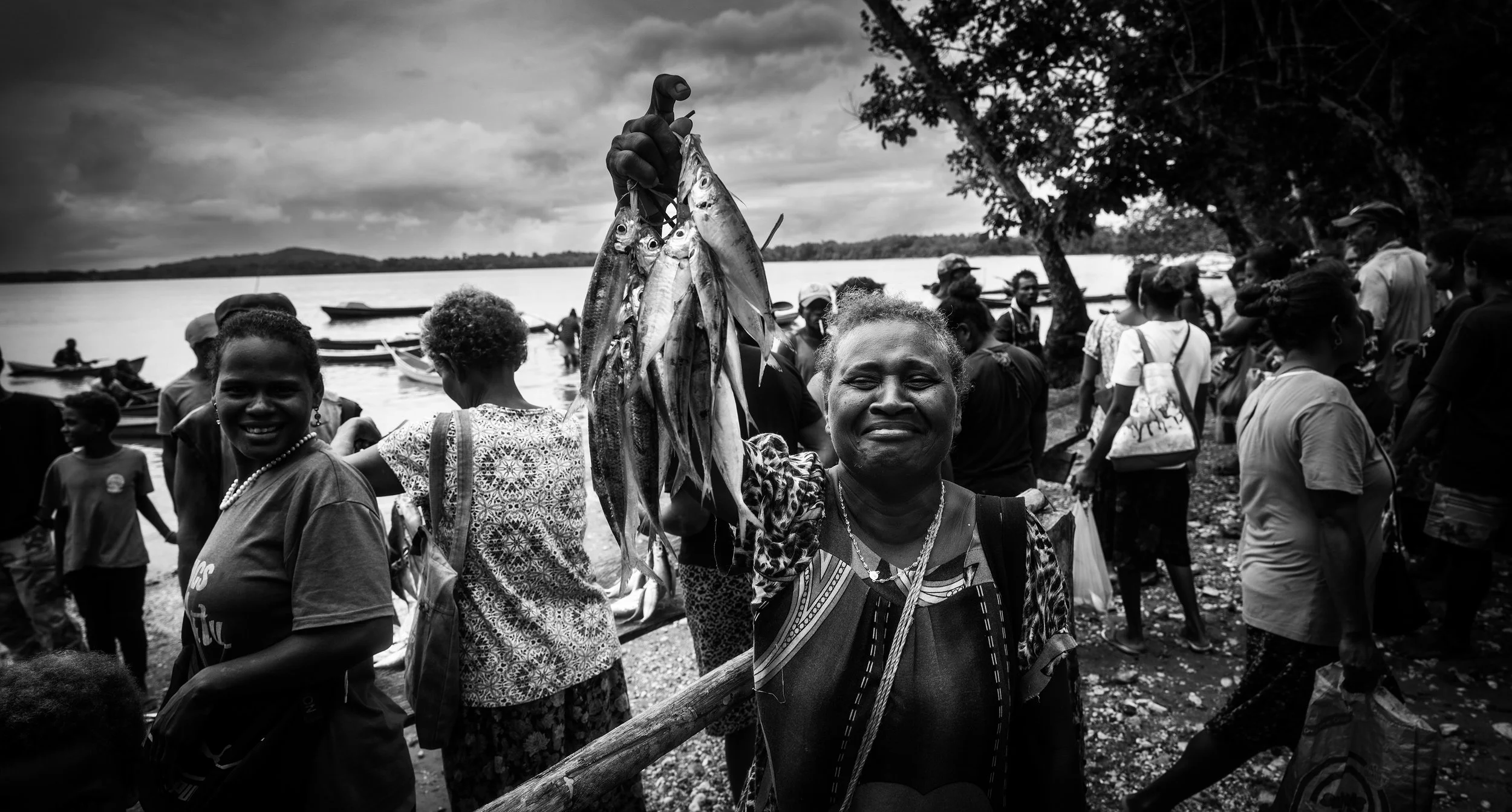
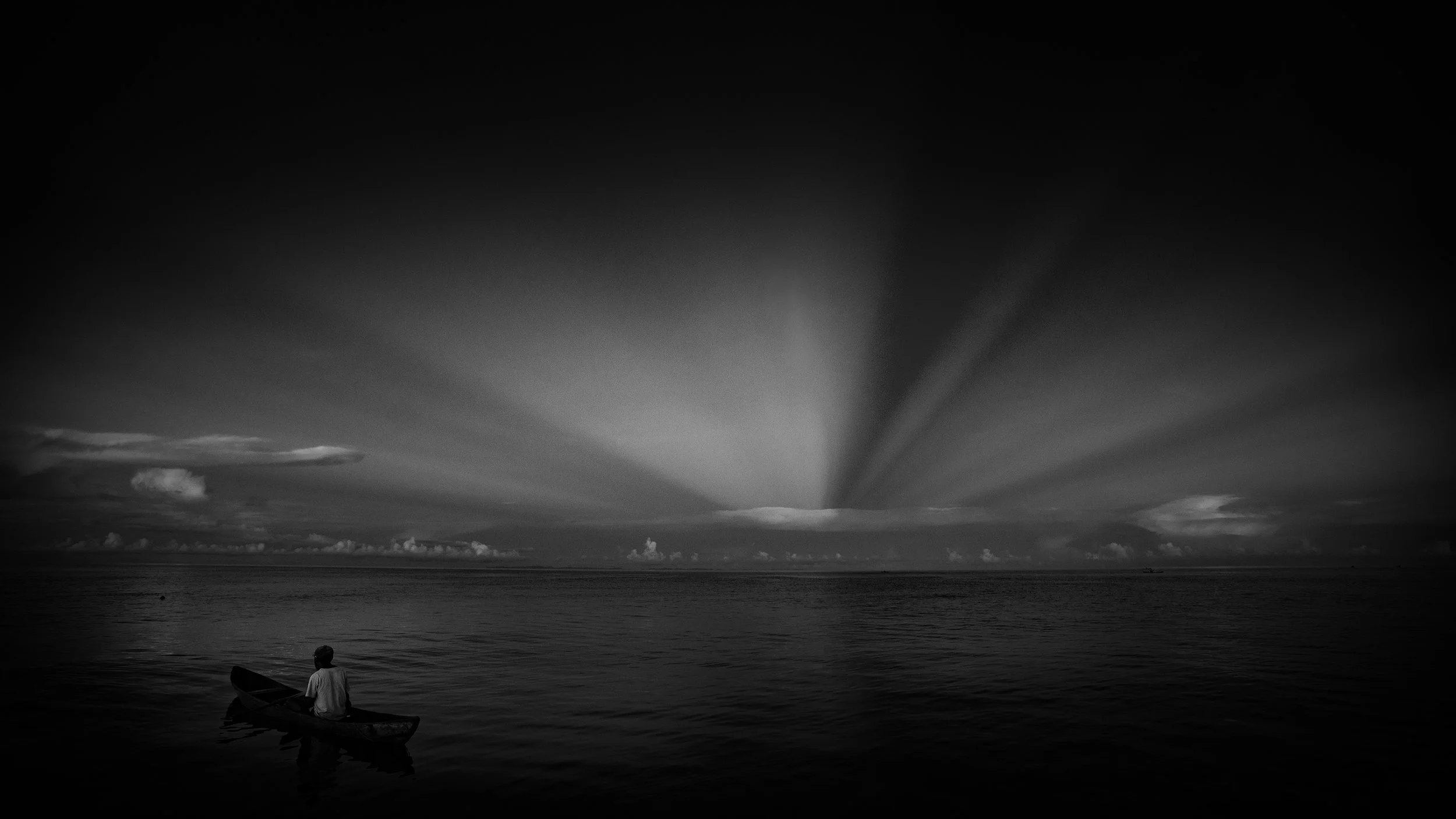
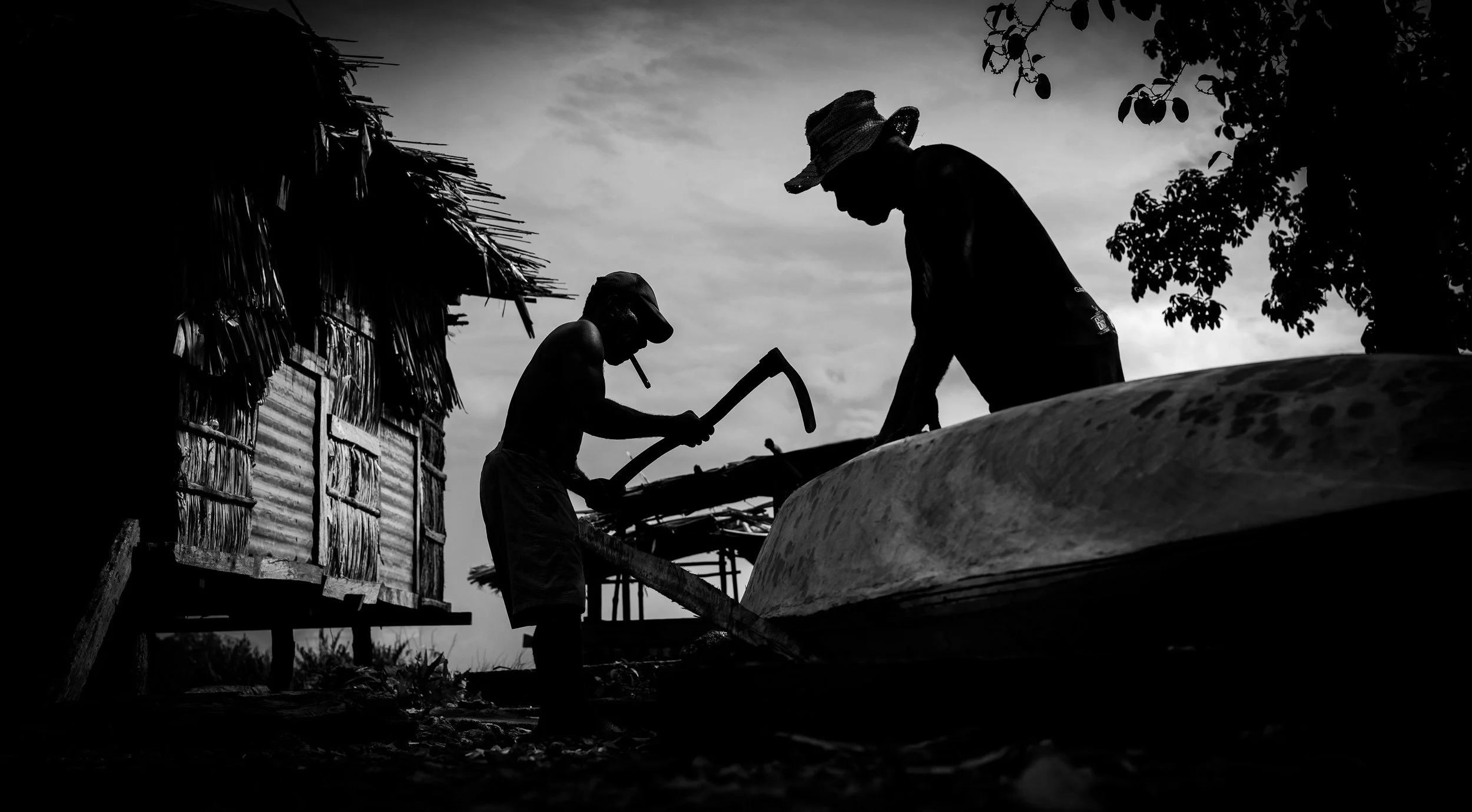
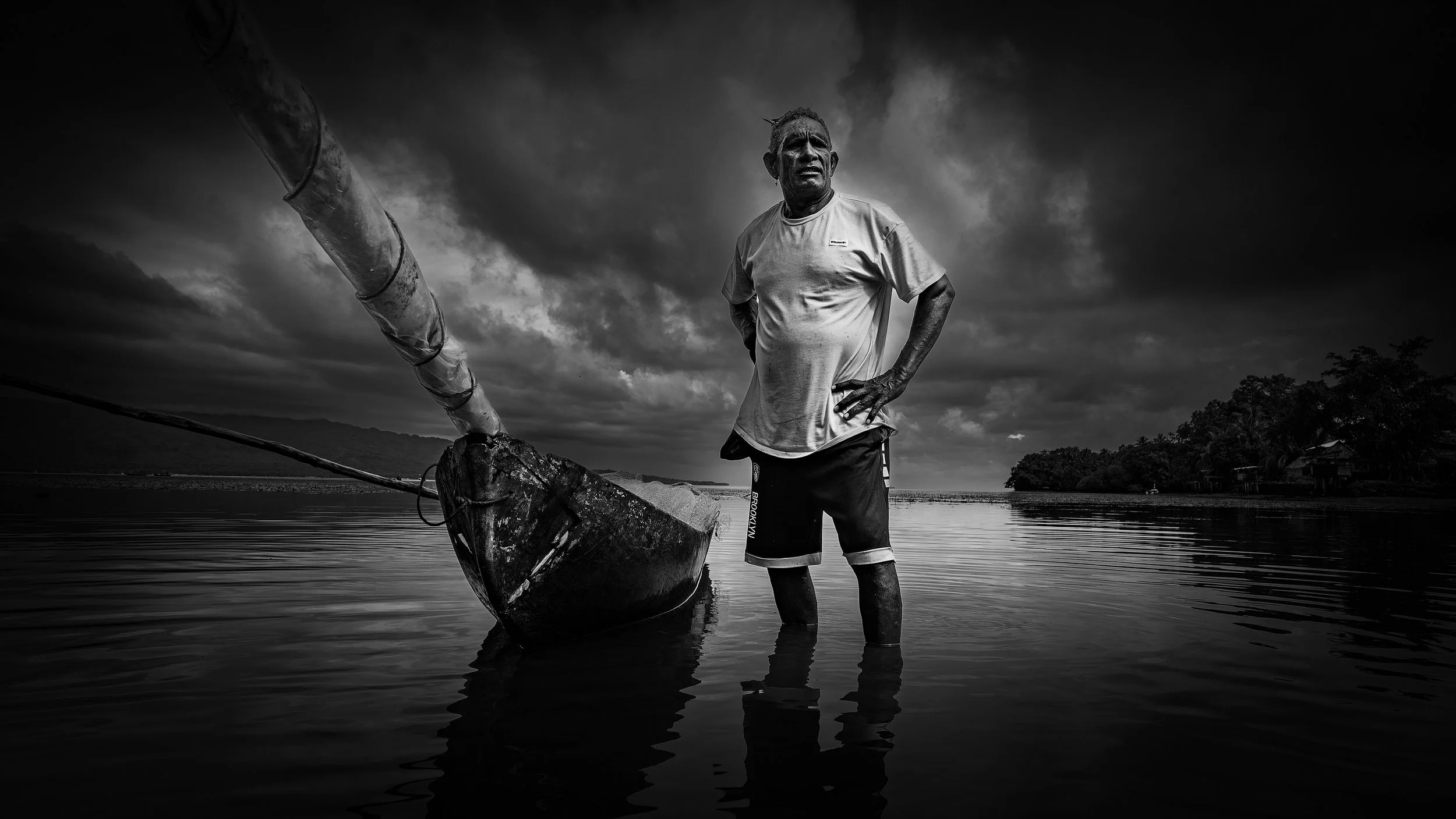
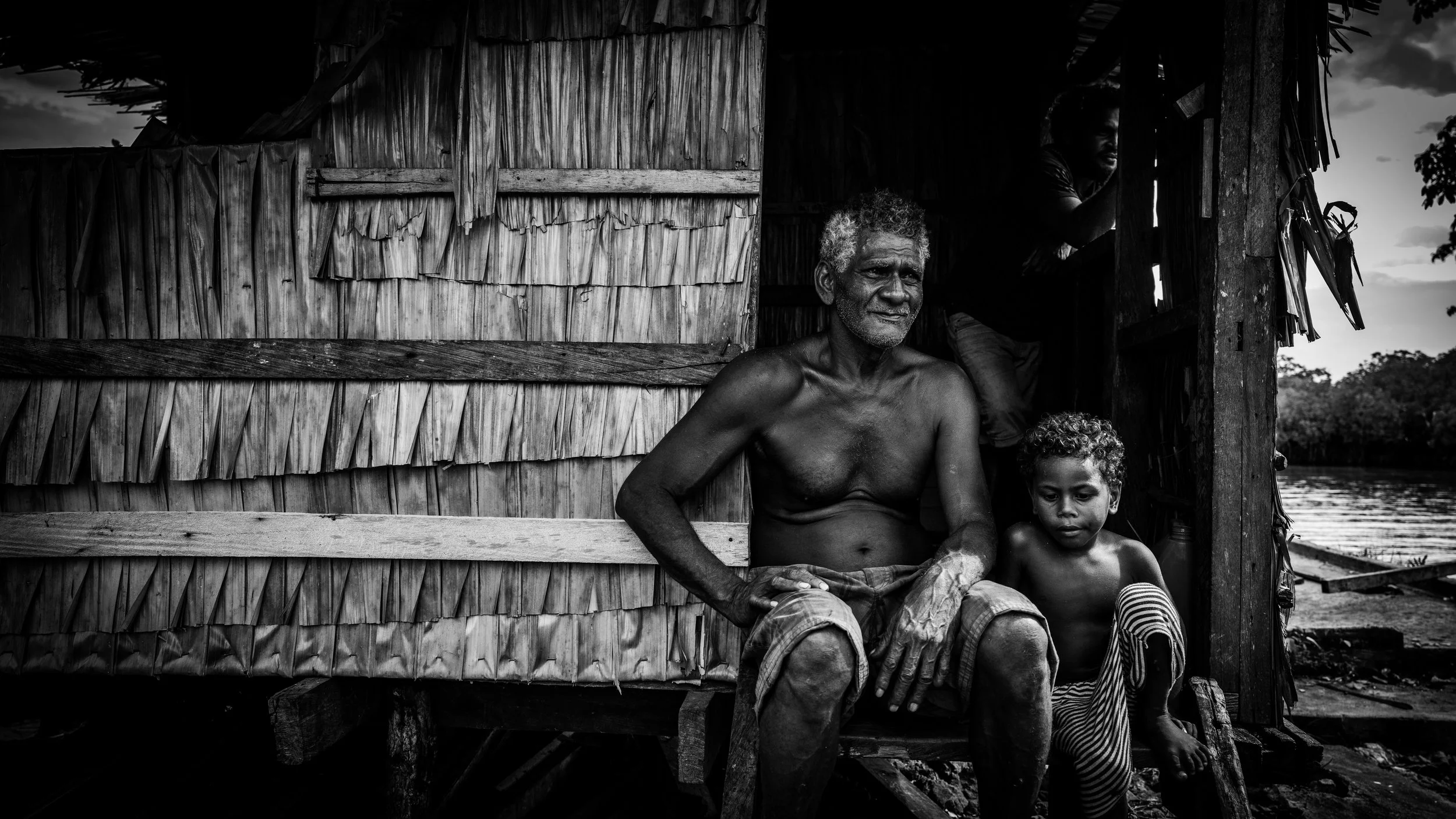
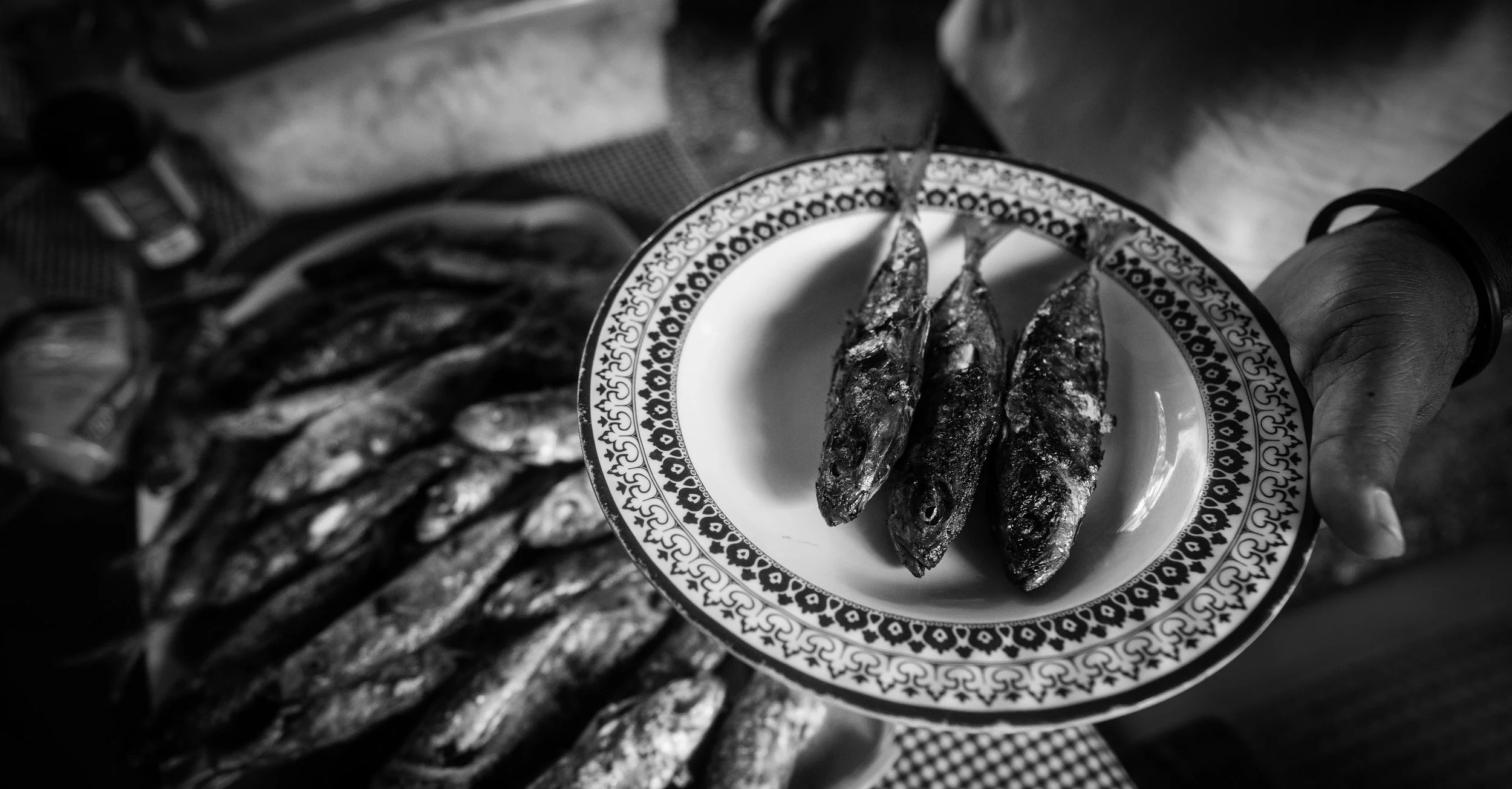
The following photographs are drawn from my recent travels in the Solomon Islands. They capture both resilience and fragility — the daily rituals of fishing, the intergenerational transfer of knowledge, and the quiet anxiety that accompanies environmental change.
“Fast-growing populations, overfishing and destructive practices like dynamiting have severely damaged Malaita’s reefs,” says Meshach Sukulu, lead researcher at WorldFish. “Combined with rising sea temperatures, sea-level rise and increasingly unpredictable weather, fishing has become much harder than it was even a year ago.”
These images do not simply document decline; they record a community at a crossroads — navigating tradition, survival and an uncertain environmental future.