Images of Mordor: A Photo Essay of an Australian Rust Belt City at Night
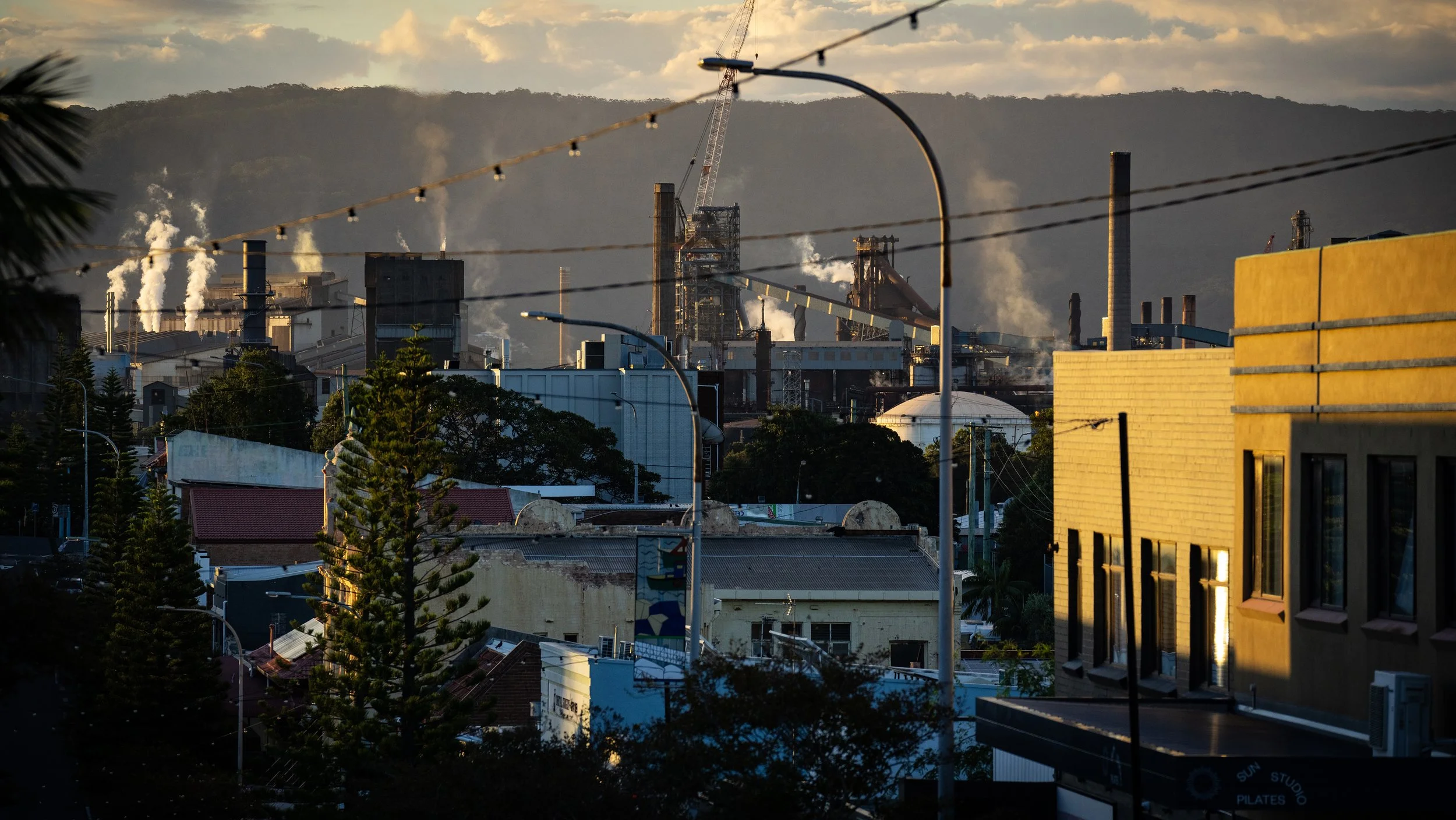
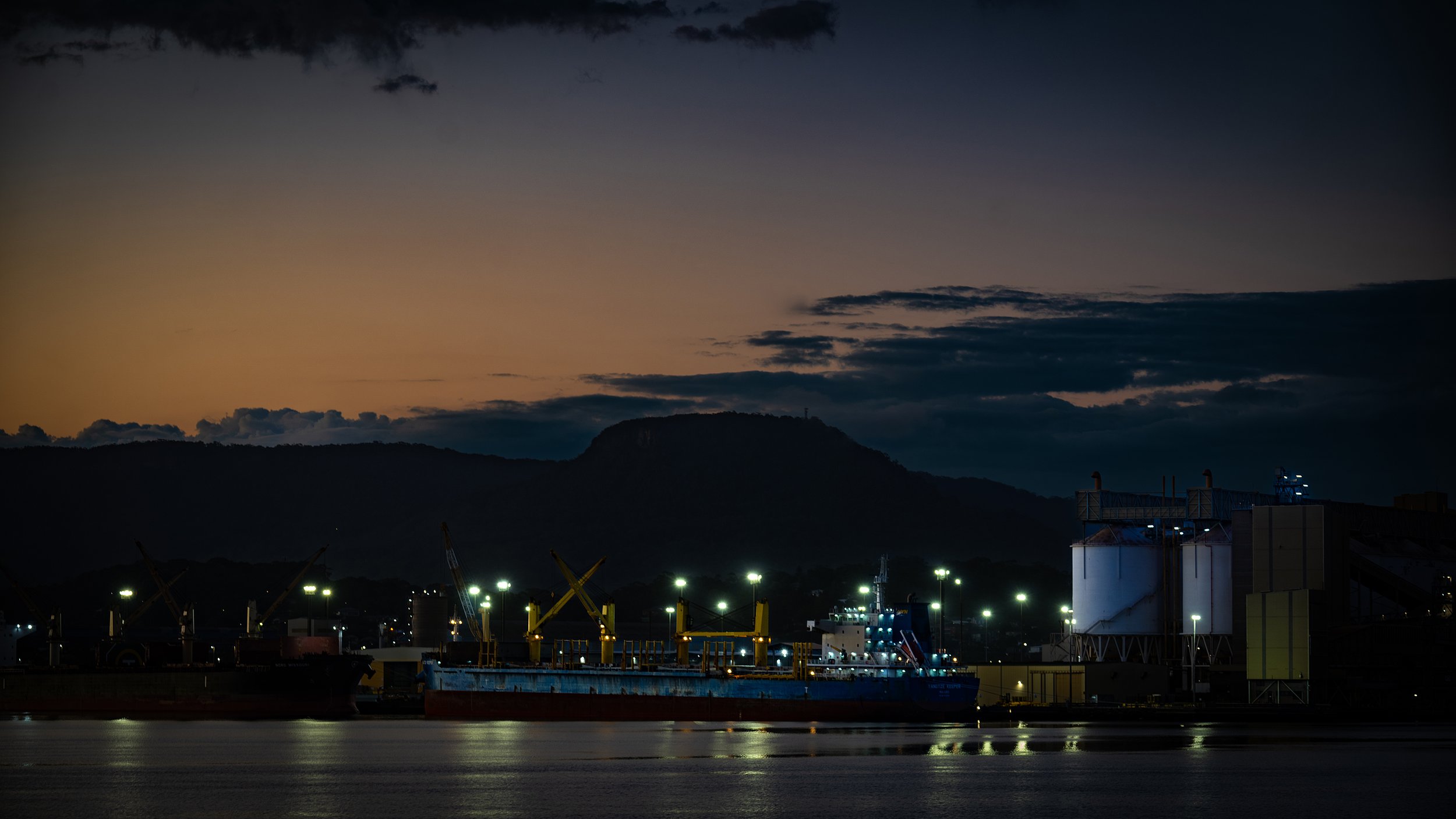
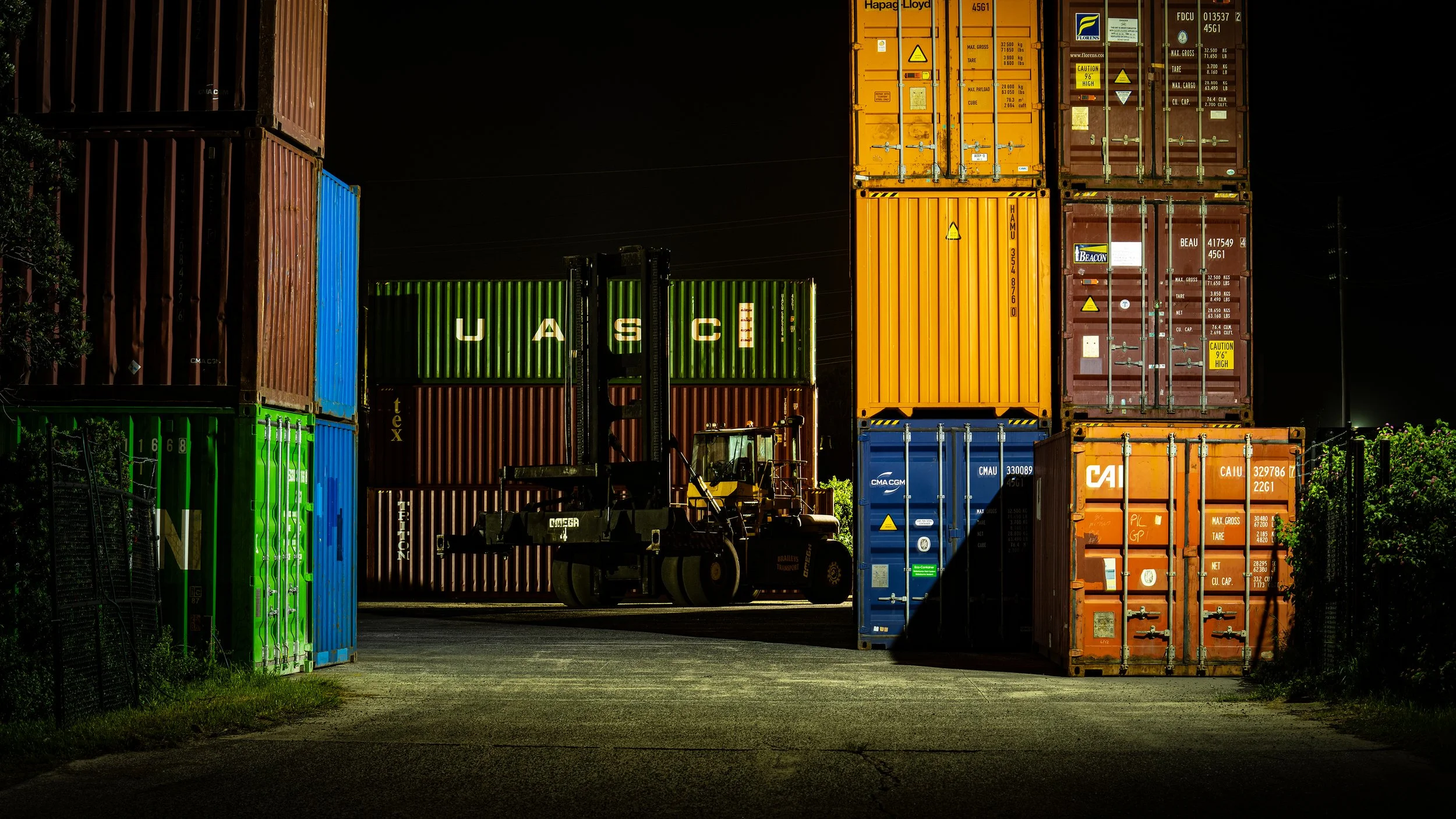
This photo essay forms part of a university project documenting the Wollongong suburb of Port Kembla—a landscape in transition. Once defined by heavy industry, the suburb is undergoing a significant transformation, evolving into a diverse and increasingly eclectic coastal community. This “renaissance” is driven by large-scale industrial land rezonings, a 25-year revitalisation plan, and an influx of new creative, café and residential activity.
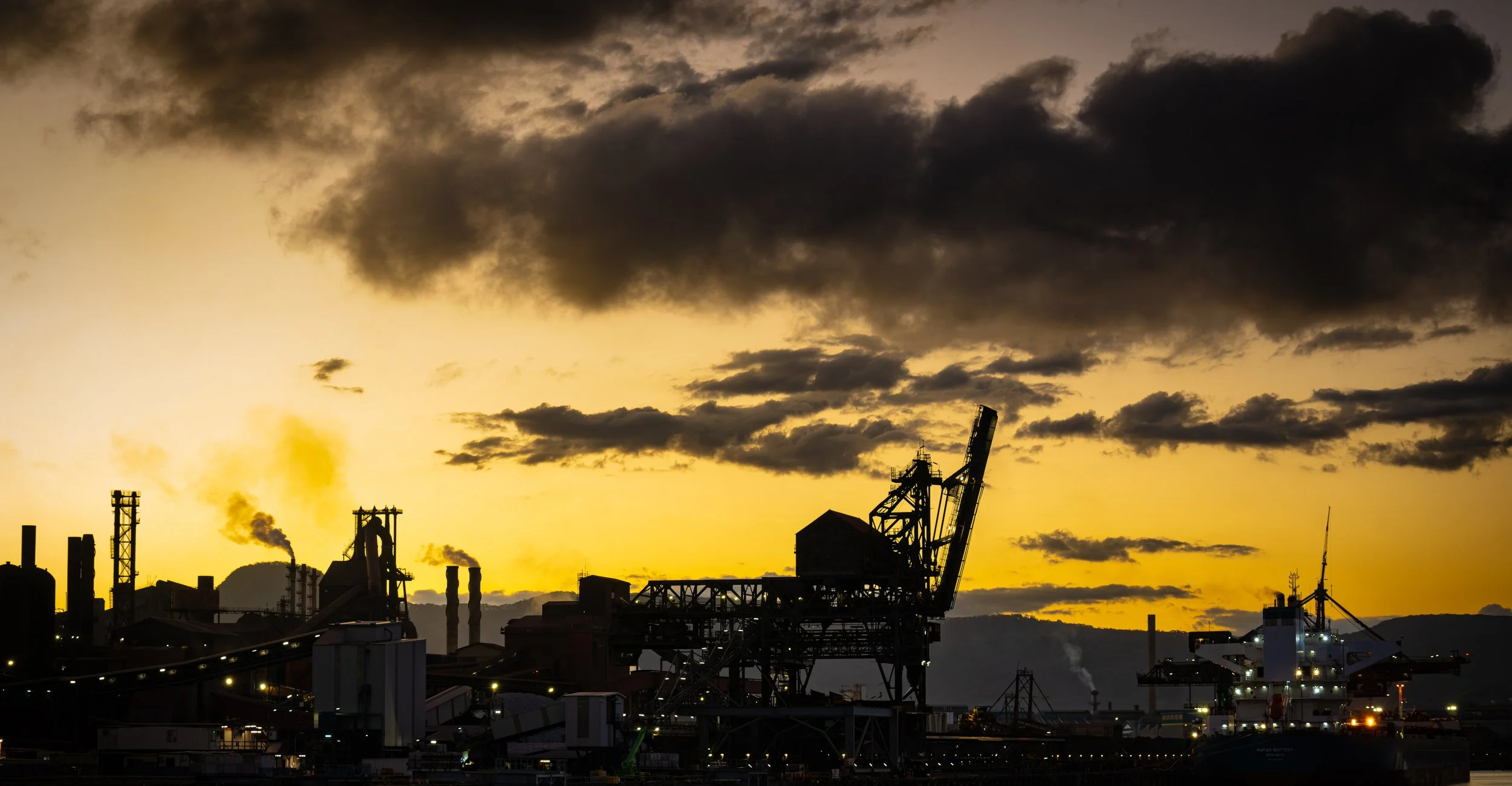
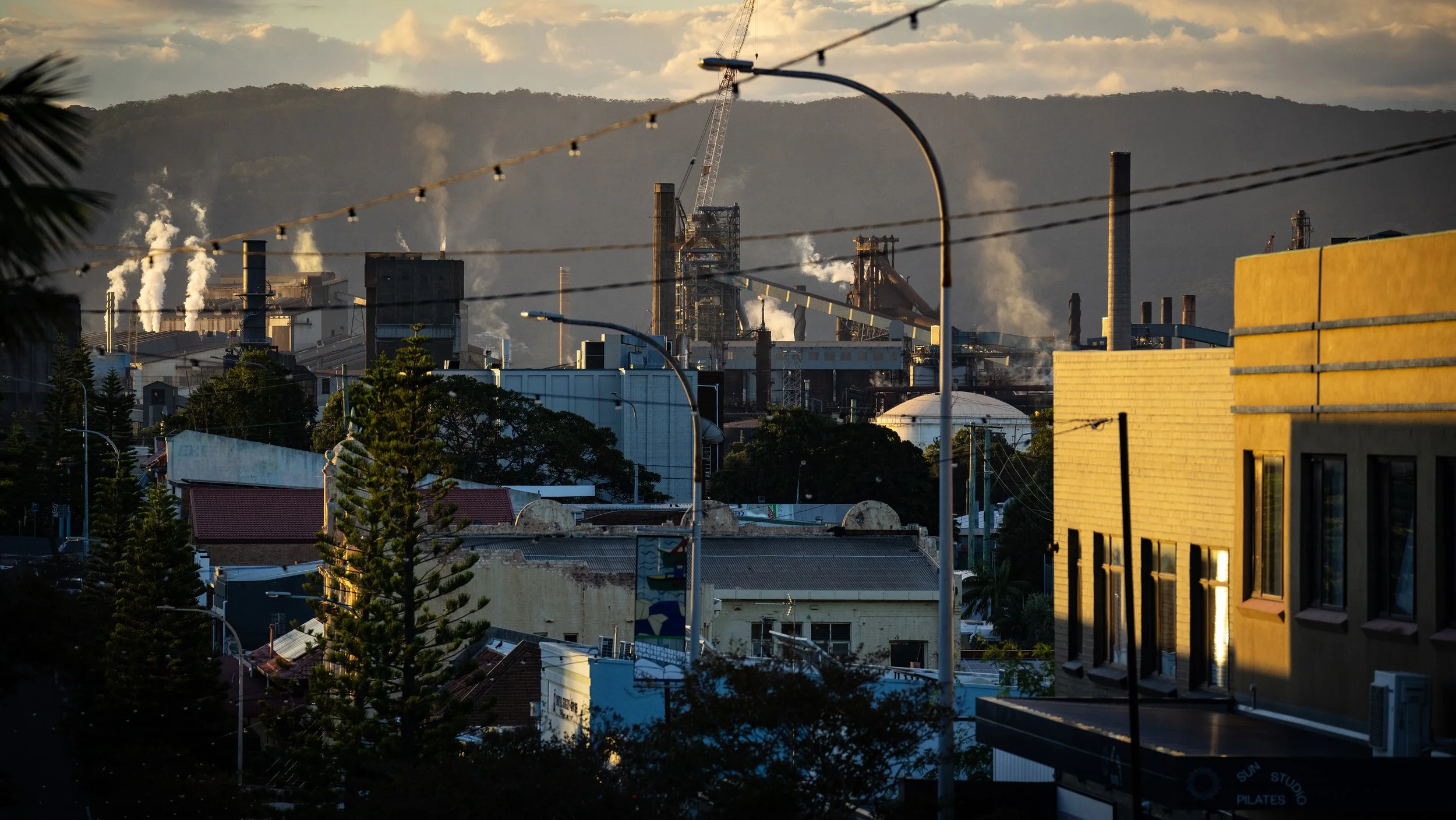
Writers and artists have long been drawn to the power and contradictions of industrial landscapes. Dymphna Cusack described the steelworks as dramatising the “primal ethical conflict of fossil-fuel modernity,” exposing the tension between the power of carbon capitalism and its human costs. Walt Whitman similarly found inspiration in industry, noting the stark beauty of foundry chimneys silhouetted against the sunset.
The work of photographer W. Eugene Smith also looms large. During his exhaustive Pittsburgh project (1955–1957), Smith produced a monumental chronicle of the industrial city, becoming fascinated with what he called the “black soul of the steel city”—a place defined by both “glory and despair,” “production and destruction.”
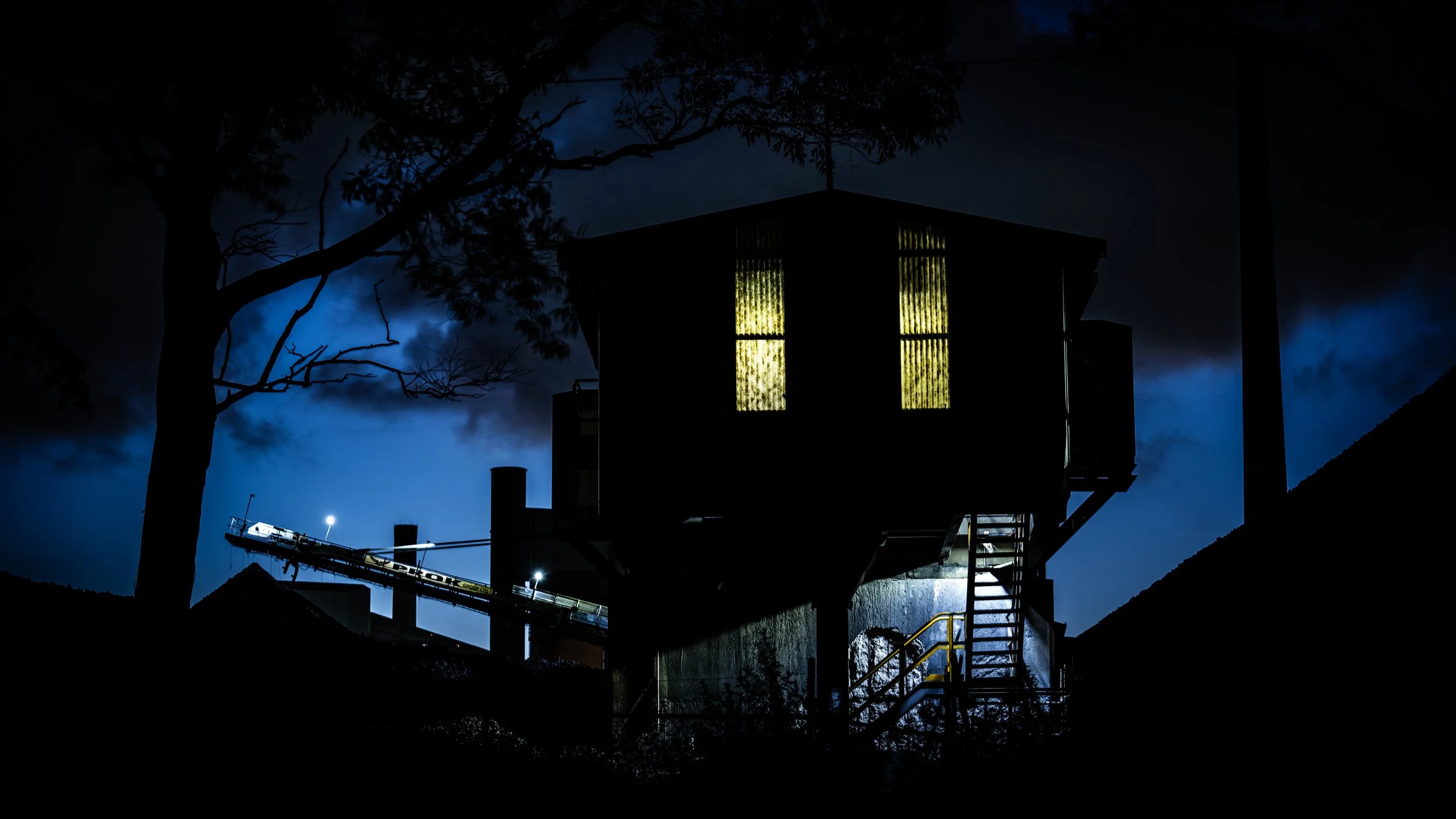
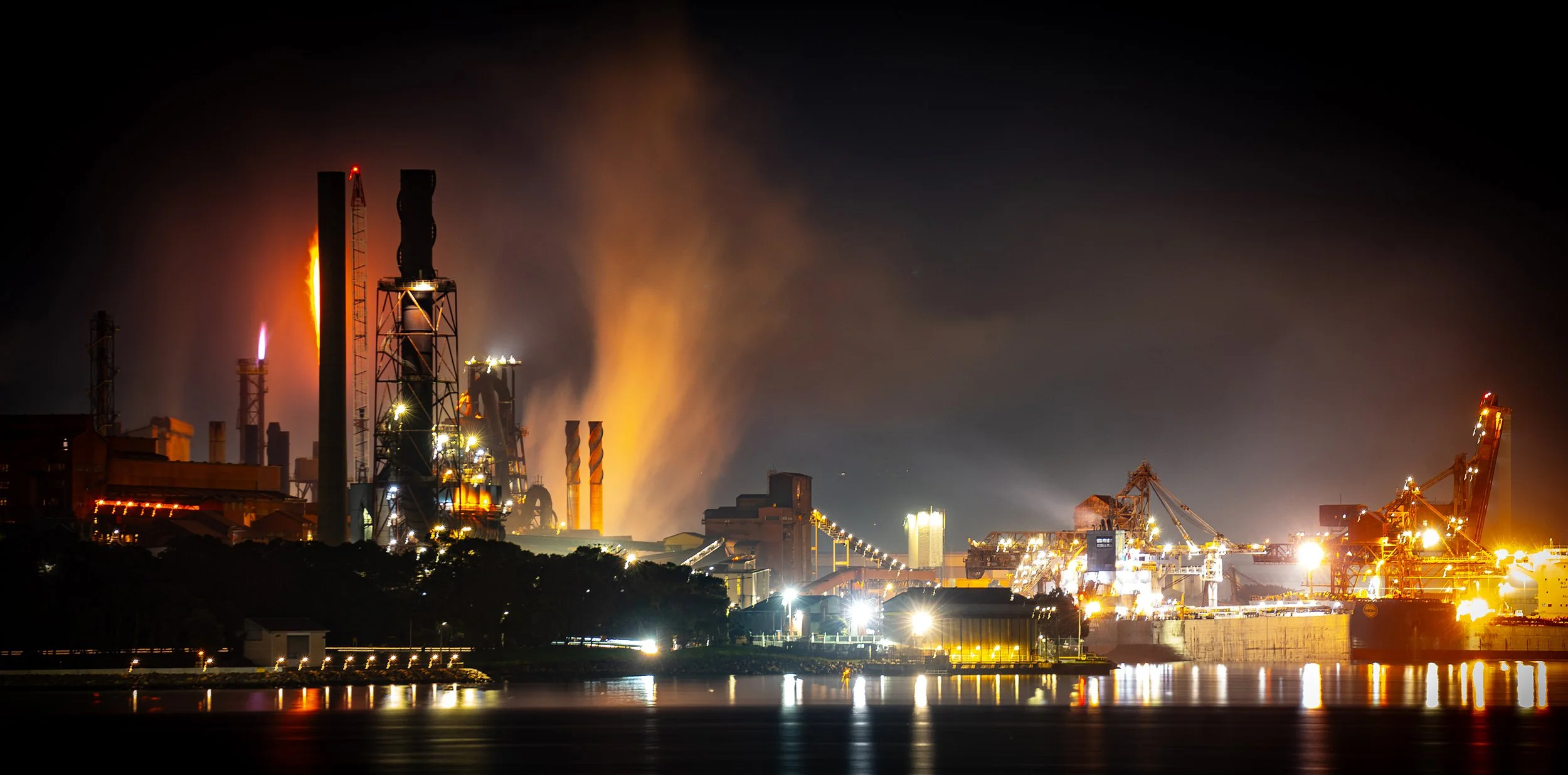
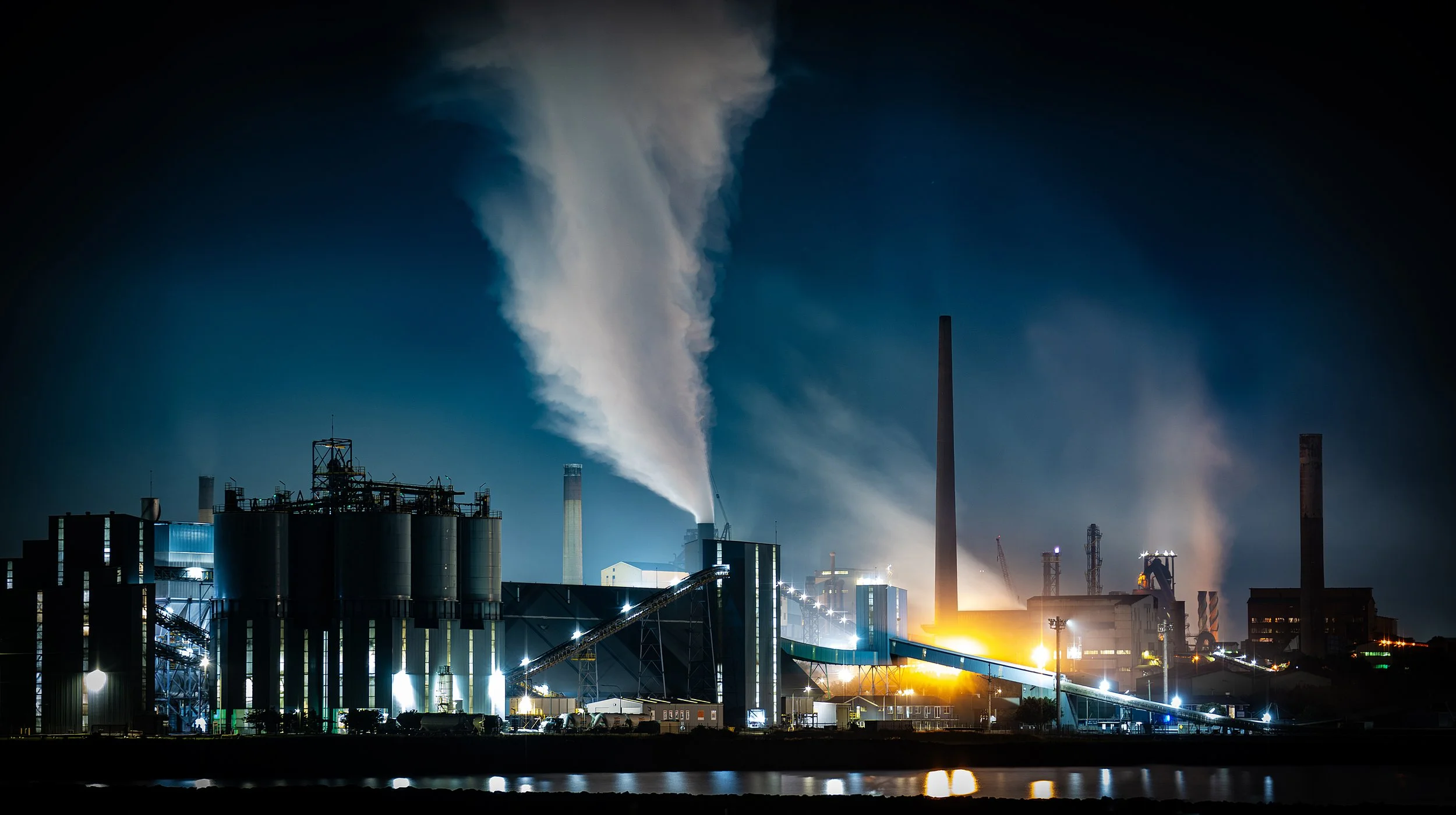
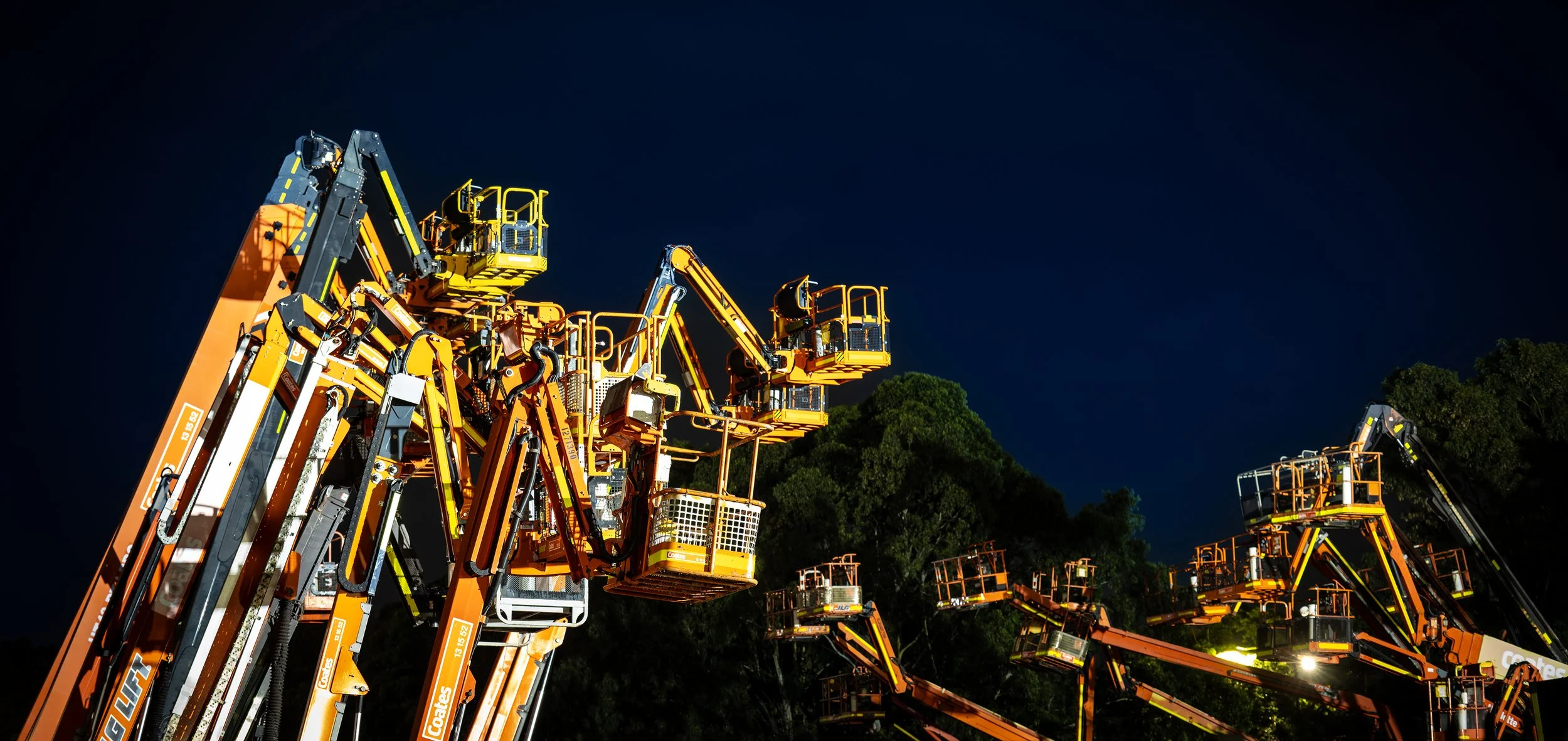
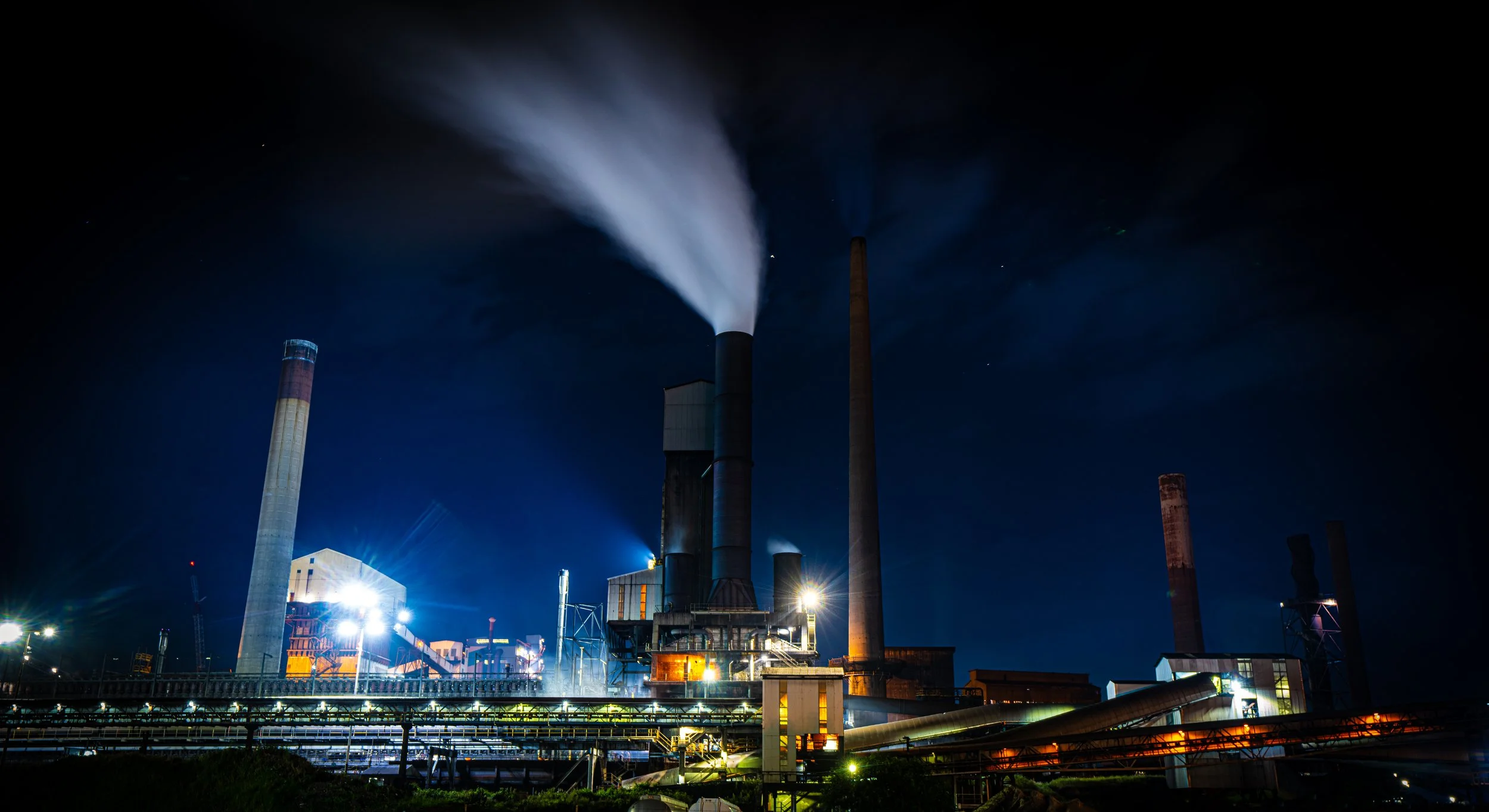
Walking the outskirts of the Port Kembla steelworks late at night, the landscape evokes something mythic. The glowing furnaces, molten metal and drifting smoke recall the dark imagery of Mordor in J. R. R. Tolkien’s Middle-earth, or the fire-forged realms of Greek mythology.
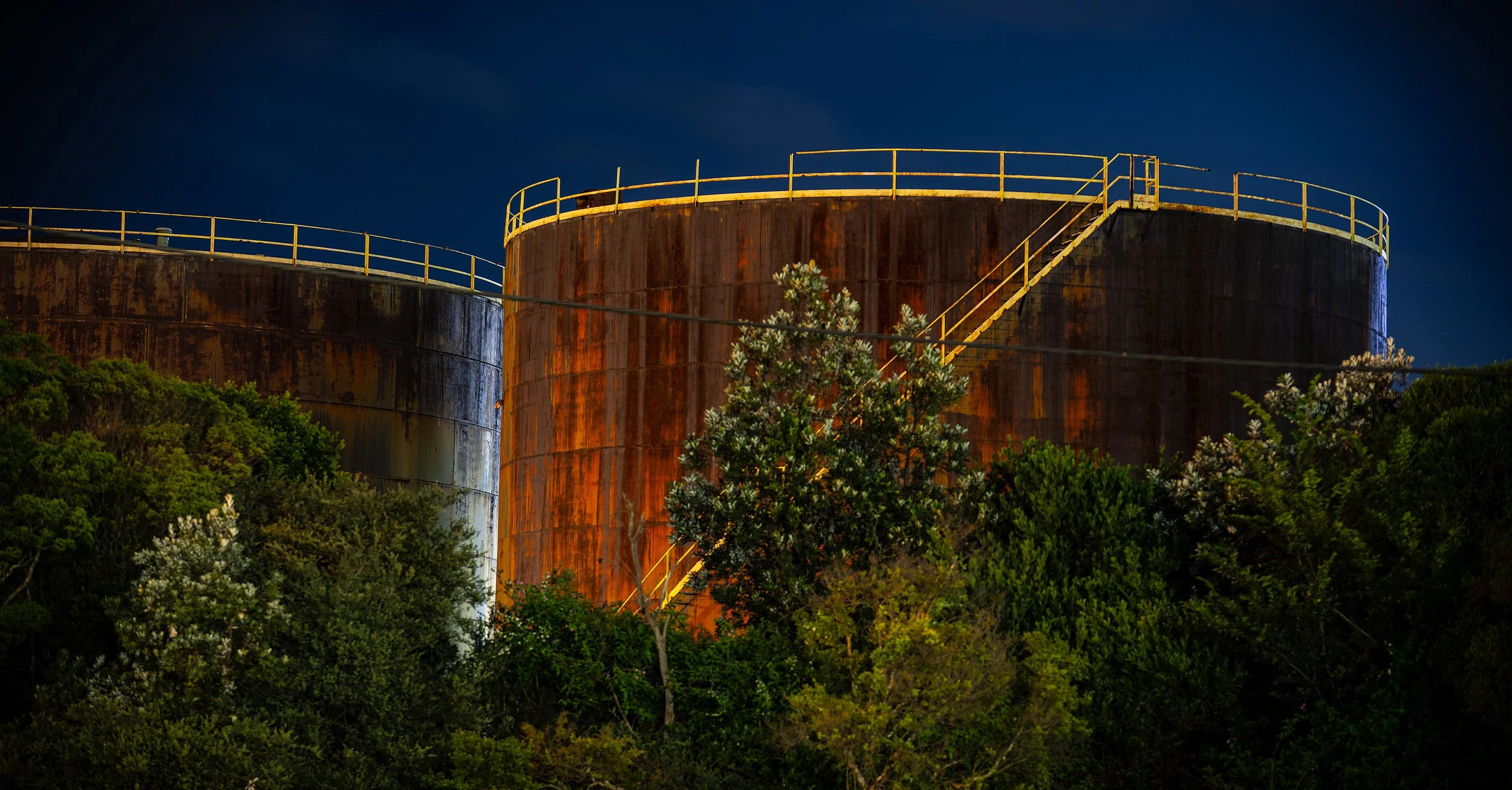
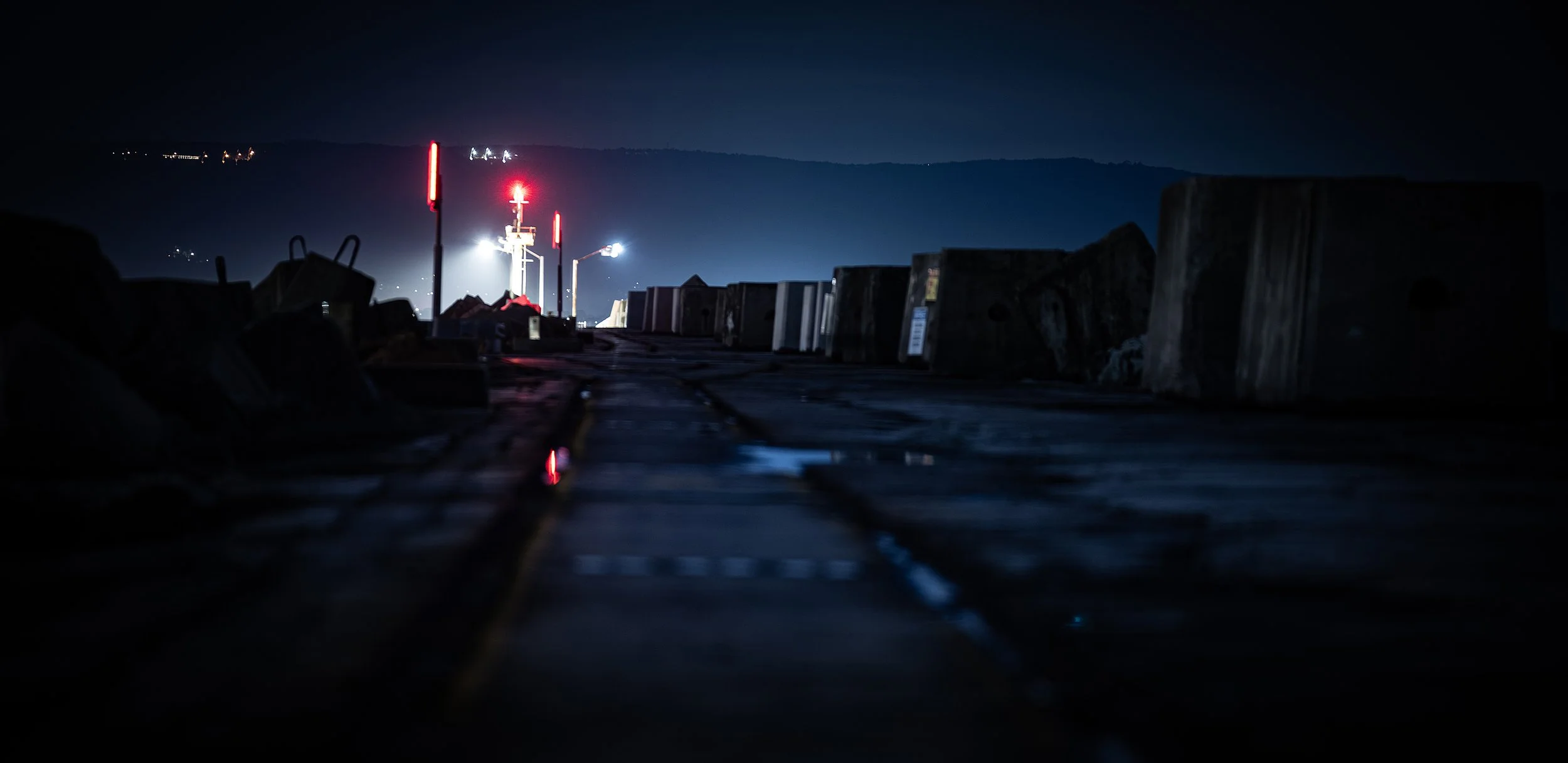
These night images reveal an industrial world of immense and volatile power—dangerous, untamed and requiring constant control—yet ultimately harnessed to serve human needs.