"The Mangrove Guardian: One Man’s Mission to Save His Village from the Rising Sea"
How one self-taught environmentalist from a Solomon Islands coastal village is helping to protect his community from sea level rise and erosion—one mangrove at a time.
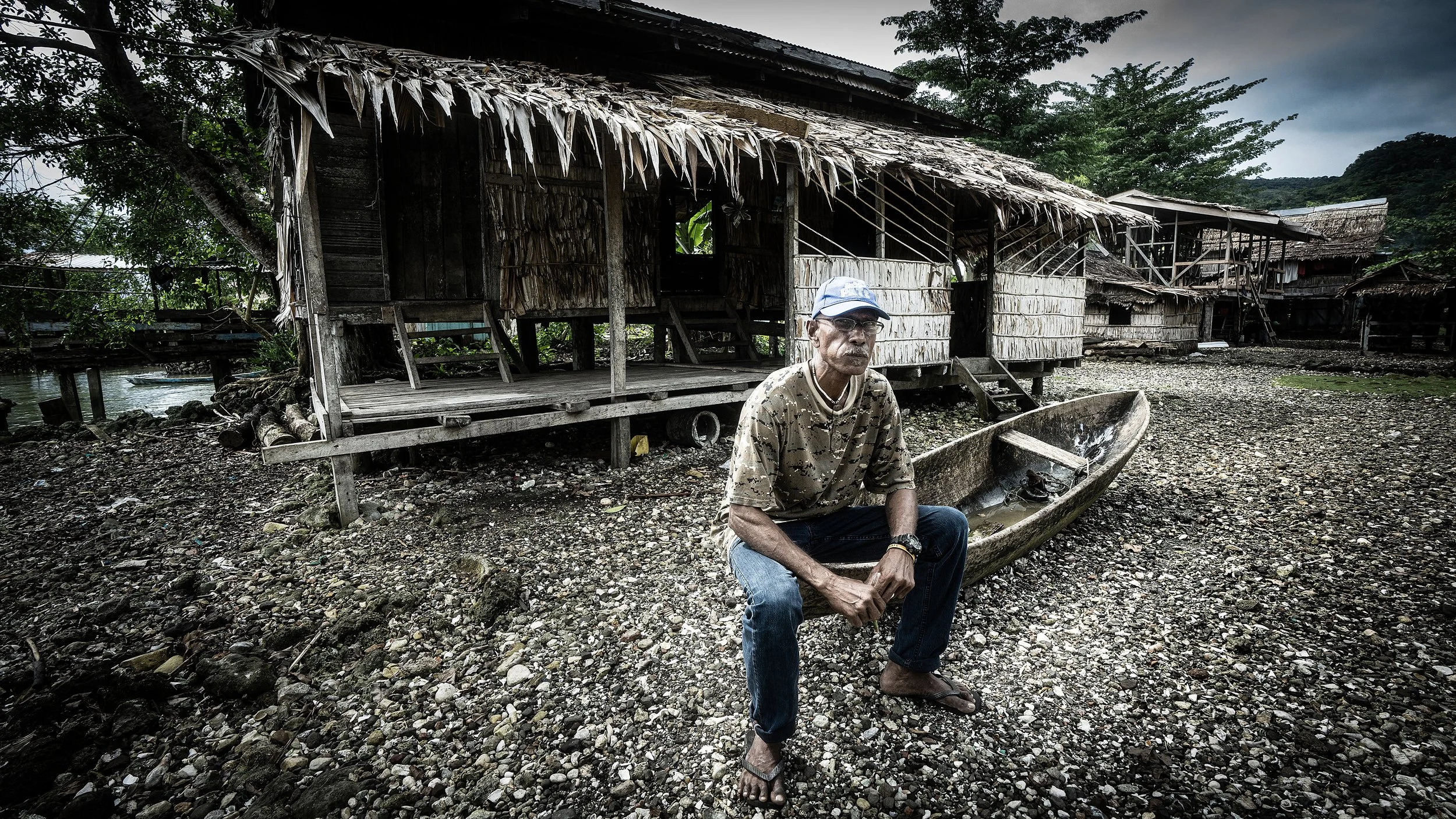
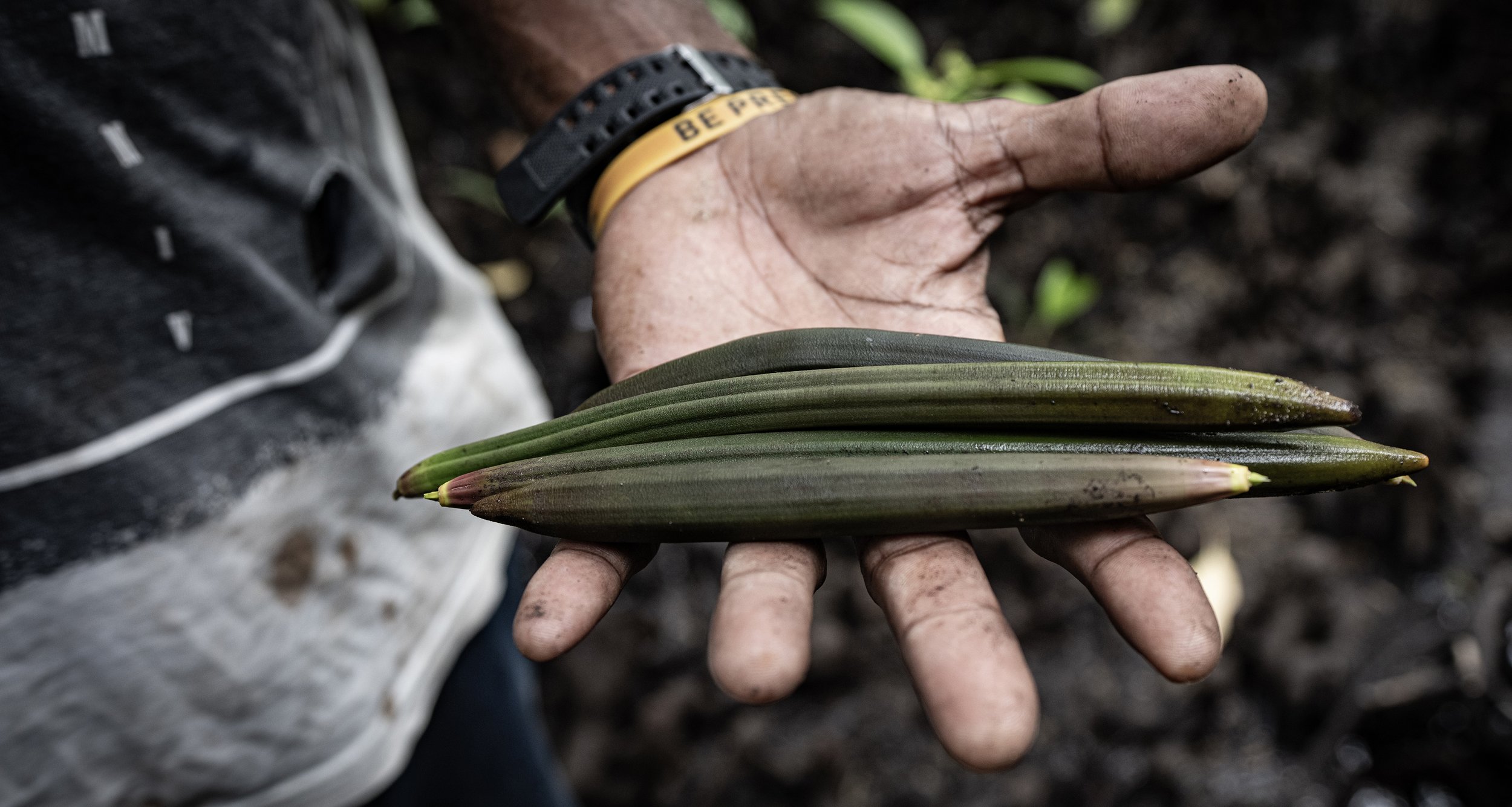
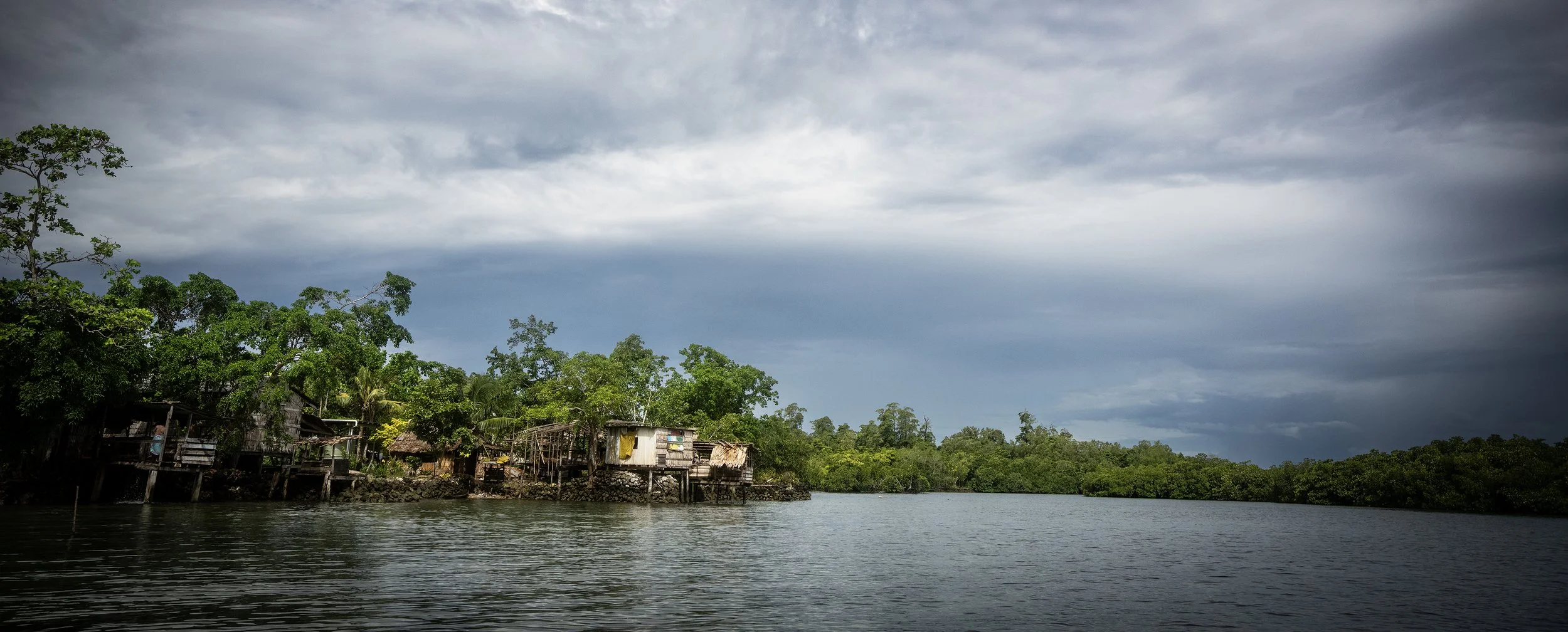
In the quiet morning light of Langalanga Lagoon in the Solomon Islands’ Malaita Province, the receding tide drains the last of the crystal-clear water through a maze of tangled mangrove roots. Dressed in muddy jeans and a worn t-shirt, 59-year-old Ben Waleilia moves carefully through the thick mangrove forest, searching for delicate seedlings. His bare feet sink into the cool mud, toes curling instinctively, like the roots of the trees surrounding him. Rows of young mangrove shoots stand like green sentinels, their leaves trembling in the salt-tinged breeze as Mr Waleilia gently picks up each fragile mangrove seedling and drops it into a small plastic bucket.
The community leader of the coastal village of Oibola and self-taught conservationist, Waleilia is leading a grassroots mangrove replanting initiative to protect his home from the twin threats of rising seas and coastal erosion.
“When my father inherited this land from my grandfather, he cleared many mangrove trees to build a bigger home for his nine children,” Waleilia recalls. “I don’t think he realised the impact it would have. Years later, when I inherited the land, there were fewer fish, and the sea was creeping in.”
He gestures toward a bare stretch of land, now unusable. “My grandfather used to grow vegetables here. Now, when the King Tides come in, it floods with saltwater. Nothing grows anymore—except mangroves.”
What began as a government-funded training workshop on poverty alleviation, mangrove conservation, and climate change sparked something deeper in Waleilia. “After that, I wanted to learn everything I could about mangroves—how they store carbon, support fisheries, protect coral reefs, filter water, and defend our land from waves and erosion. The list just kept growing.”
Mangrove forests naturally regenerate through floating seeds, which settle in suitable coastal mudflats. But human impacts often disrupt this process. Sometimes, nature needs help.
Often perceived as muddy, mosquito-filled swamps, mangroves rarely inspire admiration. Unlike colourful coral reefs or sandy beaches, they’re not tourist attractions. Yet in the Solomon Islands, mangroves are vital. Coastal communitiesdepend on them for fish, timber, and building materials. Their strong, complex root systems protect the shoreline and serve as nurseries for fish and marine life.
Meshach Sukulu, a lead researcher with WorldFish in Malaita’s capital Auki, says restoring mangrove forests is essential. “Communities around Langalanga Lagoon have seen their mangroves vanish over the decades,” he explains. “The area is known for artificial islands built on coral, and these communities rely heavily on marine resources.”
As populations grow and demand for firewood and construction materials increases, the loss of mangroves has accelerated. In response, local communities have turned to a mix of international funding, government support, and NGO partnerships for solutions. One of those partnerships—between the Solomon Islands Ministry of Resources, WorldFish, and the Australian Government-funded Australian Centre for International Agricultural Research (ACIAR) — created the Pathways Project, which, in part, addresses community-based resource management, including replanting and care for mangrove forests.
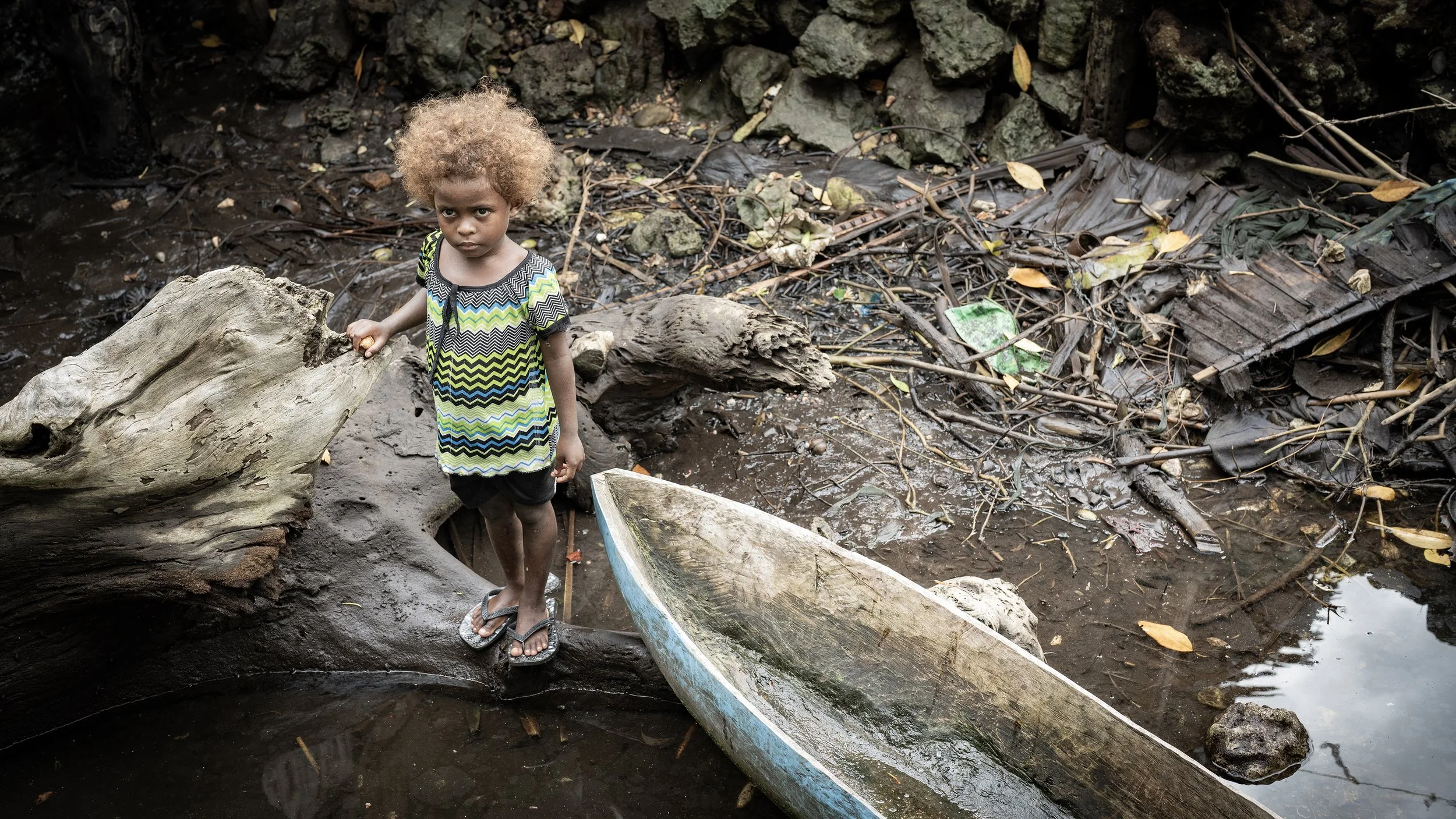
“Replanting mangroves not only helps secure natural resources but also provides long-term protection for communities,” Sukulu says. “Langalanga Lagoon is one of Malaita’s most vulnerable areas. Mangrove planting could be key to shielding entire villages from erosion, wave surges, and rising seas.”
Through the Pathways Project, WorldFish staff collaborate directly with local communities, government agencies, and NGOs to run workshops, research initiatives, and presentations that share knowledge and strengthen capacity.
“The aim was always to improve livelihoods while protecting and restoring ecosystems,” says Sukulu. “Ten years on, small villages like Oibola are still planting—and still learning.”
Back on his small waterfront property, Waleilia proudly shows his latest planting site. “So far, I’ve established a few nurseries and planted over 16,000 mangrove trees of different types,” he says.
To an untrained eye, all mangroves may look alike. But Waleilia, who says his knowledge comes from workshops and self-study, knows otherwise. “When viewed from the sea, you’ll often see stilt-rooted mangroves. But there are many varieties. Some even bear fruit that’s used as traditional food—so they’re a win-win.”
For the people of Oibola—renowned for their shark-worship beliefs, shell money production, and traditional boat-building—the mangrove forests are intricately tied to culture, survival, and identity.
Waleilia is hopeful, not just for his children and grandchildren, but for his village as a whole. However, he says the wider world must act. “We need developed countries to seriously reduce their carbon emissions. I can plant trees, but we need global change too.”
Years ago, when he first noticed the disappearing trees and receding coastline, Waleilia knew he had to act. “I couldn’t just sit back and watch the forest vanish. I had to do something.”
Support from organisations like WorldFish has been invaluable. “They’ve helped us understand community-based fisheries and how to manage our resources better,” he says. “People talk about climate change and rising seas, but for me, it was simple—the mangroves were gone, and the sea had nothing to hold it back.”
Though some have dubbed him an “eco-warrior,” Waleilia shrugs off the title. “I’m not interested in labels. I just want my village to stay where it is, for us to keep fishing and living on our land.”
Not everyone in his community shares his passion—some still cut mangroves for firewood out of necessity. “I get it,” he says. “People are trying to survive. But I still have hope for the younger generation.”
He believes that with more stories, more support, and more collaboration, change is possible. “I’m not the problem,” he says. “I’m part of the solution.”