Solomon Islands Communities Lead the Way in Coastal Fisheries Management.
How grassroots sustainable management support is helping local fishermen in Malaita, Solomon Islands, preserve their fishing grounds.
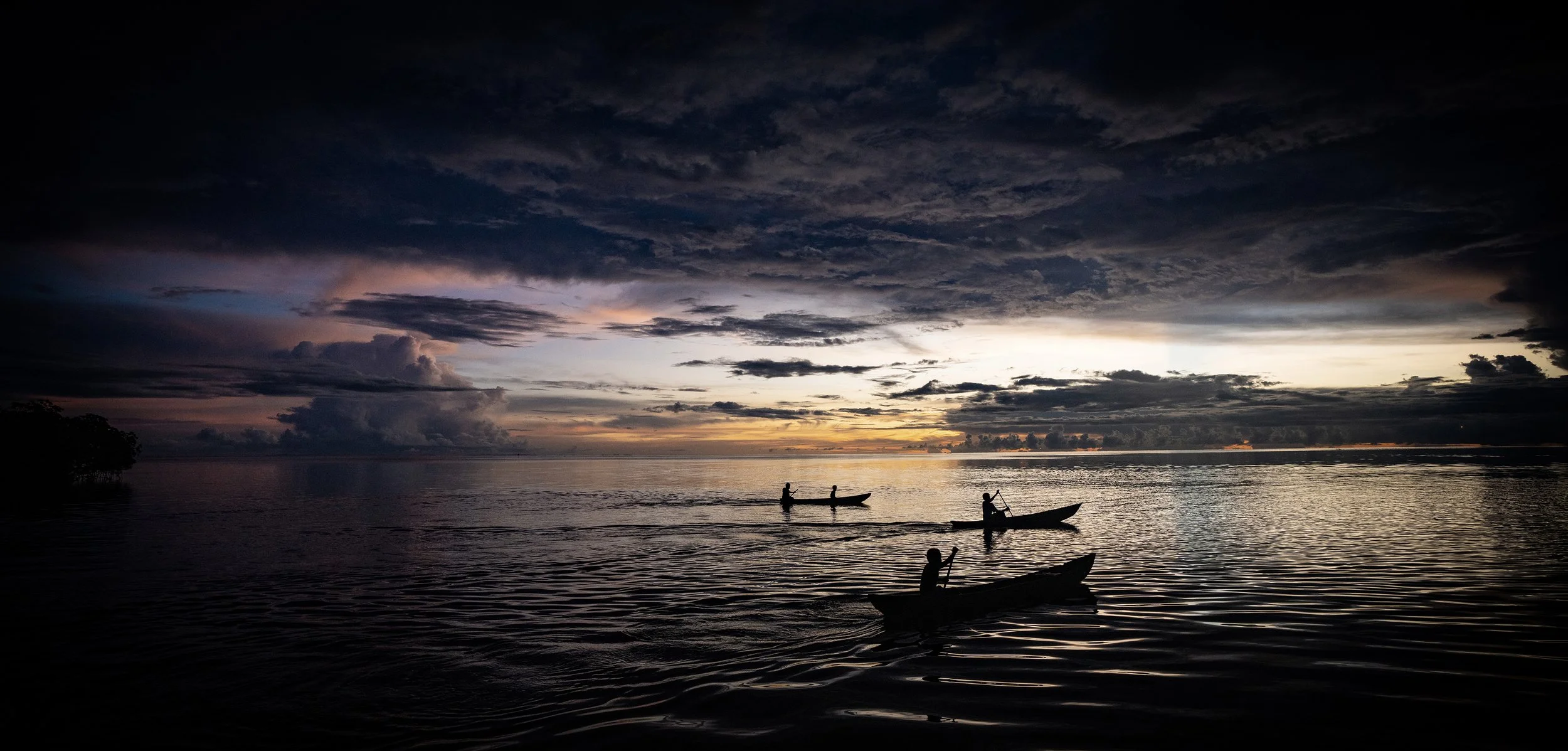
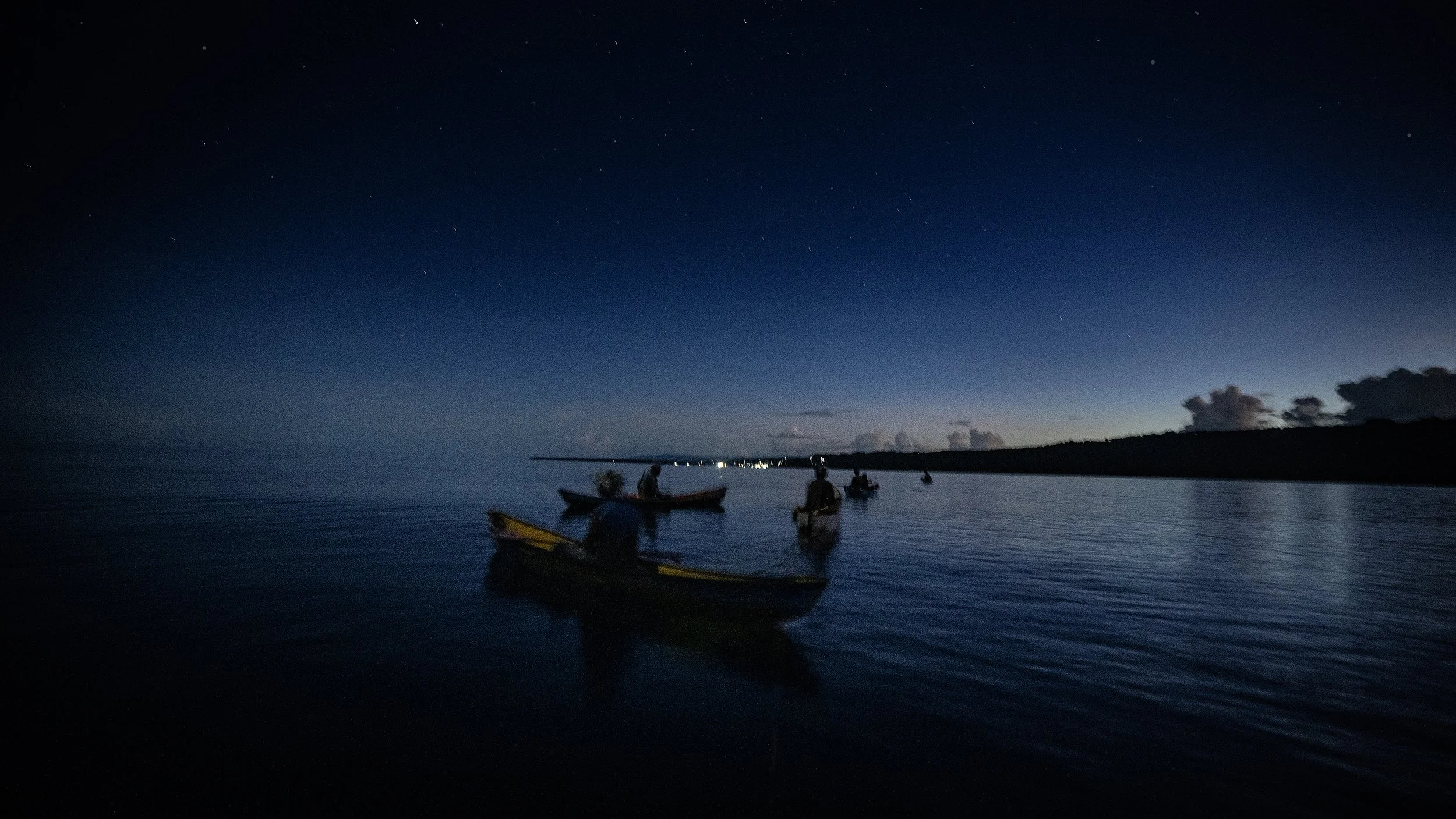
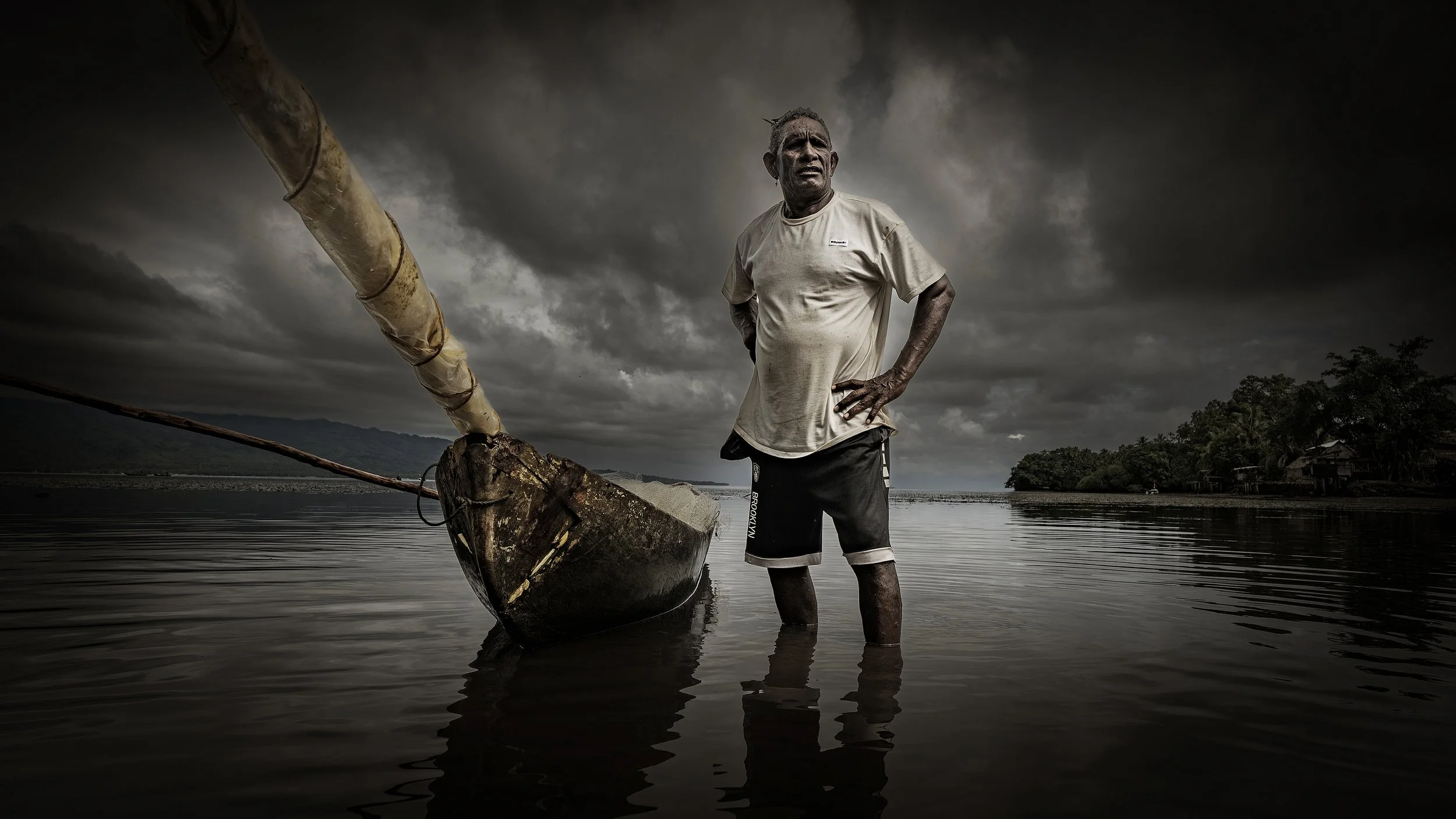
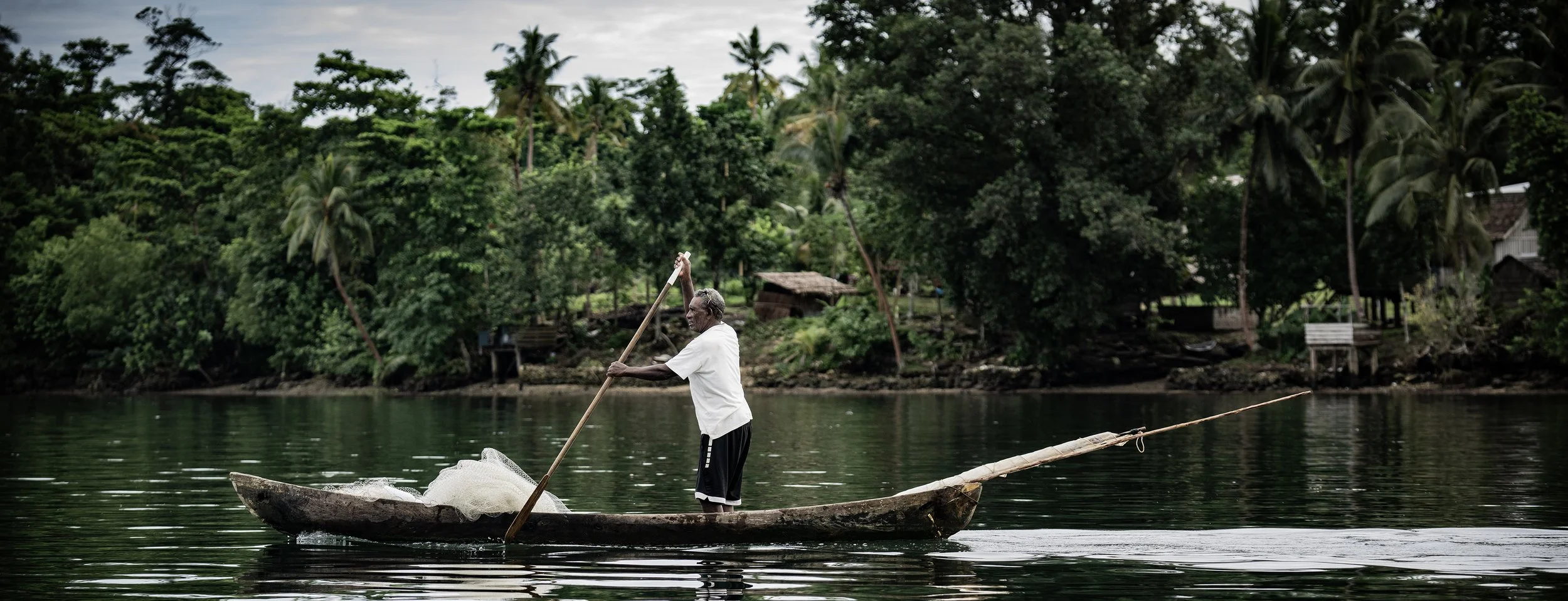
At 4:00 AM, under a three-quarter moon in the small fishing village of Oibola, Joachim Wale’oi, 45, prepares his handmade dugout canoe. He loads it with a fishing hand reel, some leftover fish from the previous day, and a container of water.
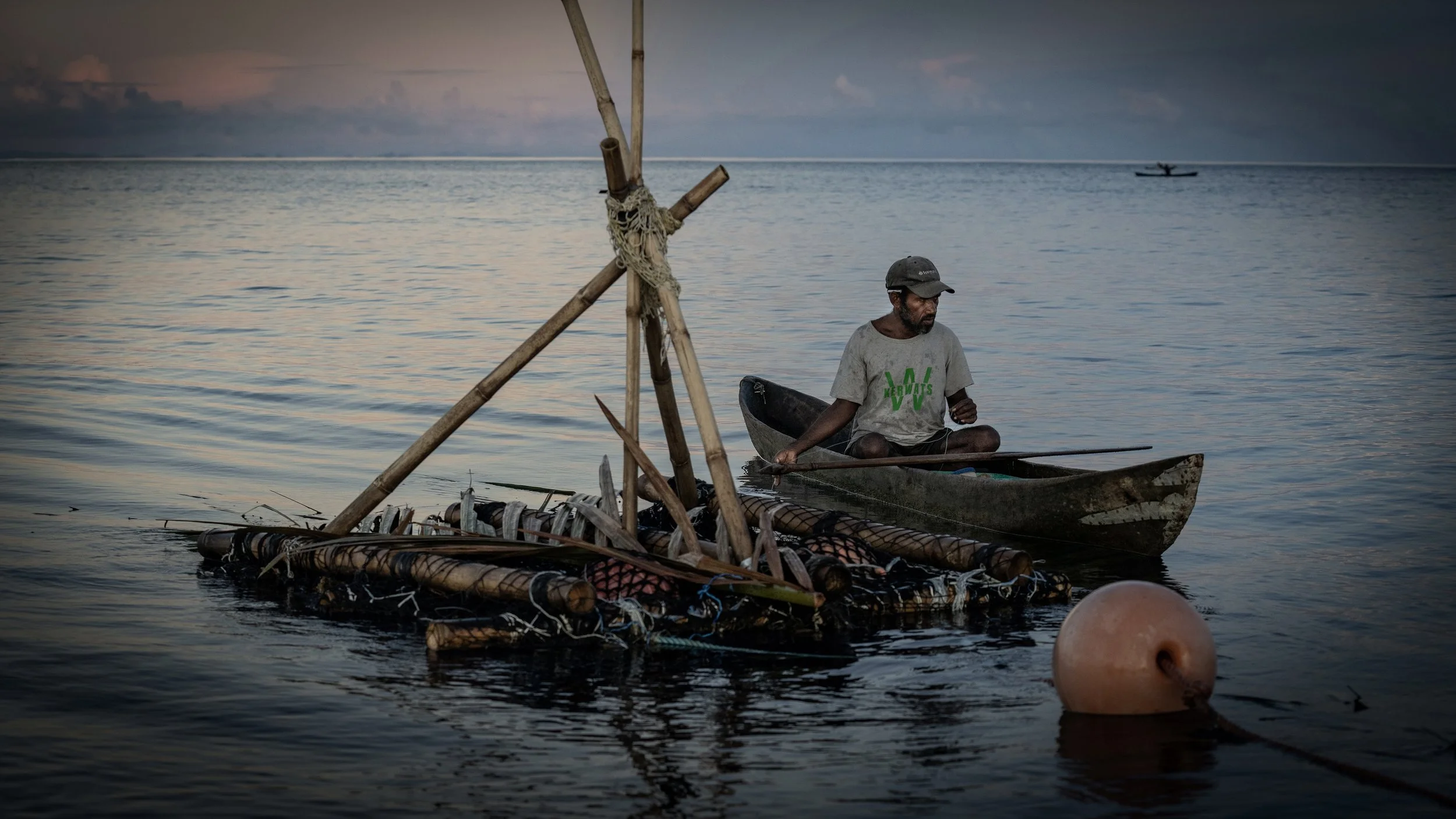
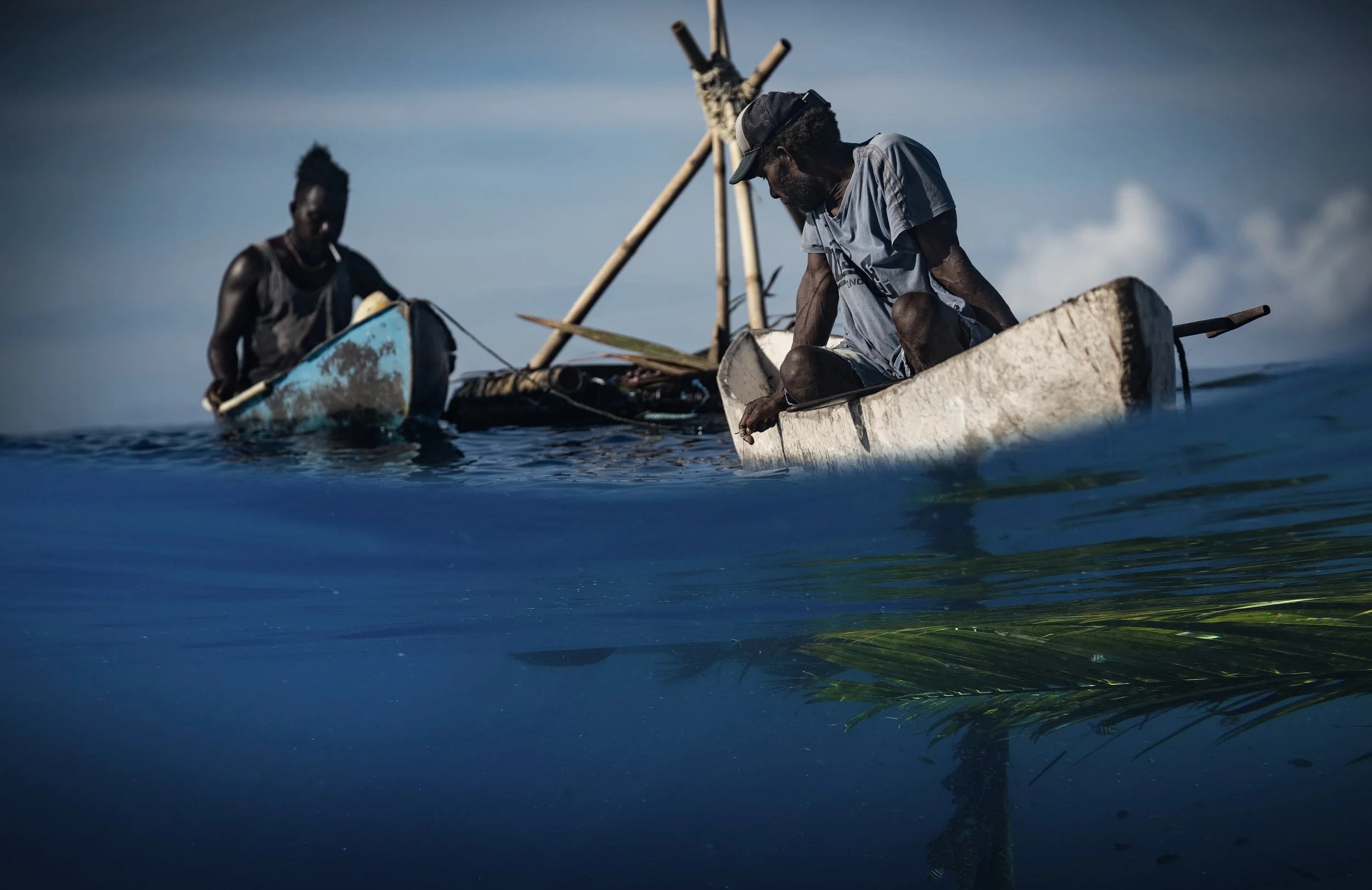
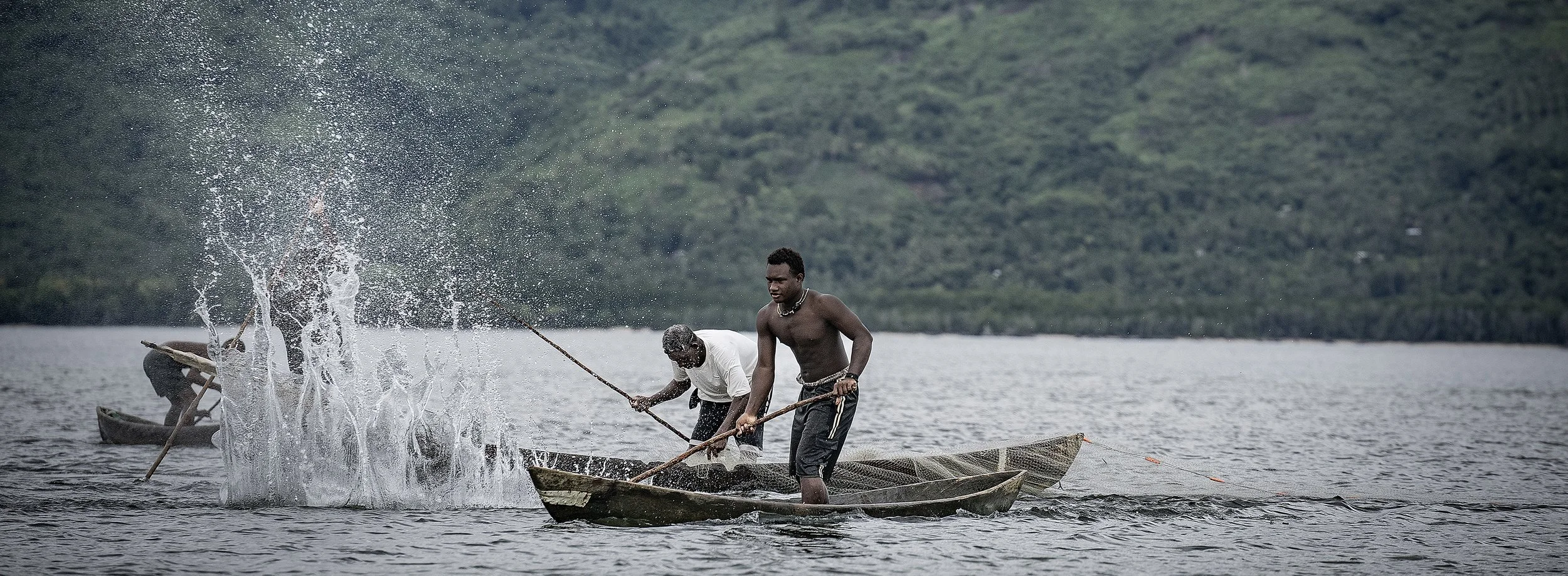
He slips his canoe into the dark waters of the LangaLanga Lagoon and paddles out to sea, joining a fleet of other canoes. With no lights or navigation devices, the fishermen navigate a one-kilometre journey, dodging exposed reefs and negotiating strong ocean currents. Their destination is a Fish Aggregating Device (FAD), a two-by-two-metre bamboo platform anchored offshore.
At the FAD, around 18 canoes gather as fishermen prepare their lines. Amid the darkness, the occasional flicker of a match lights up a cigarette, and the air is filled with the sounds of banter and laughter, just like any other workplace.
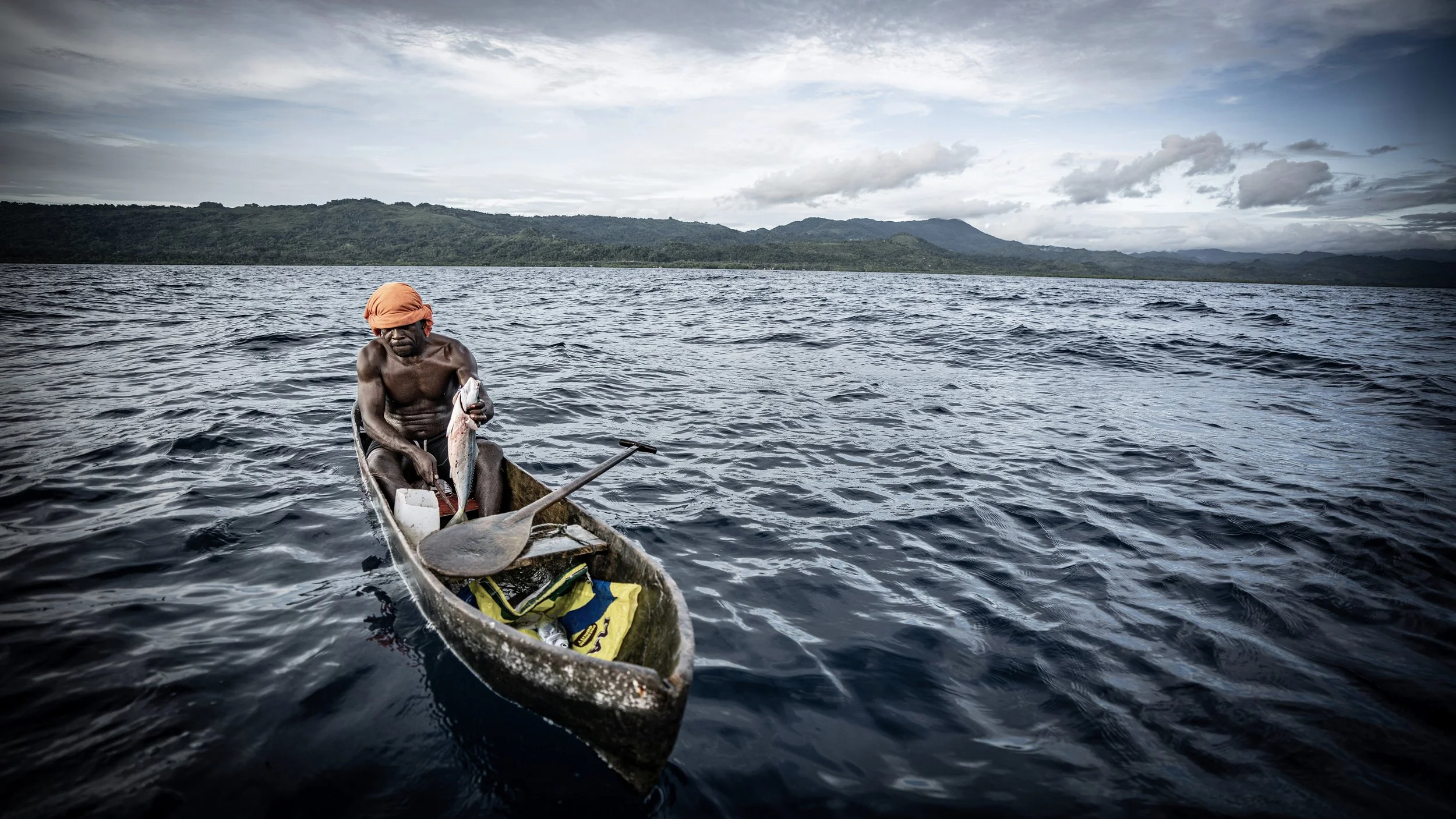
As the first light creeps behind Mount Alasa’a, Malaita’s highest peak, the fishermen begin their day. Some stay close to the FAD, jigging their lines to attract fish. Others paddle out, trailing their lines in zigzag patterns, hoping to catch passing bonito or skipjack. As dawn breaks, the scene resembles a chaotic Ironman race more than a fishing expedition.
For Joachim Wale’oi—a fisherman, canoe builder, artist, and self-described jack-of-all-trades—it’s just another day. “We have no other choice. This is what we must do. My family relies on me to bring home fish for food. What’s left, my wife sells to other villagers.”
Fishing is a cornerstone of life in coastal communities of the Solomon Islands, essential to both livelihood and food security. But overfishing, climate change, and increasing population pressures have begun to threaten this way of life. Many villages, including those in Malaita, are seeing troubling declines in fish numbers.
According to Meshach Sukulu, lead researcher at WorldFish in Auki, the LangaLanga Lagoon and other areas of Malaita are no longer as abundant in fish as they once were.
“There’s a growing ‘food gap.’ Demand for local food is outpacing supply. This is especially concerning for fisheries-based communities like Oibola,” says Mr Sukulu.
WorldFish, a non-profit organisation, works with communities across the Solomon Islands to promote self-sustaining, Community-Based Resource Management (CBRM). These programs empower coastal communities to manage their marine resources using traditional laws, training, and local know-how skills.
“CBRM is about communities taking ownership of their fisheries. They manage them in ways that suit their own tribal rules and customs,” explains Mr Sukulu.
The CBRM initiative in the Solomon Islands has been running for decades. In the last decade it has made further advances with support from the Australian Government’s Australian Centre for International Agricultural Research (ACIAR), in collaboration with the University of Wollongong and the Solomon Islands Government Ministry of Fisheries.
“Overfishing and destructive practices like dynamiting have severely damaged Malaita’s reefs,” says Mr Sukulu. “Combined that with rising sea temperatures, sea level rise, and unpredictable weather, and fishing has become much harder than it was even a year ago.”
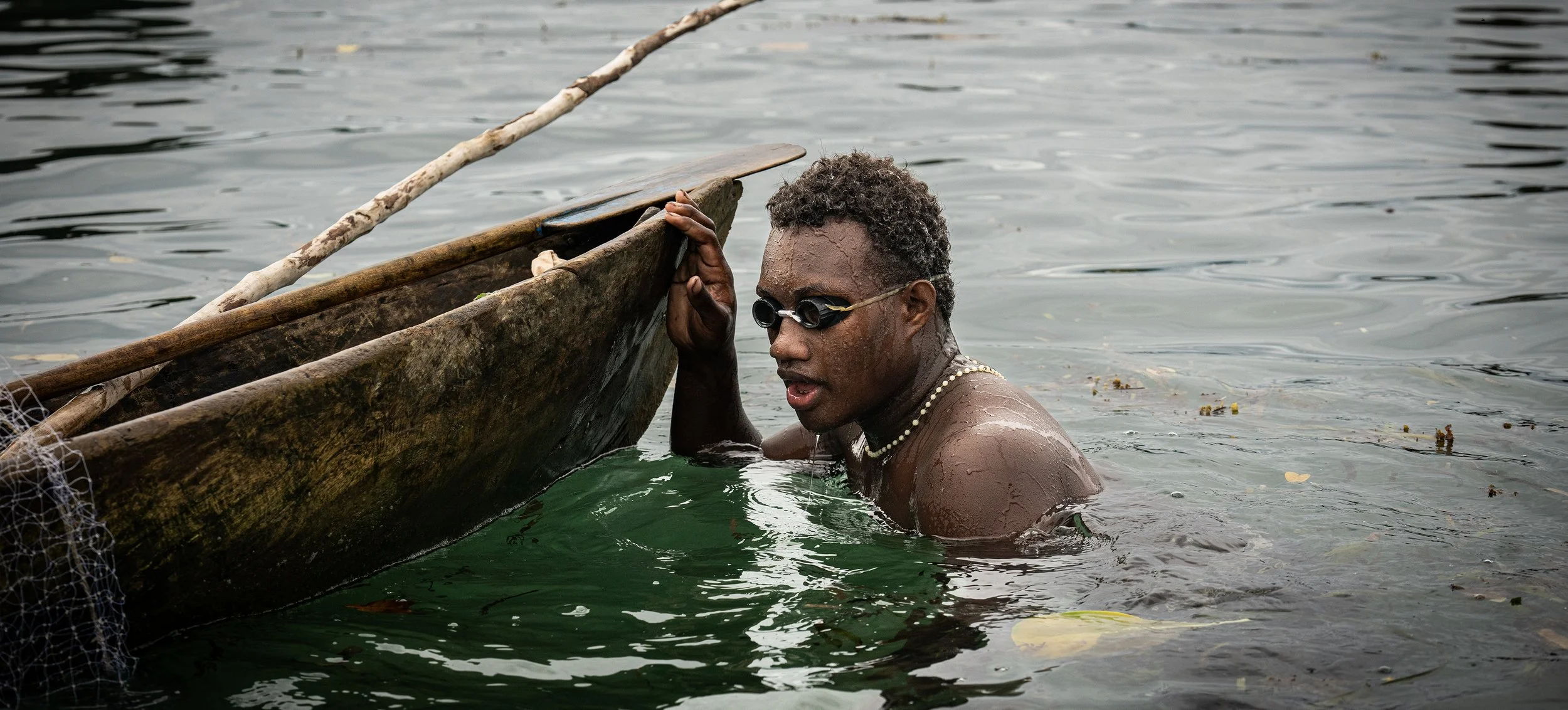
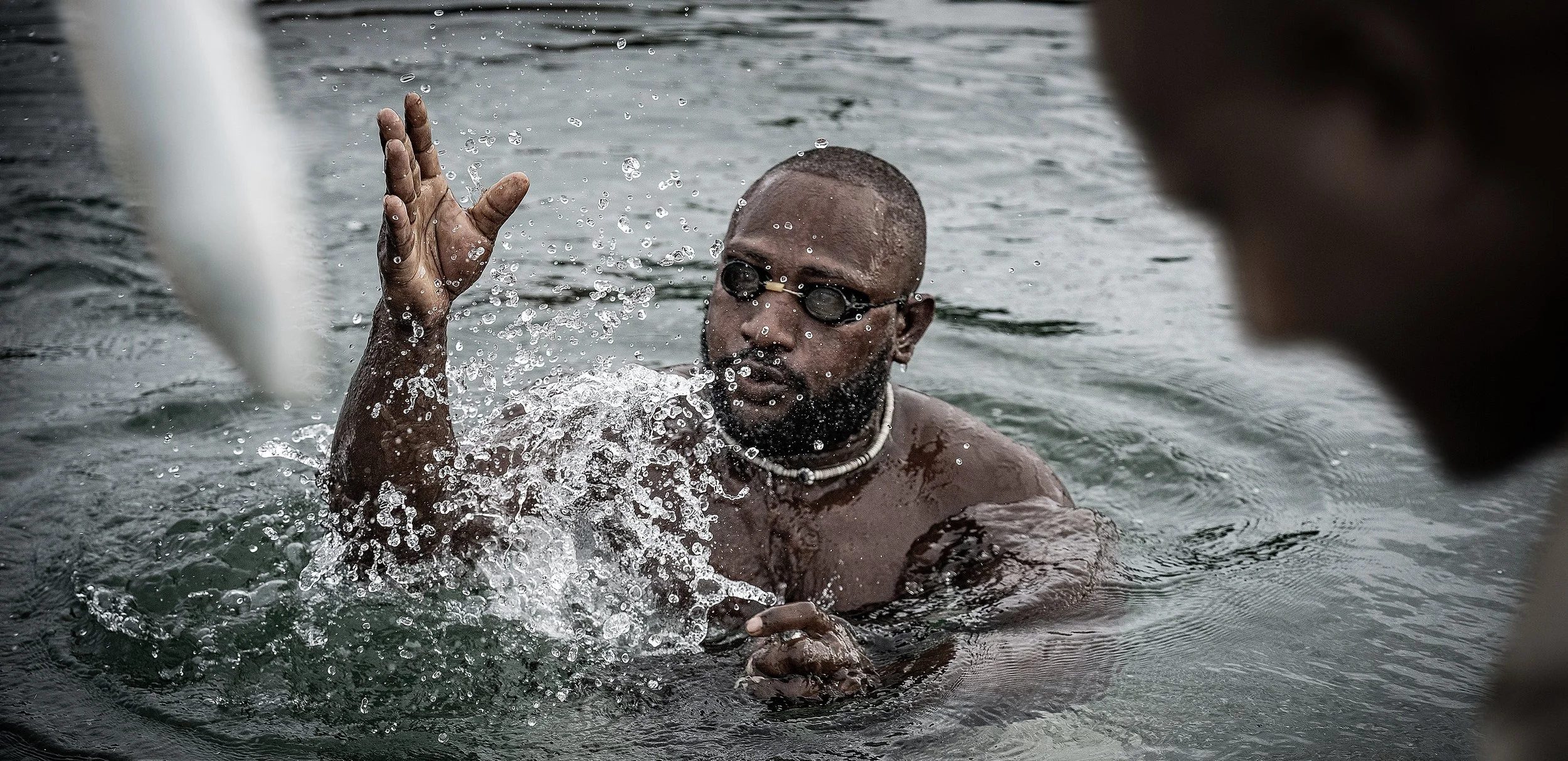
Roughly 90 nautical kilometres north, in Suava Bay, another group of fishermen from Adaitolo village gathers before sunrise. Led by community elder David Amagela, 65, they steer their handmade canoes toward ripples on the water. Two canoes cast a large circular net, while others slap the water with sticks, driving fish into the net. Divers jump in, grabbing the fish trapped inside.
“It’s a good start to the day,” says Mr Amagela. “We have to take sustainable fishing seriously. Our main food source is at risk of collapse.”
With mounting challenges, both Oibola and Adaitolo villagers are calling for continued support from CBFM partners.
“CBFM has shown real success in improving rural fisheries,” says Mr Sukulu. “It gives communities the tools to decide how to use and protect their natural resources.”
Associate Professor Dirk Steenbergen from the Australian National Centre for Ocean Resources and Security (ANCORS), based at the University of Wollongong, says that CBRM is showing results across the Pacific, not just in the Solomons but in Kiribati, Vanuatu, and beyond.
“Monitoring what species are caught, how many, and where, helps communities manage fish stocks,” he explains. “For many rural islanders, fish are their primary source of food and income. That makes sustainability a top development priority.”
Because more than 90% of inshore marine areas in the Solomon Islands fall under customary marine tenure—where tribal or clan-based groups hold traditional rights to marine resources—Community-Based Resource Management (CBRM) is tailored to reflect the unique needs and values of each community.
“CBRM recognises there’s no one-size-fits-all solution,” says Grace Orirana, Office Manager and Senior Research Analyst at WorldFish in Honiara. “Each village develops its own management plan, deciding who can fish where, how much can be caught, and how to enforce the rules.”
The Solomon Islands Ministry of Fisheries, in partnership with non-government organisations like WorldFish, plays a critical role in supporting and guiding these locally led initiatives. “What we’re seeing now is a rise in community leadership,” Grace explains. “The best managers of marine resources, village to village, are the communities themselves. They are not only addressing resource depletion but also building climate resilience and setting future directions for their people. We still have a way to go, but the seeds of change are definitely starting to grow.”
According to the young analyst, national and international partnerships are essential for the long-term success of CBRM. “It’s a collaborative process, where communities and stakeholders work with each other. By combining local knowledge with scientific expertise and external support, communities are better equipped to sustainably manage their resources and meet both environmental and livelihood goals.”
Back at the ANCOR office, Associate Professor Steenbergen gestures to a map of the South Pacific. “We recognise that partnerships in CBRM are vital to empowering those Indigenous communities to manage their own marine resources. But more than that, this is about enabling genuine participation in decision-making and fostering long-term well-being across international communities.”It all begins with an idea. Maybe you want to launch a business. Maybe you want to turn a hobby into something more. Or maybe you have a creative project to share with the world. Whatever it is, the way you tell your story online can make all the difference.