The Future is Fish: Improving Nutrition and Empowering Women in the Solomon Islands.
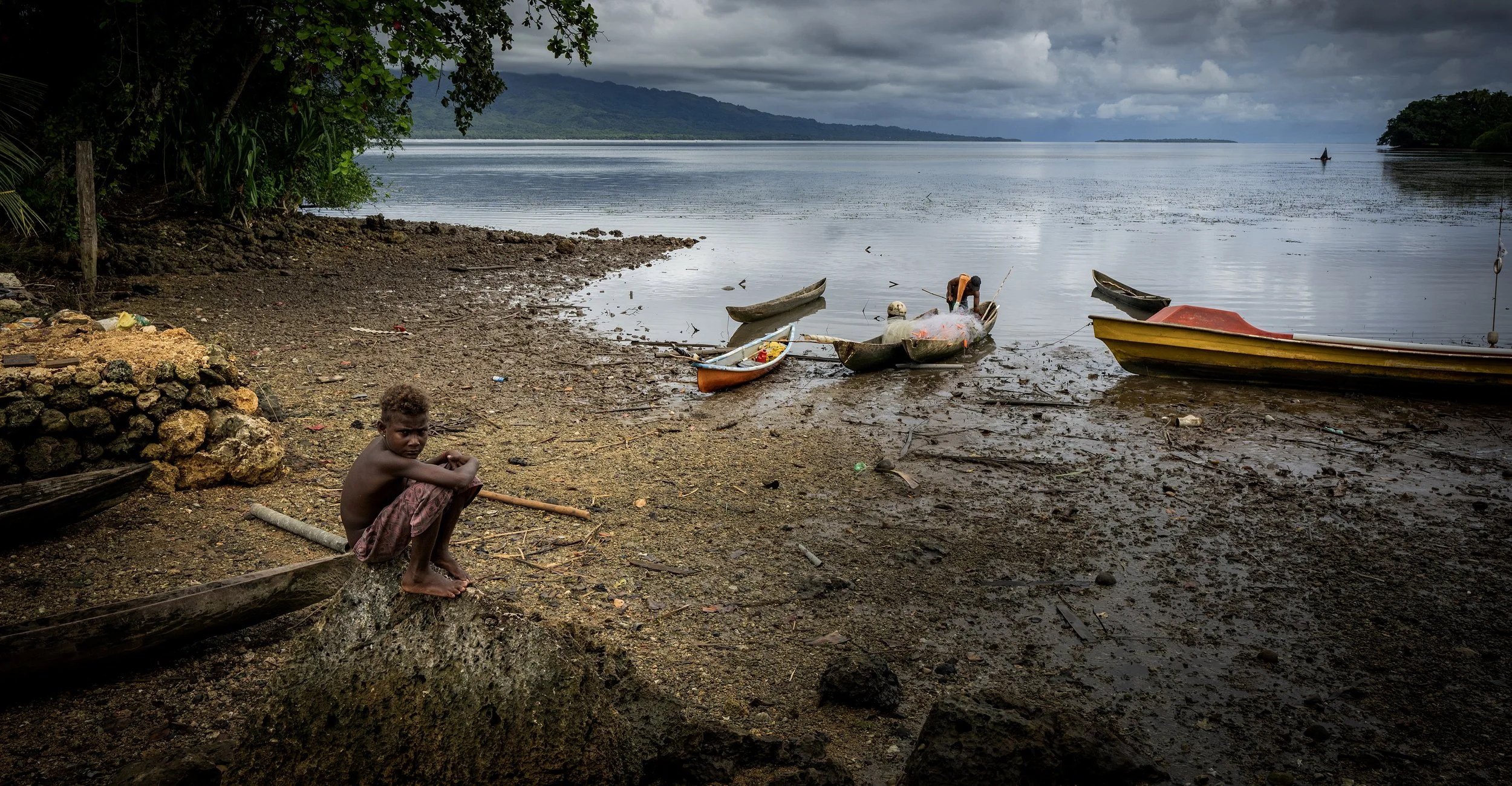
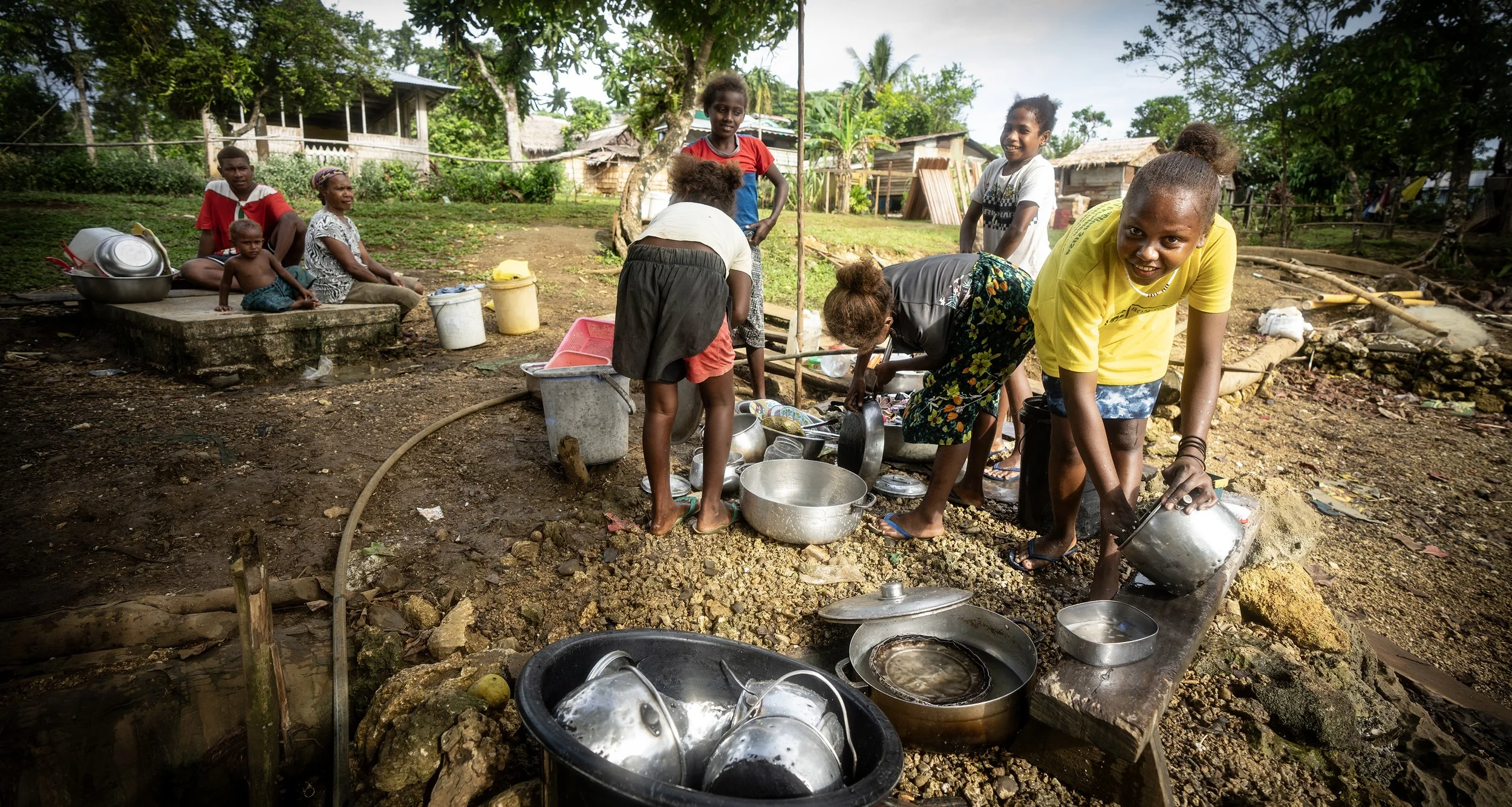
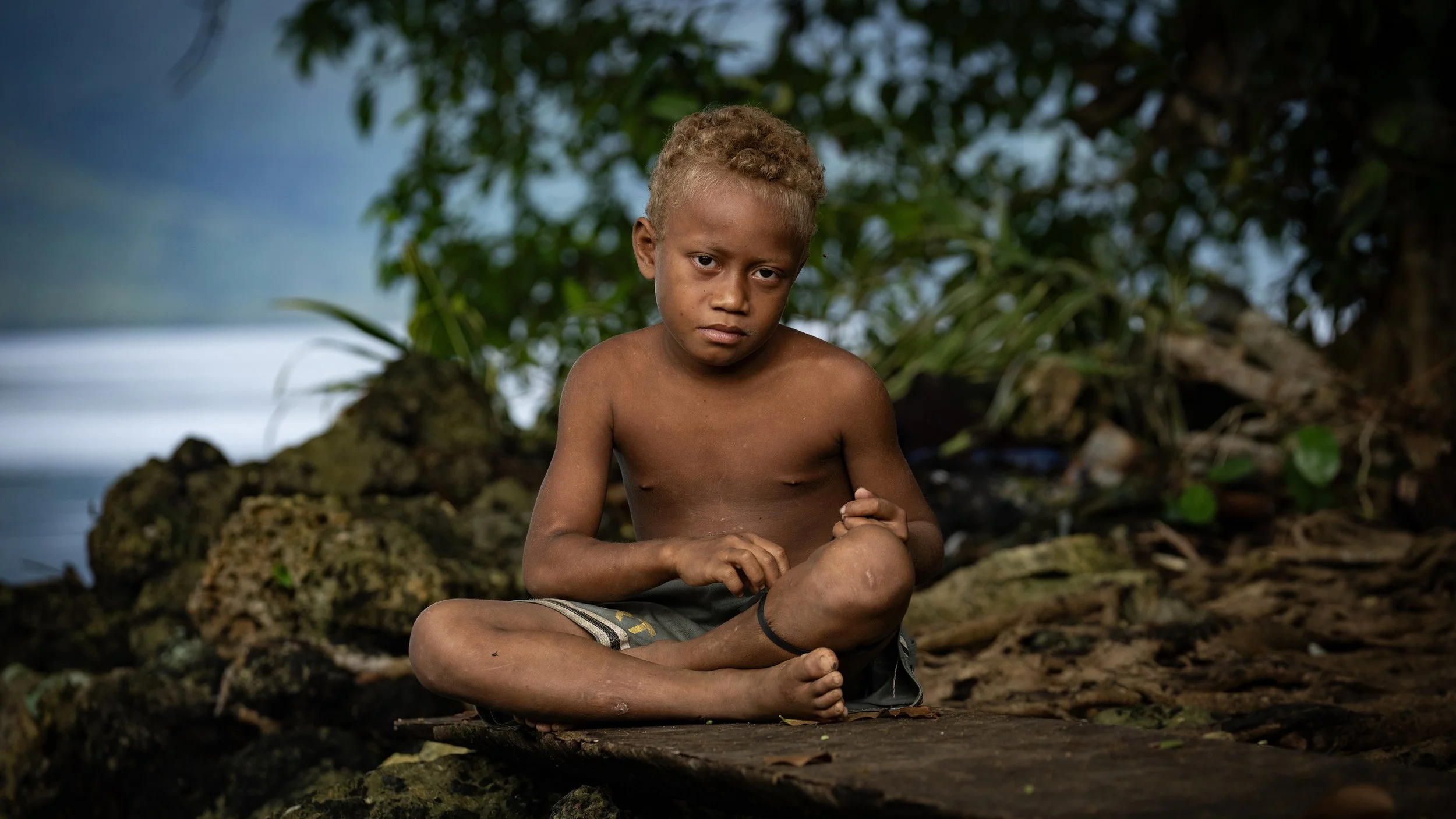
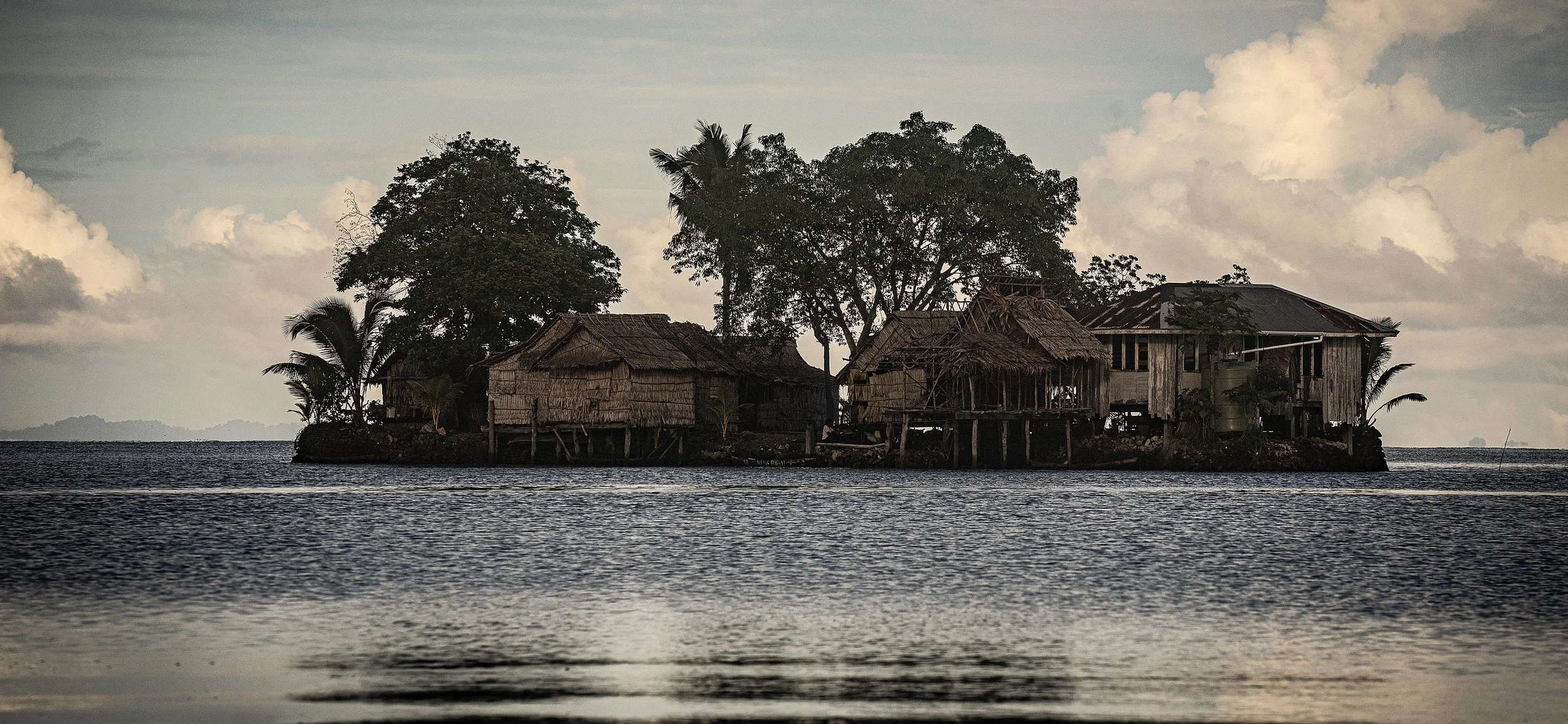
On the island paradise of Malaita, West Province, Solomon Islands, it’s hard to imagine high rates of malnutrition. However, according to Dr Jillian Tutuo, Senior Nutrition Researcher at WorldFish in Honiara, behind the postcard-perfect scenes of coconut palms and pristine beaches, thousands of people are at risk of poor diets that can lead to serious health issues.
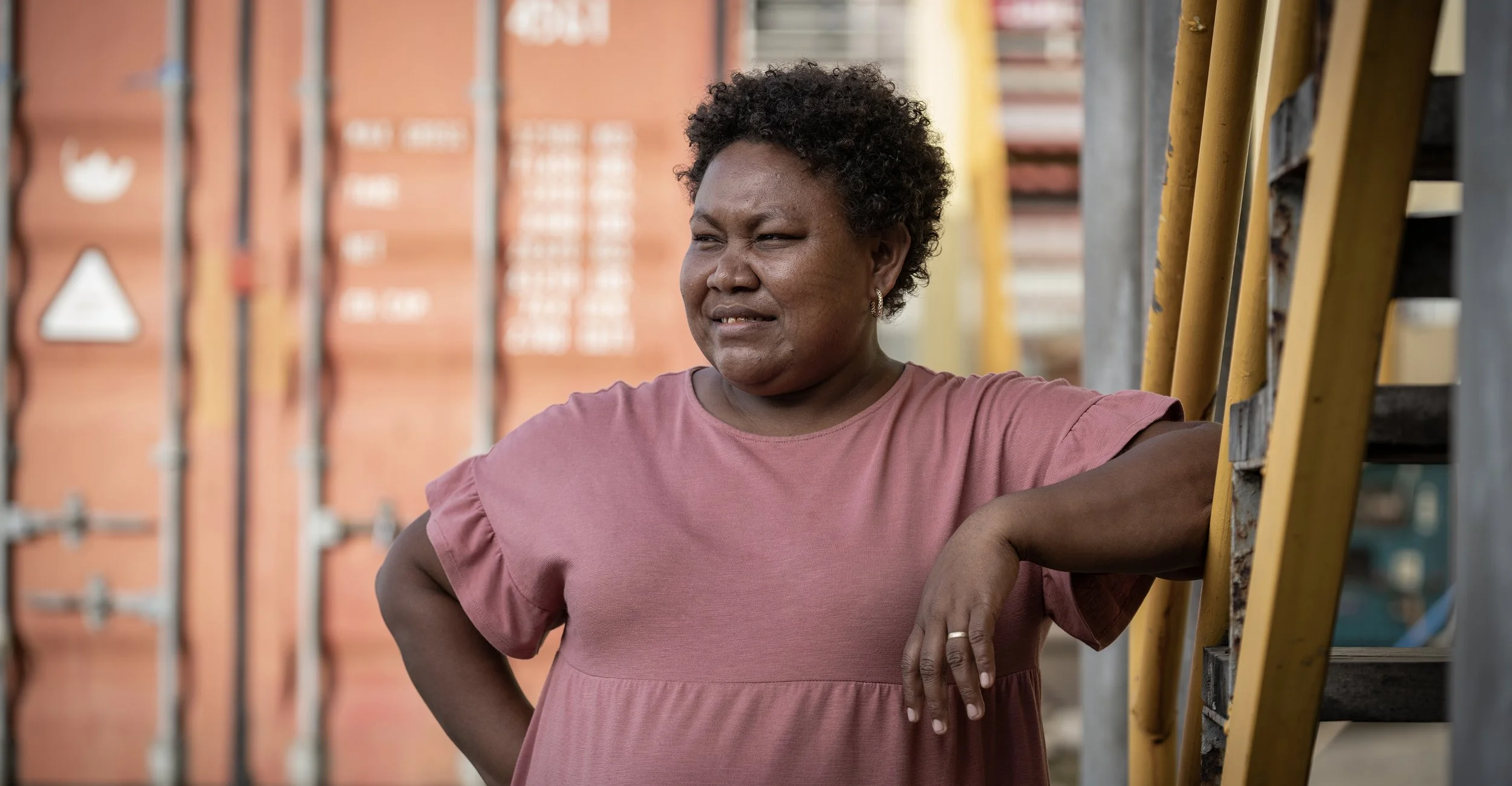
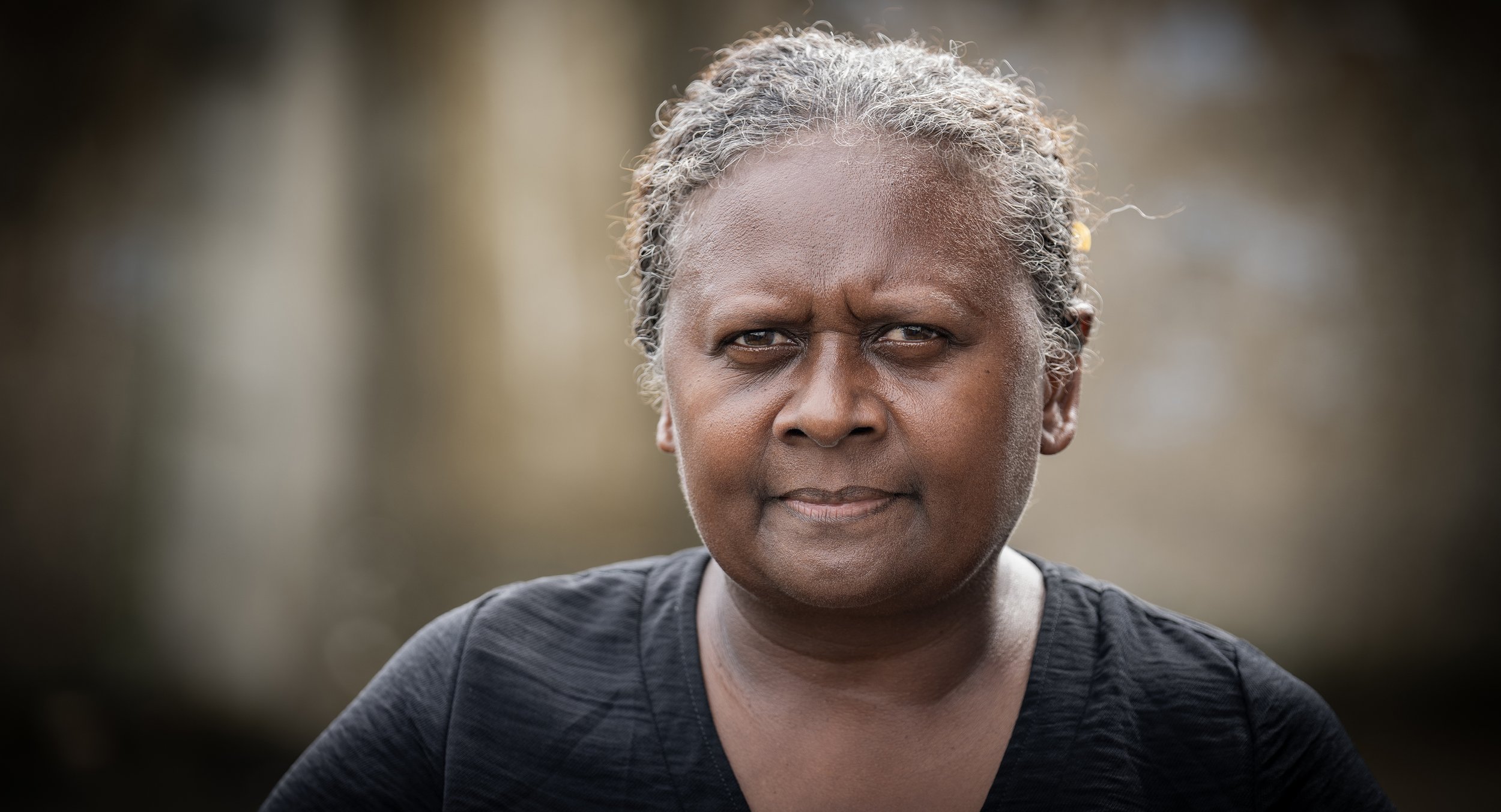
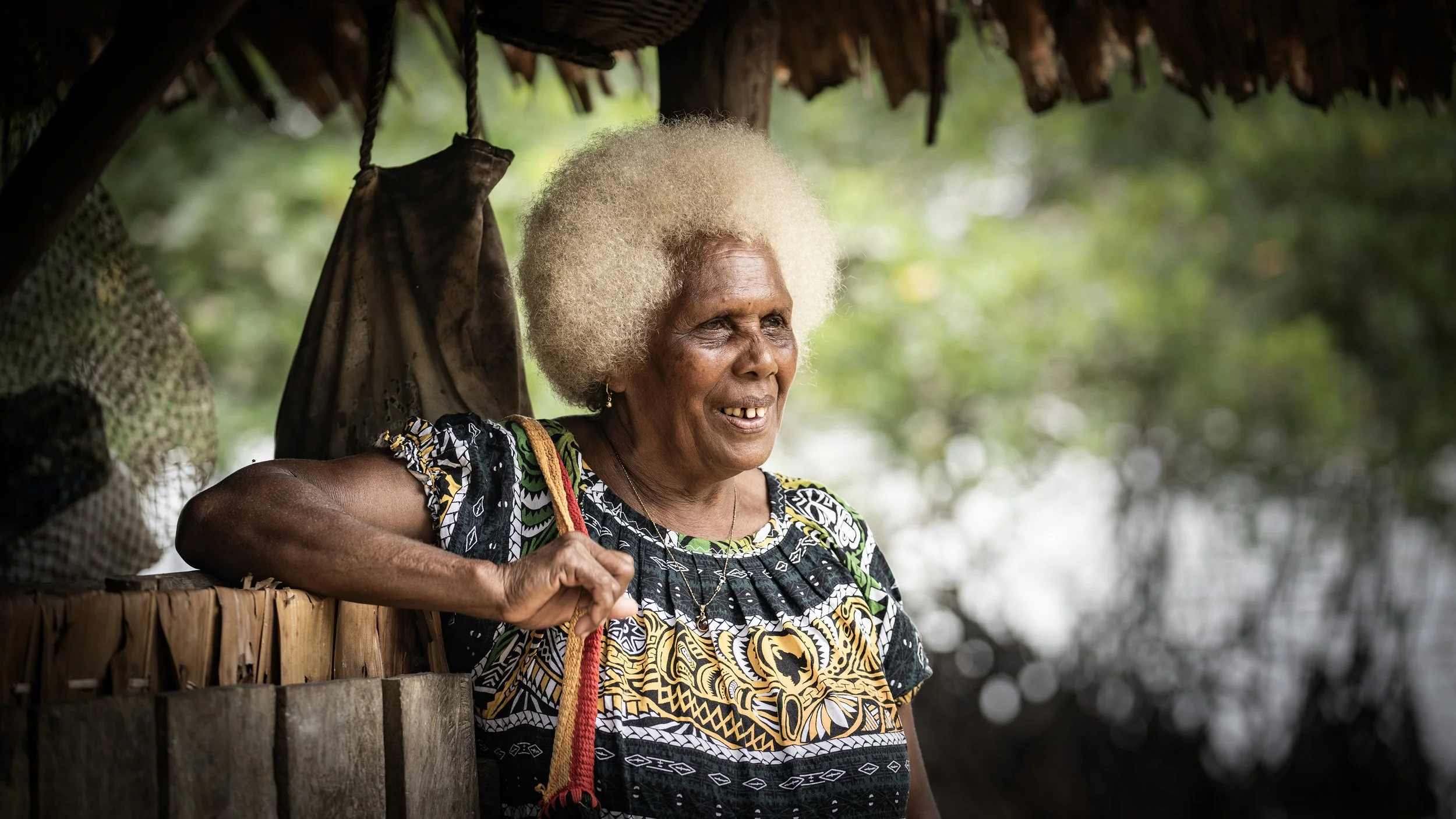
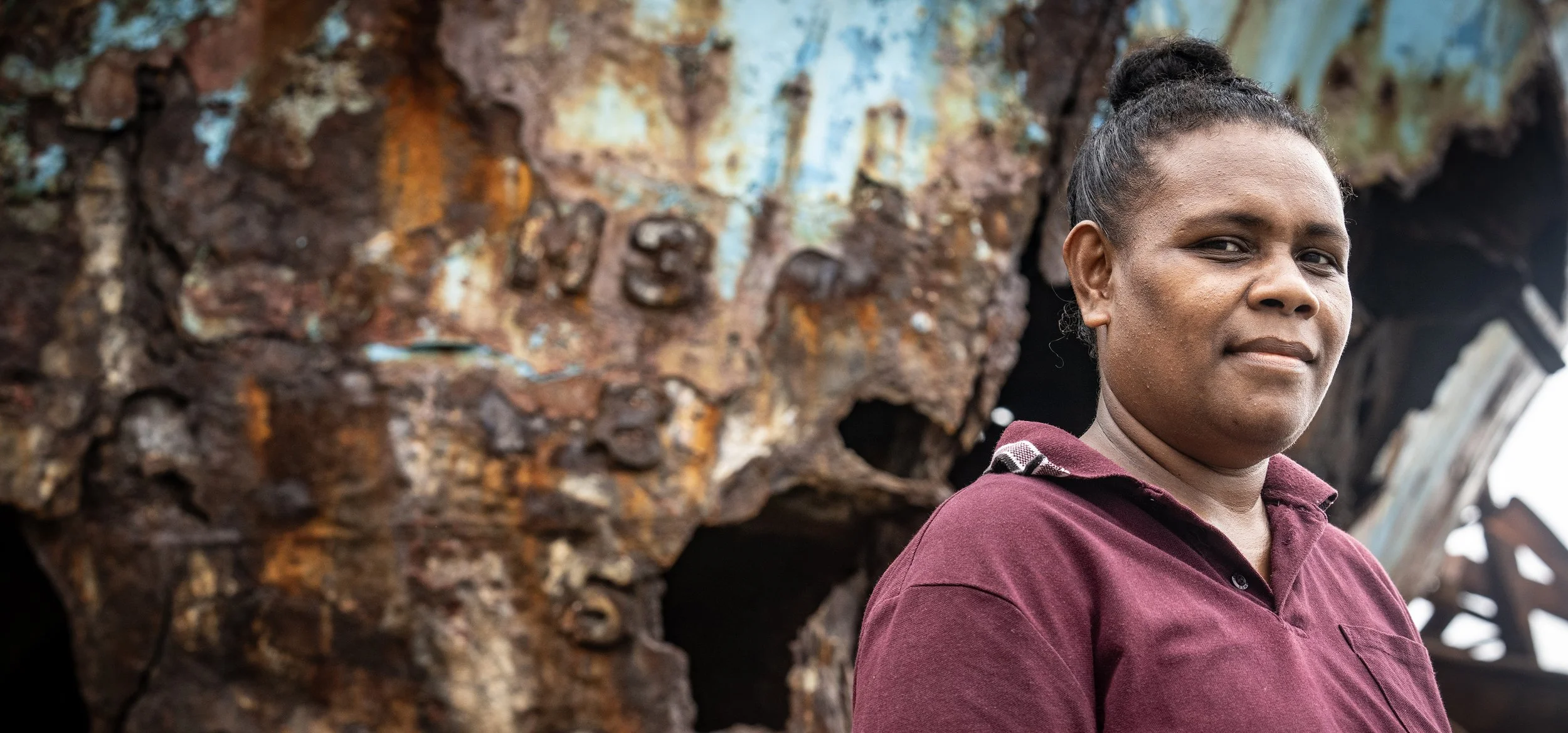
Dr Tutuo says poverty, malnutrition, and food insecurity are complex issues stemming from a food system with wide-reaching consequences on Solomon Islanders' health, well-being, economic stability, and environmental development.
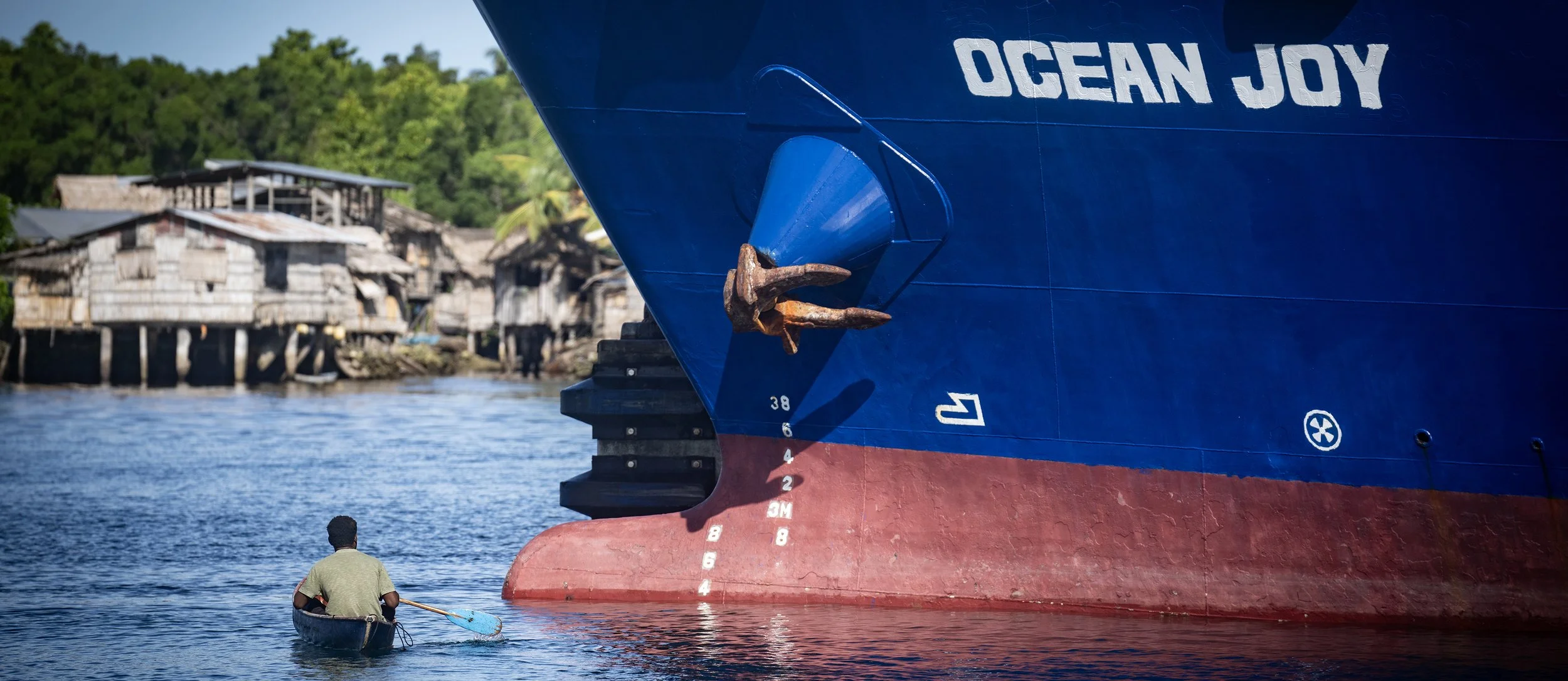
The nutrition expert explains that the Solomon Islands, like many Pacific Island nations, suffer under the burden of malnutrition with problems like population growth, declining agriculture and fisheries productivity, and global food trade have driven greater reliance on imported foods.
“Poverty rates in the Solomon Islands are high when compared with the rest of the world, especially in rural areas. Hunger and malnutrition are widespread, particularly among vulnerable populations such as women and children in rural areas.”
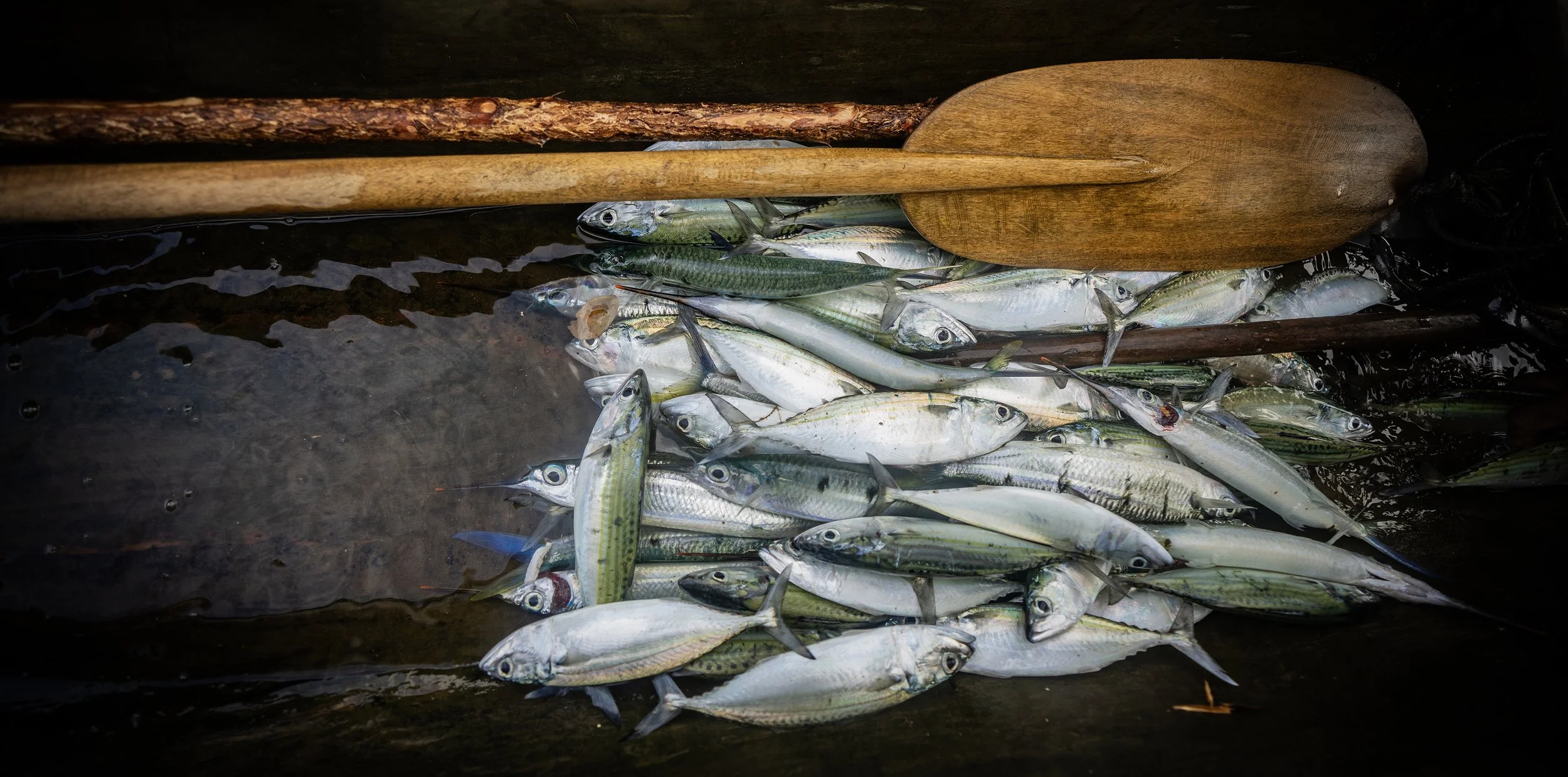
“Fish remains central to the local diet, yet we’re still seeing a rise in malnutrition. One-third of Solomon Islander children under the age of five are stunted, 8.4 per cent are wasted, and 4.5 per cent are overweight.”
One such health concern is anaemia, a blood disorder characterised by a reduced ability of the blood to carry oxygen. The most common nutritional cause of anaemia is iron deficiency. “Anaemia is a serious public health problem that particularly affects young children and pregnant women. In some cases, it may simply involve dietary changes, but if left untreated, anaemia can lead to serious complications, such as heart problems and organ damage.” Says Dr Tutuo.
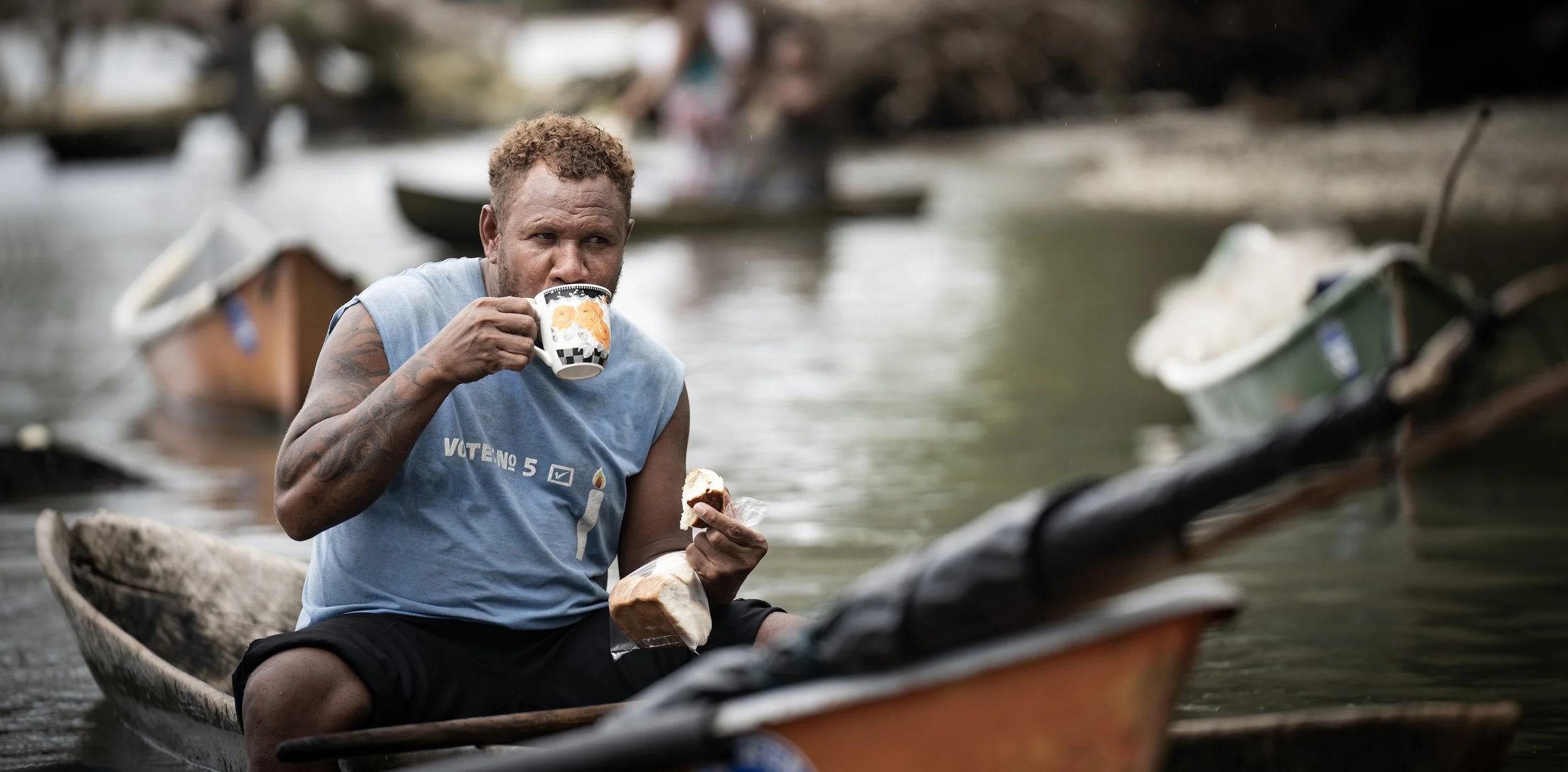
Tutuo, an expert in public health research and nutrition-related policy, believes that part of the problem lies in the shift toward imported, processed foods, which are favoured for their taste, convenience, and affordability. “We’re now seeing the rise of the ‘triple burden of malnutrition’—undernutrition, micronutrient deficiencies, and overnutrition—sometimes within the same household.”
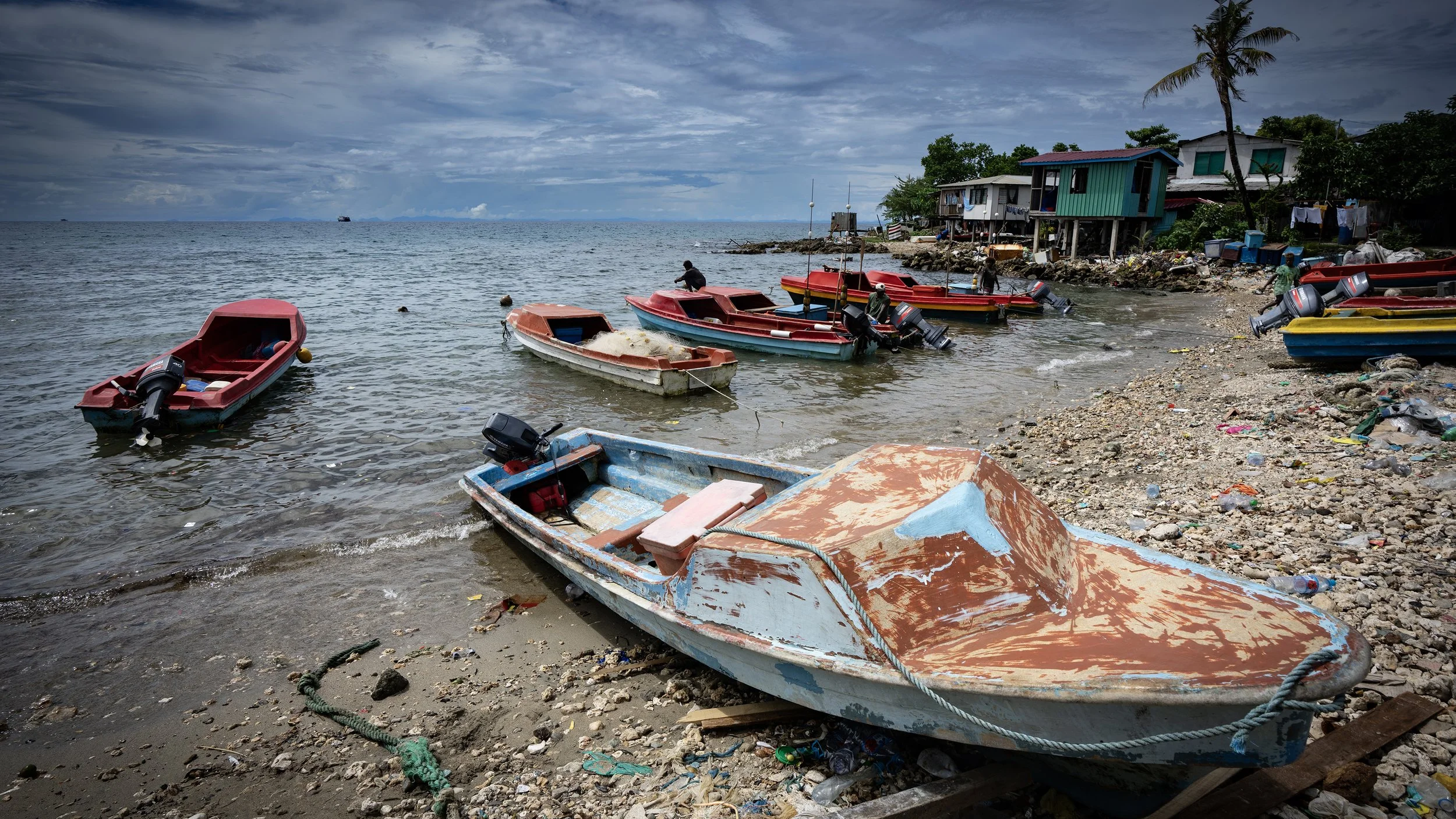
Solomon’s food system is influenced by numerous different drivers. In recent years, overfishing, climate change and natural disasters have threatened fisheries productivity, while trade policies, population, and infrastructure shape food availability and affordability.
“There is still a lot of work to be done in addressing malnutrition in the Solomons’. We need to curb the massive increase in unhealthy food imports like fatty canned meats to sugar-sweetened beverage imports, and we need to incentivise households to grow food crops and source local fish.”
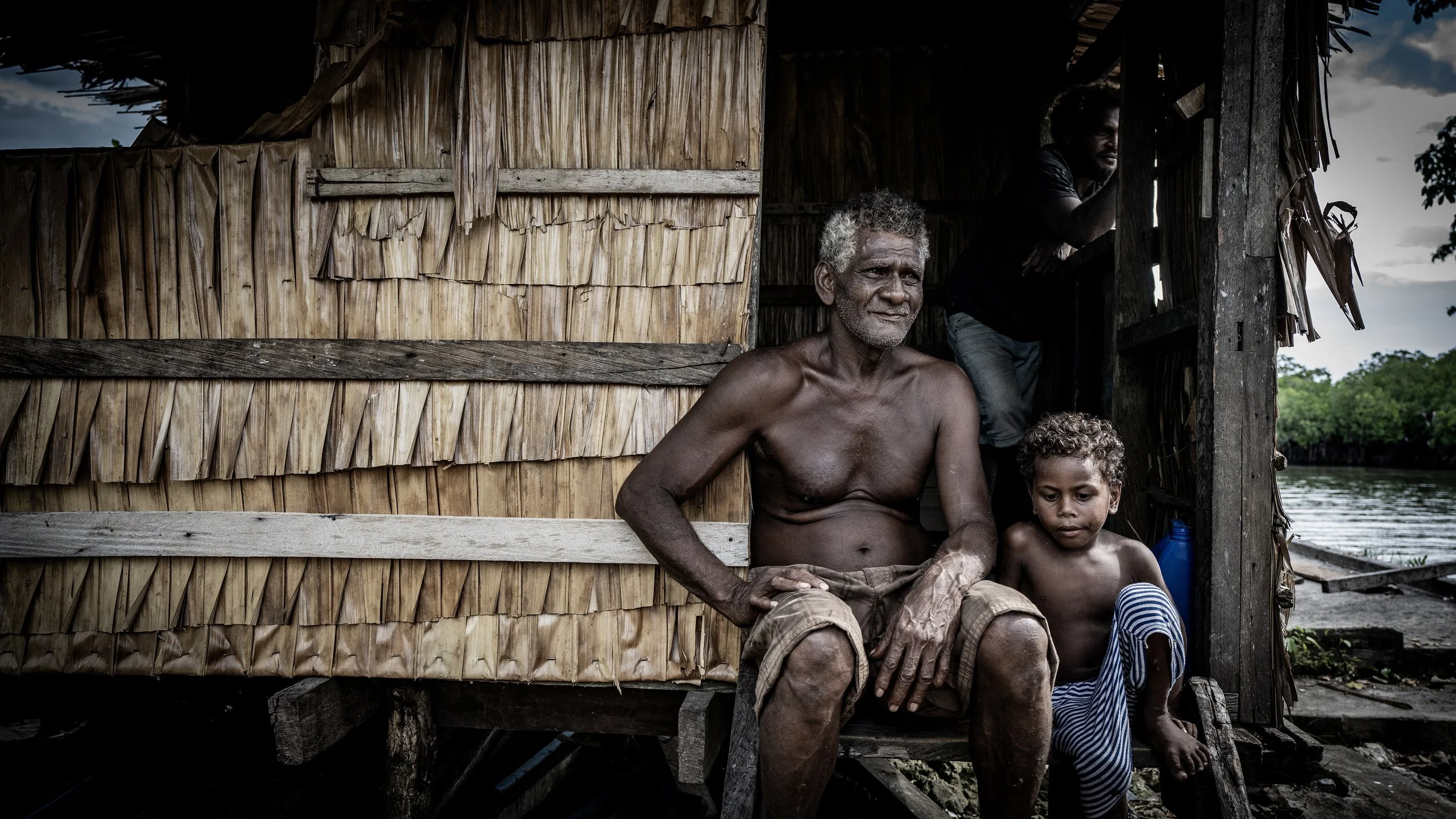
A Growing Crisis and a Local Solution
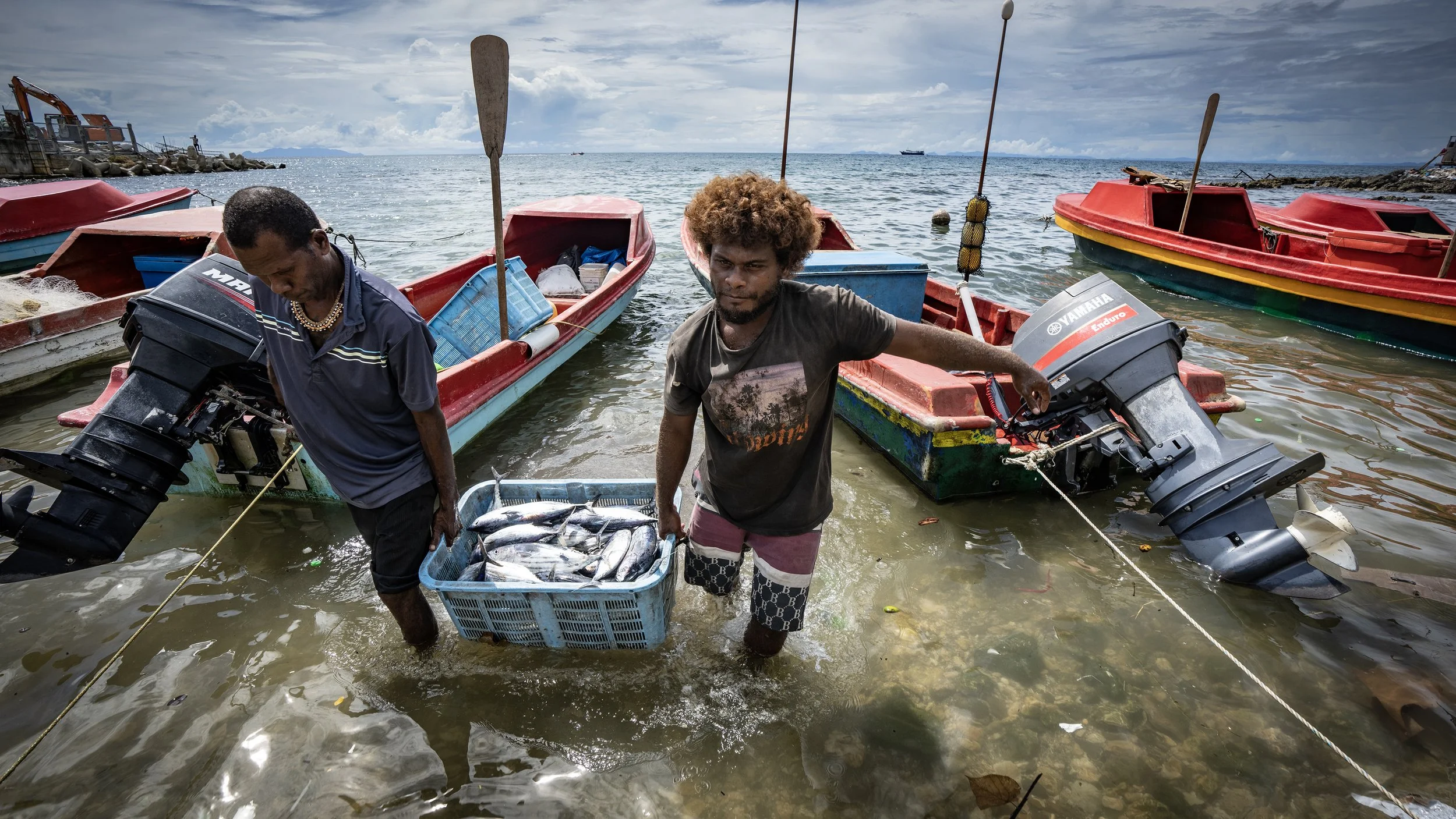
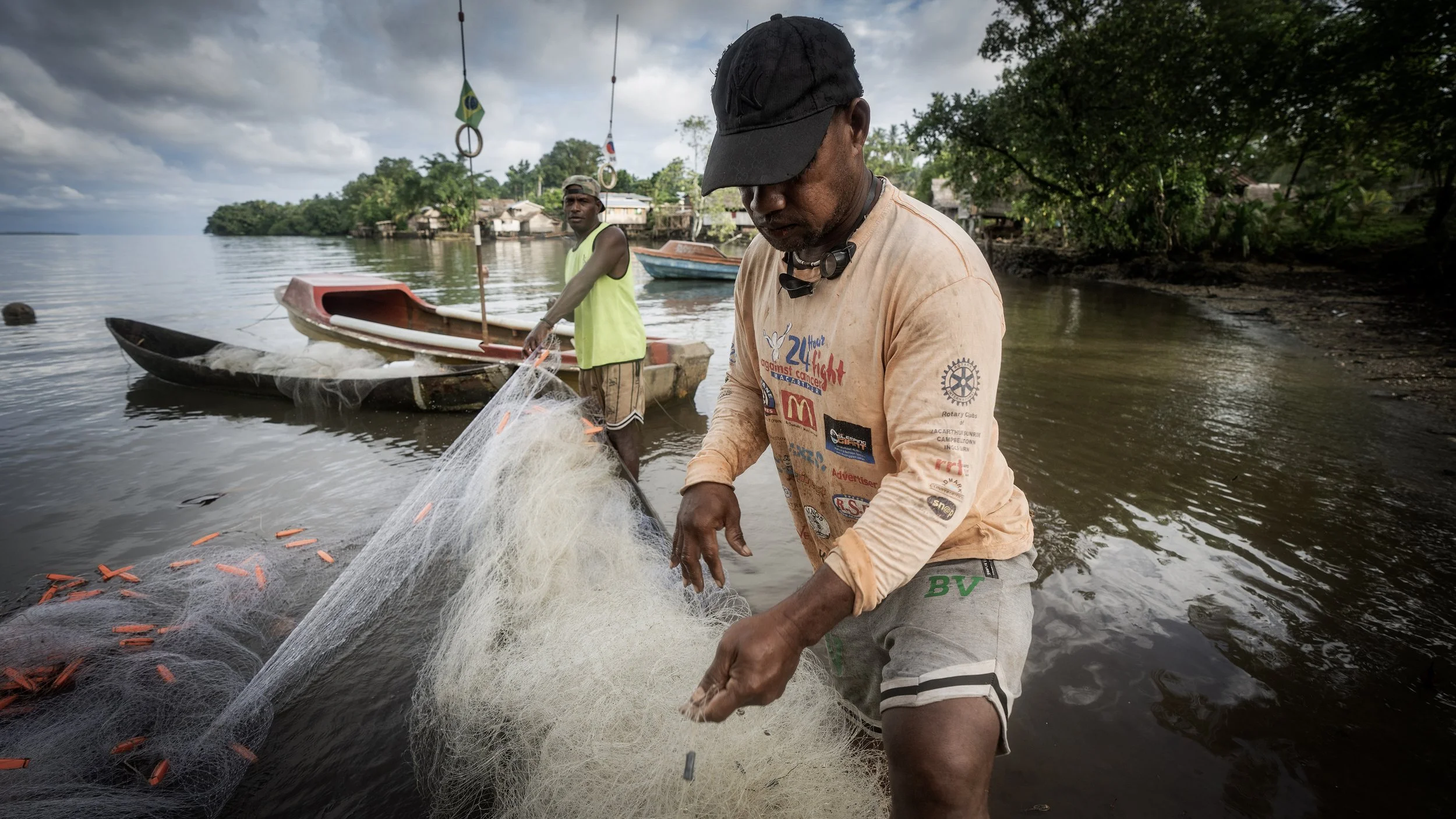
WorldFish Country Director Janet Saeni-Oeta says feeding a growing population is one of the Solomon Islands’ biggest challenges. Despite ample access to fresh fish and aquatic resources, many families—especially women and children—struggle to meet their nutritional needs.
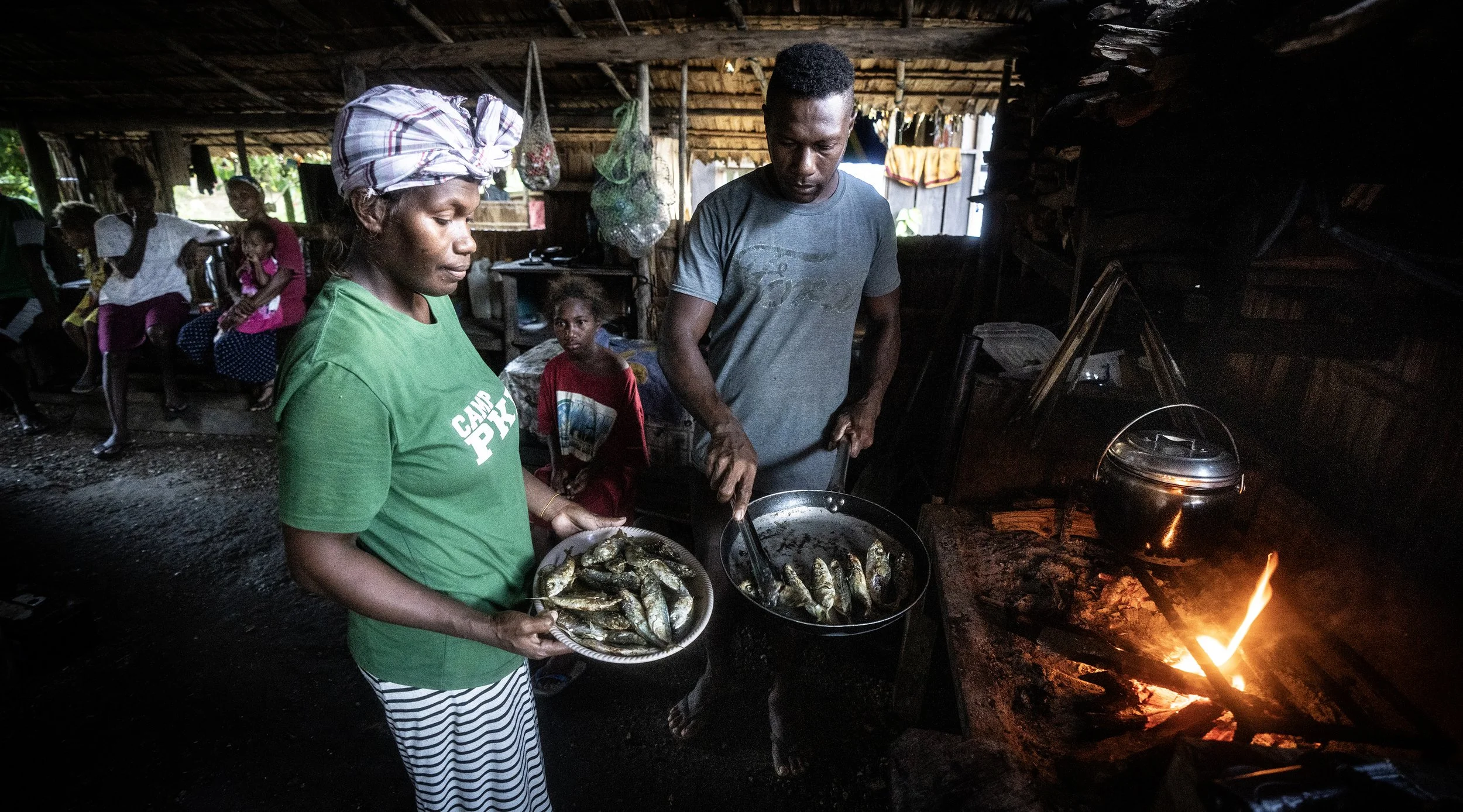
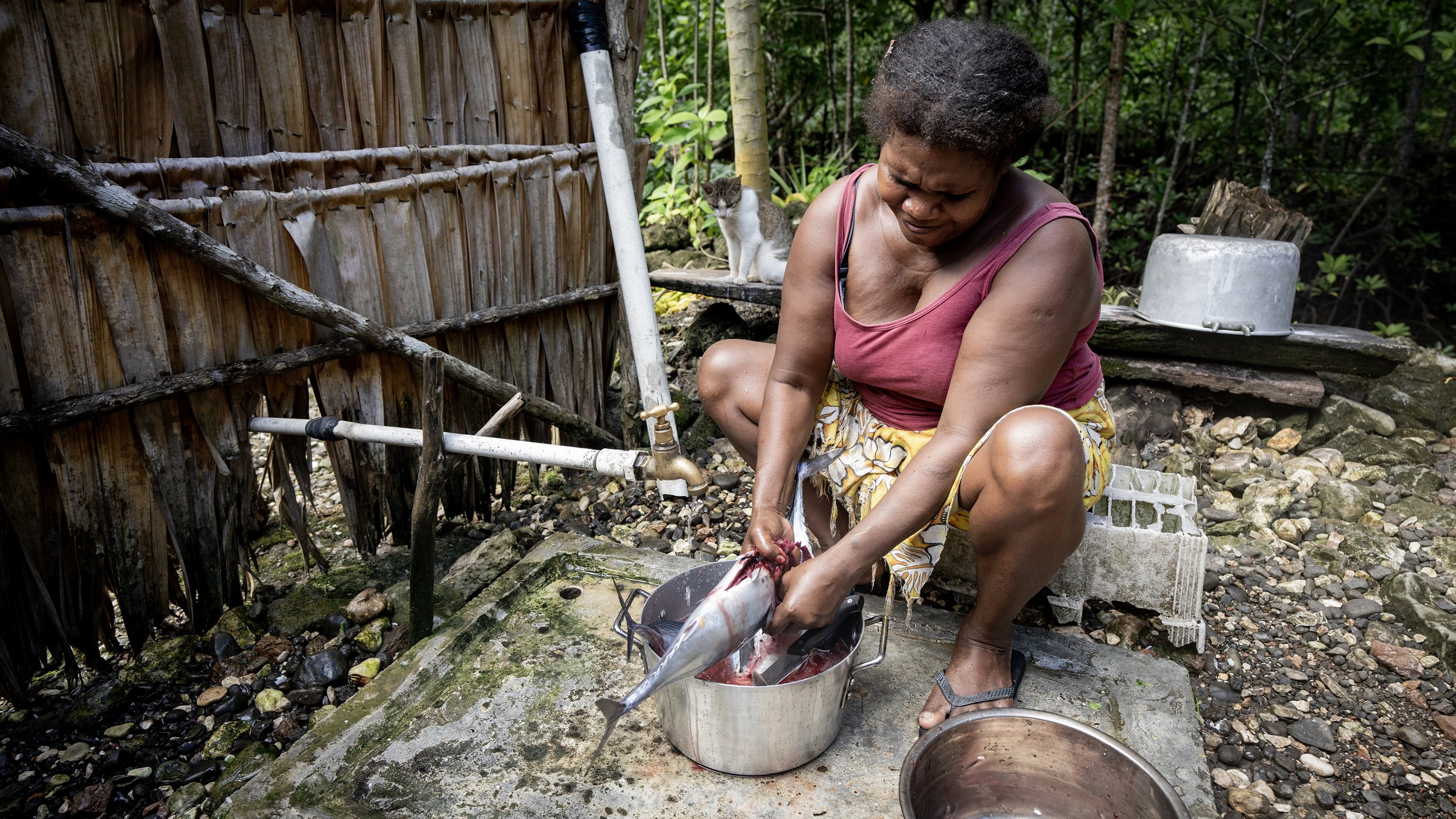
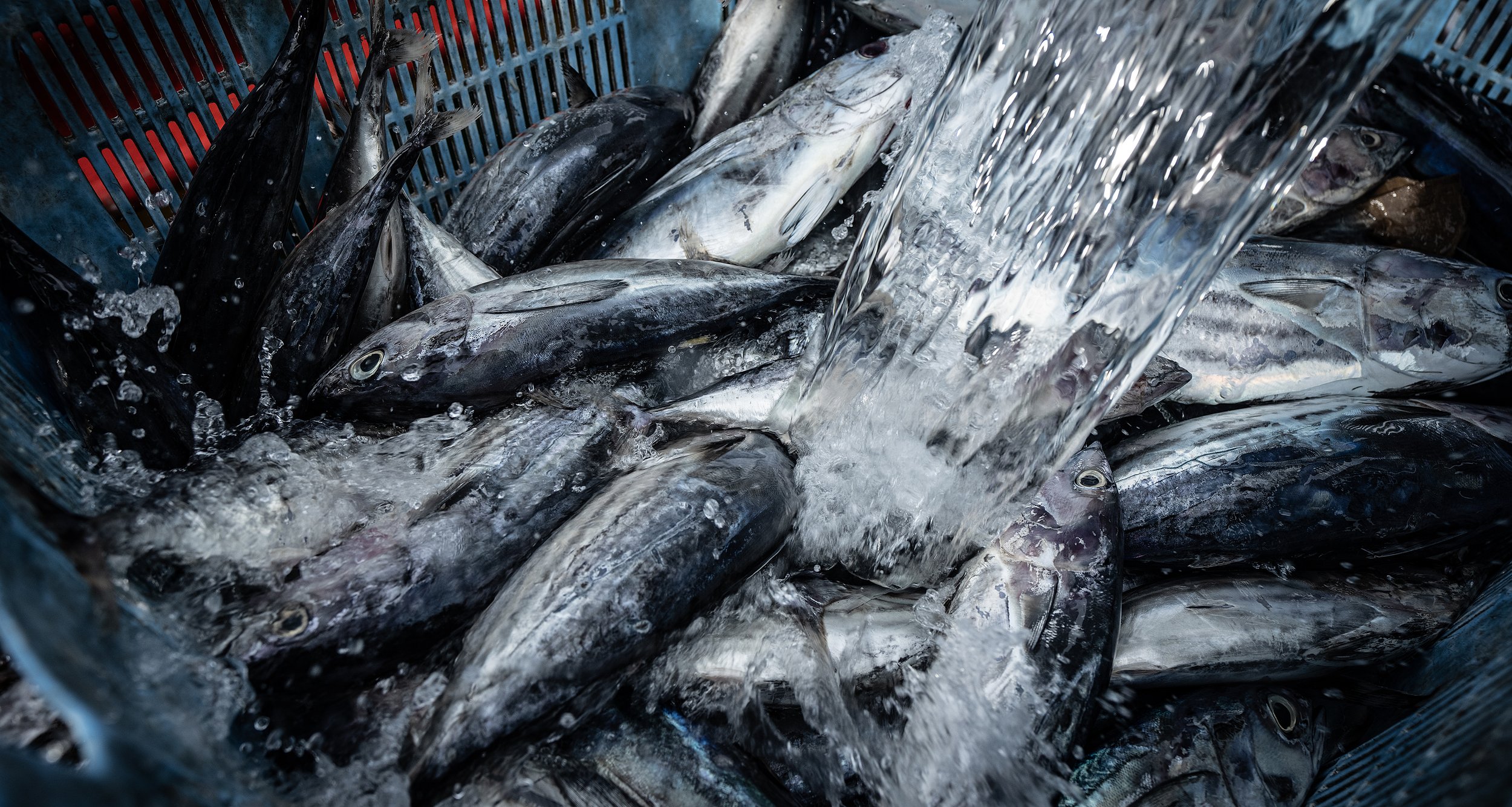
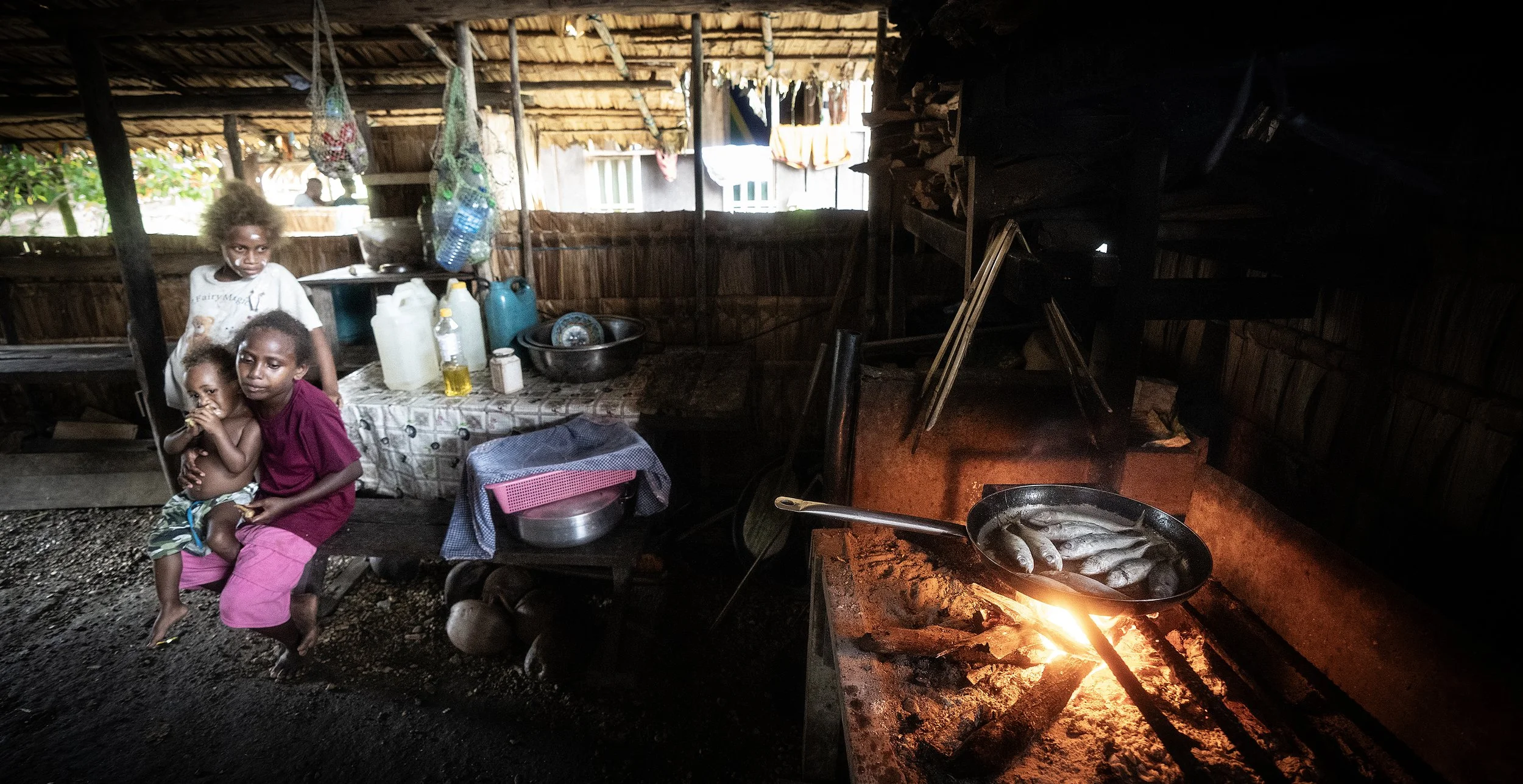
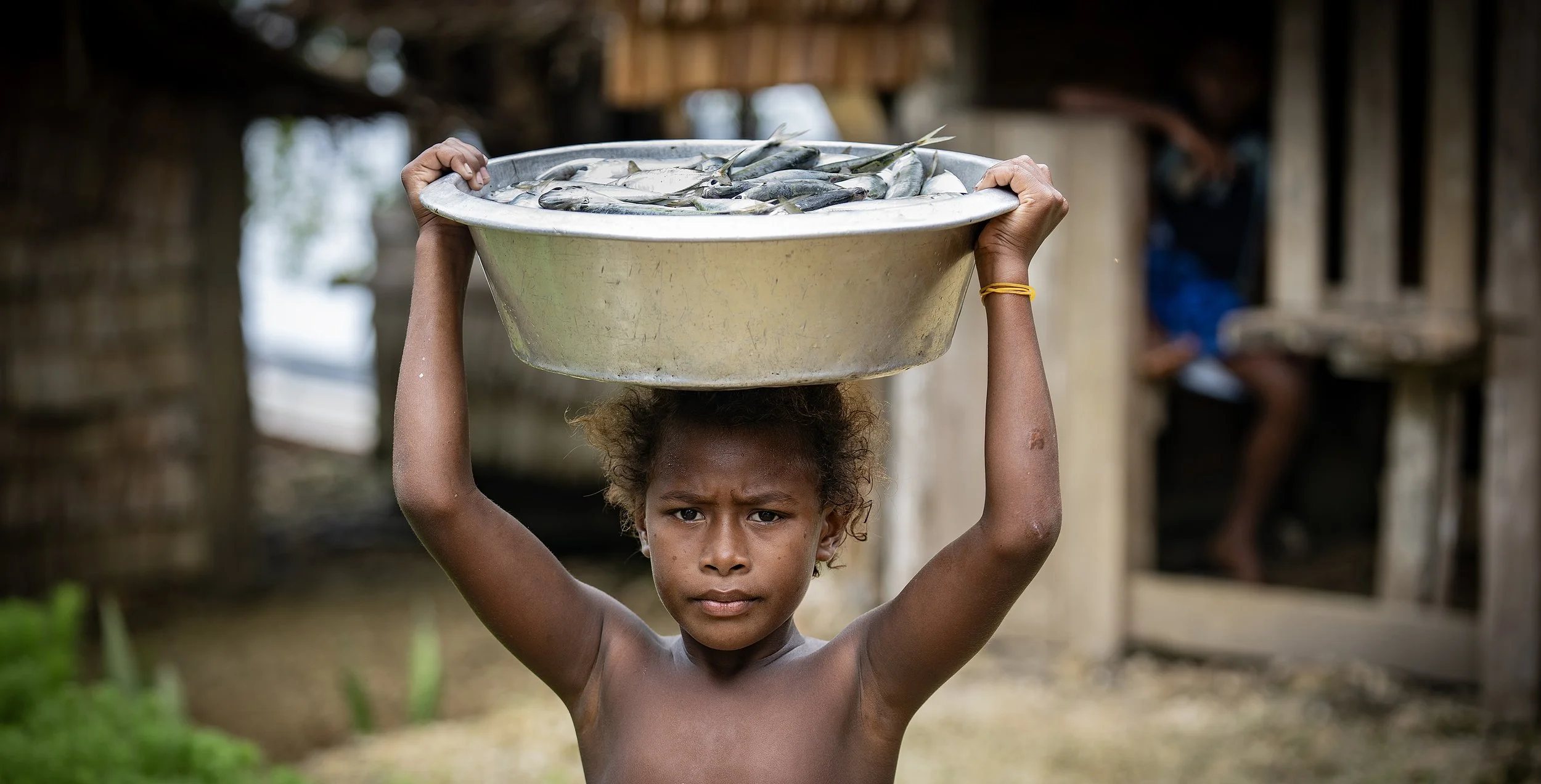
“While fish is consumed regularly—three to four times a week in some communities—men typically get the largest portions,” says the expert in Coastal Fisheries Management and Community Engagement. “Women and children often eat less, falling short of their nutritional requirements.”
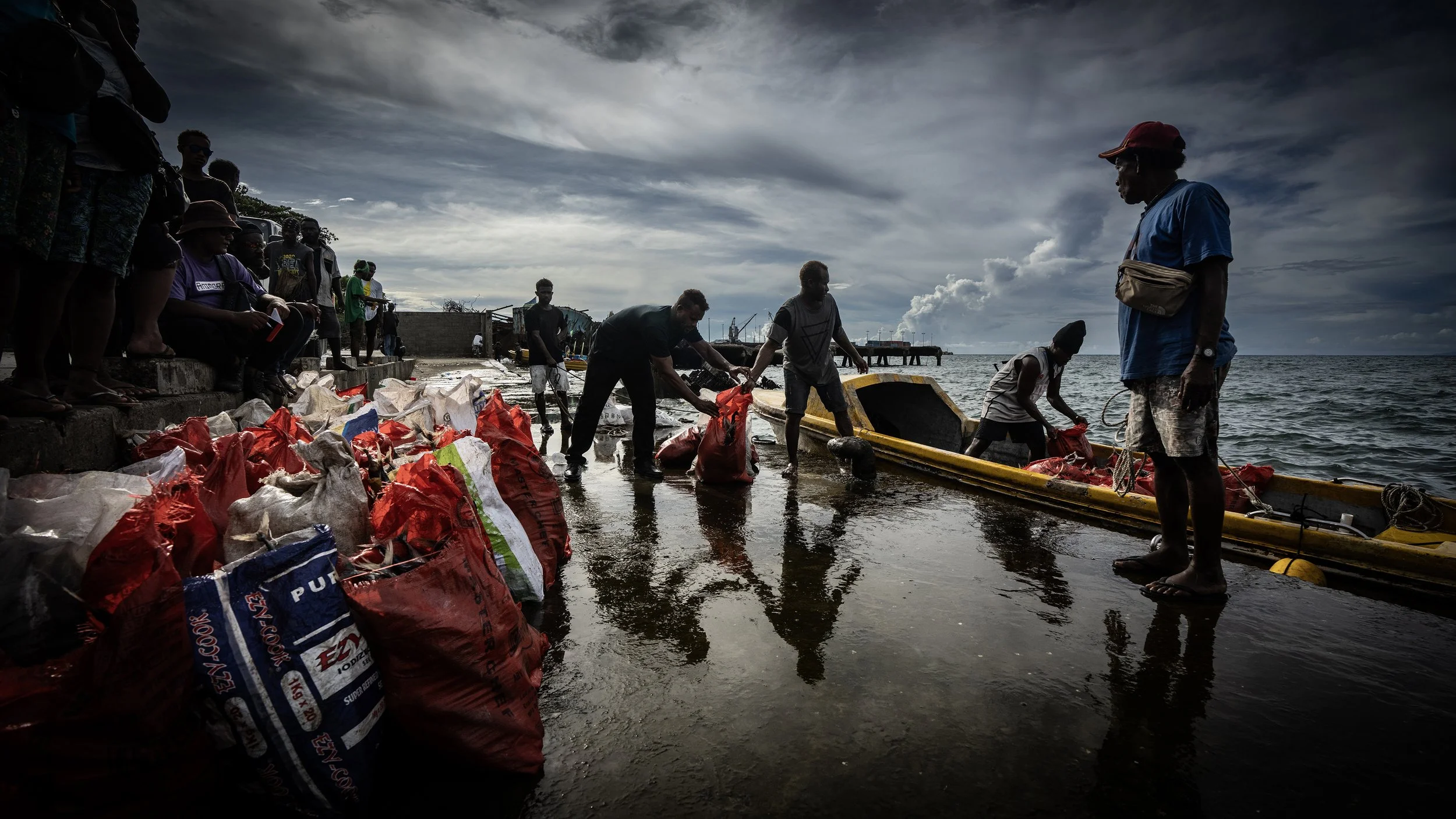
Most rural and urban households that do cultivate food rely on exchanges with family and community and depend on access to small fresh produce markets. However, the growing reliance on tinned meats, instant noodles, and rice is rapidly undermining dietary quality.
“We’ve found education is key,” Ms Saeni-Oeta adds. “By teaching communities about balanced diets, we promote both human and environmental health. We also support community-based resource management that recognises the role of women in nutrition and sustainability.”
The nutrition initiative is a partnership between the Solomon Islands Government, WorldFish, ANCORS (Australian National Centre for Ocean Resources and Security), and ACIAR (Australian Centre for International Agricultural Research), with funding from the Australian Government. The program supports local fishers and promotes replacing imported, processed foods with fresh, locally sourced alternatives.
Maternal and child health outcomes reflect the country’s nutrition challenges. As of 2021, the maternal mortality rate stands at 104 deaths per 100,000 live births, under-five mortality is 19.7 per 1,000, and neonatal mortality is 8.2 per 1,000. Reducing these rates requires eliminating poverty, ending hunger, and transforming the food system.
“There is a solution,” says. “Food and nutrition education, paired with the sustainable development of coastal food systems, particularly nearshore fisheries and land-based agriculture, can deliver positive change.”
She adds: “We must promote nutrition-sensitive agriculture and fisheries, encourage the production of diverse, nutrient-rich foods, and focus education efforts on the first 1,000 days of a child’s life to guide informed food choices.”
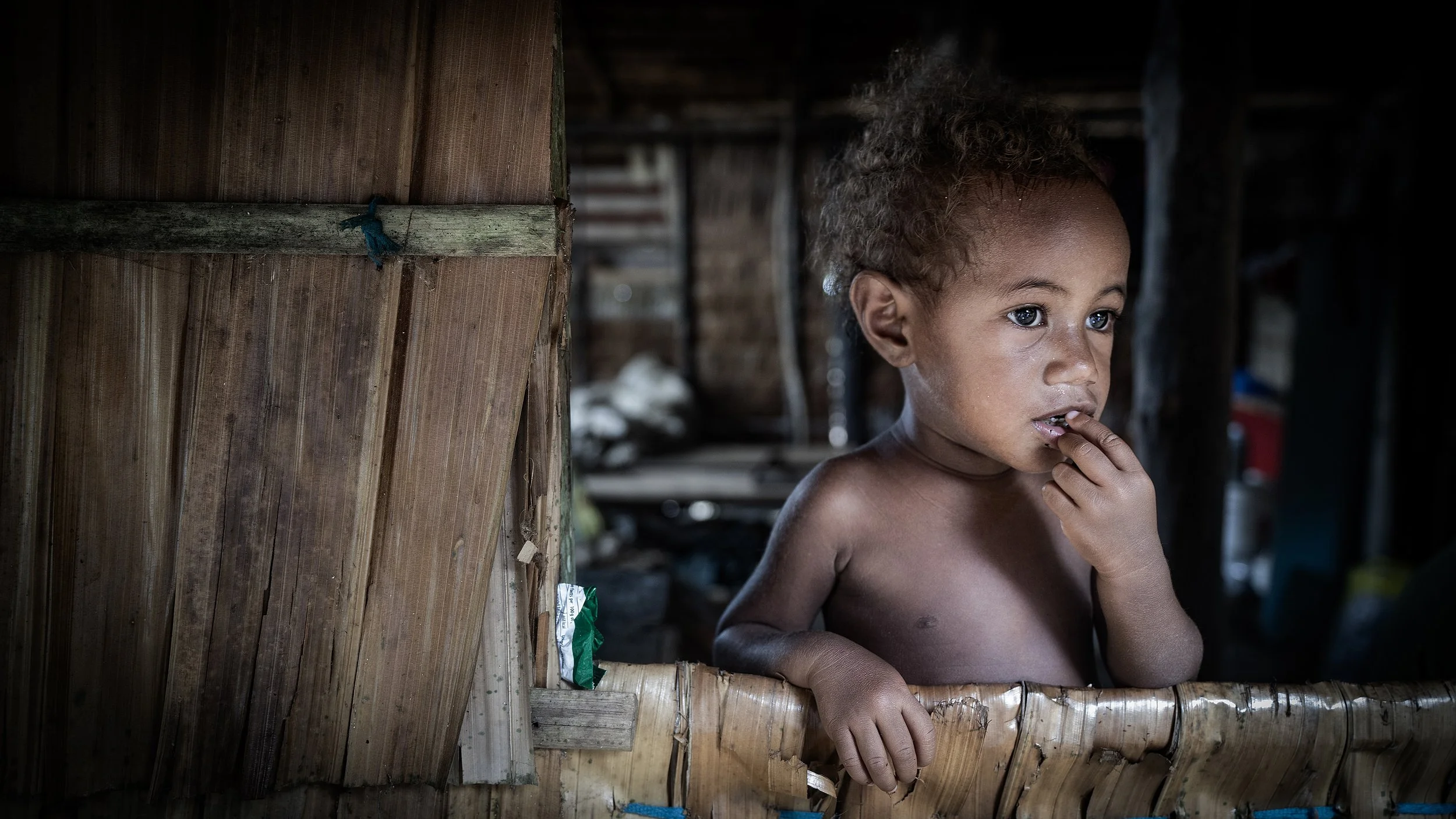
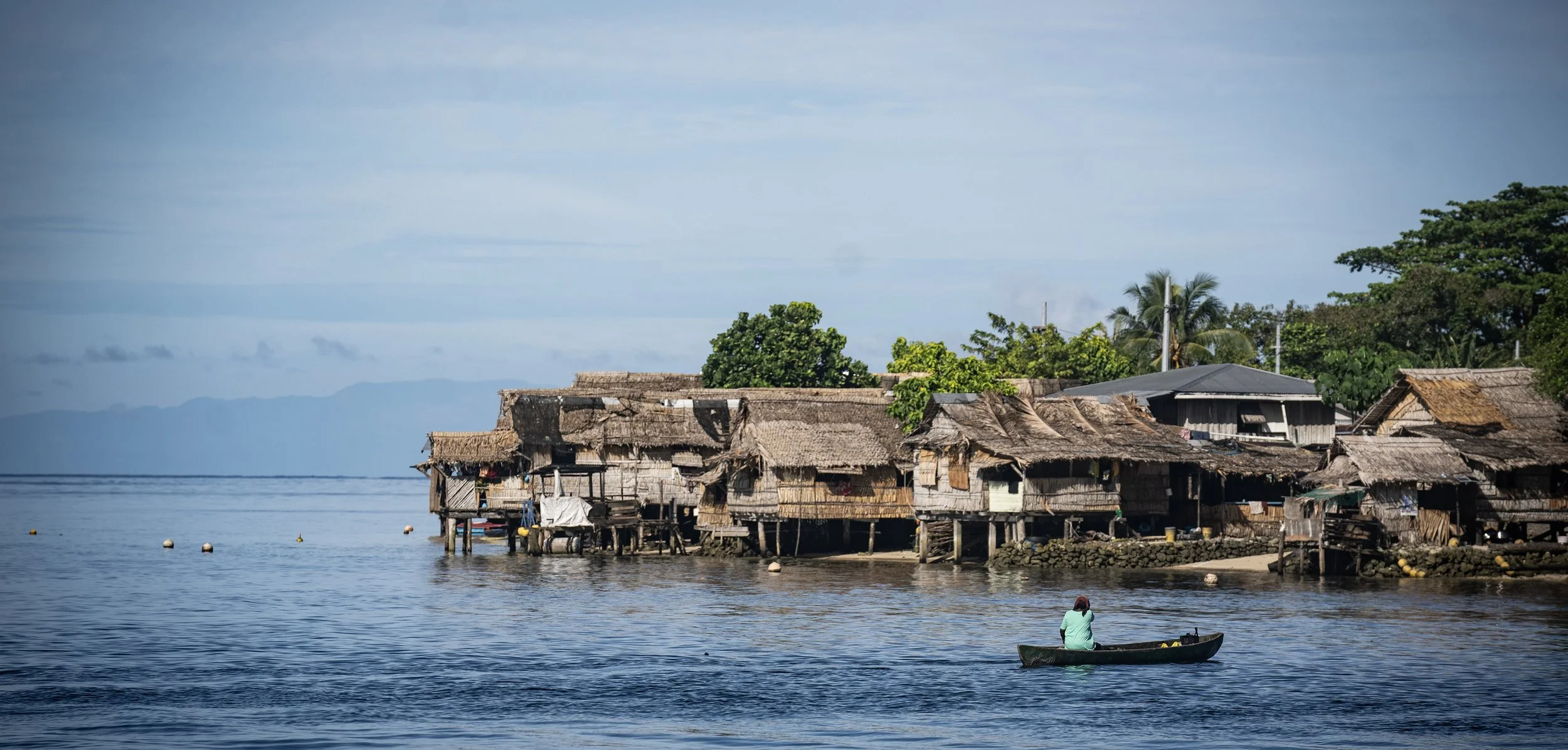
Empowering Women: A Shift in Roles and Voices
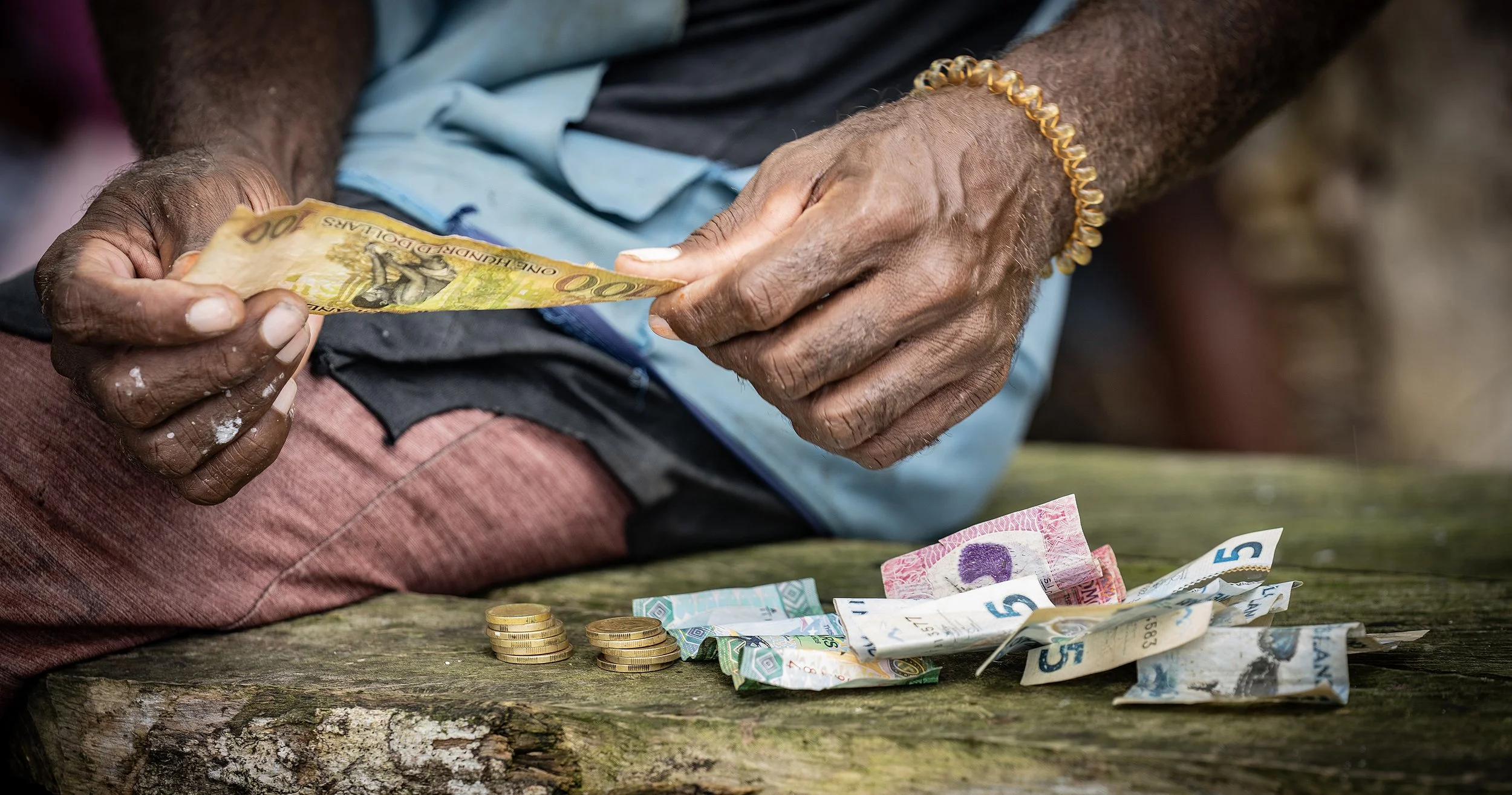
In Adaitolo, northern Malaita, teacher and community health worker Joy Belia, 65, says women understand the value of fresh fish—but financial pressure often forces them to sell the catch rather than feed it to their families.
“Catching enough fish for both selling and eating is getting harder,” she says. “And we often use the money from fish sales to buy less nutritious processed food.”
To address this, WorldFish and the Ministry of Fisheries support community programs that promote women’s empowerment by building economic independence and leadership skills. They also encourage home gardening, particularly in land-scarce coastal areas, where growing leafy greens can help improve food security and reduce household costs.
“This program is a vital step in tackling nutrition challenges,” says Director Janet Saeni-Oeta. “It helps ensure that future generations can thrive.”
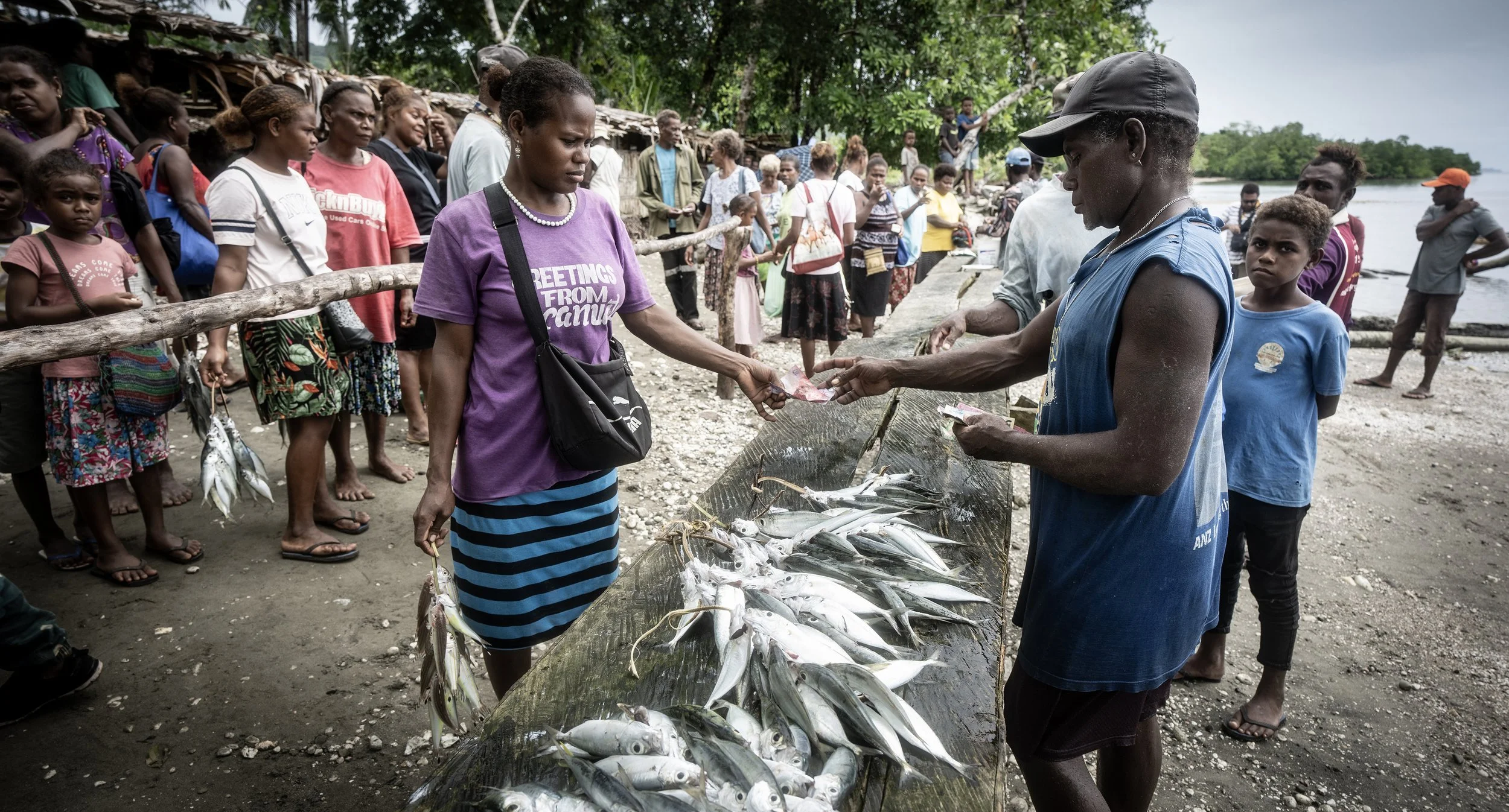
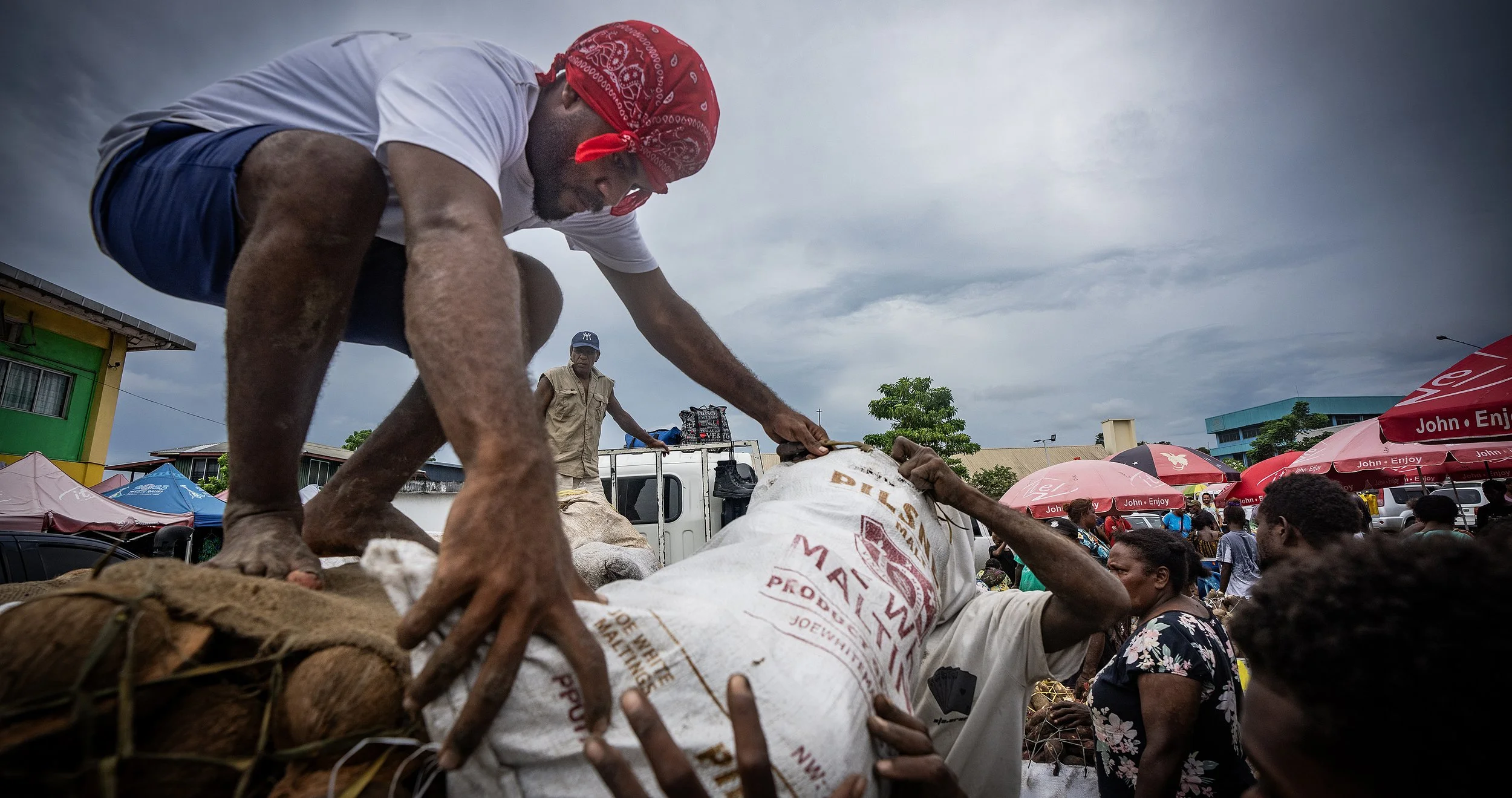
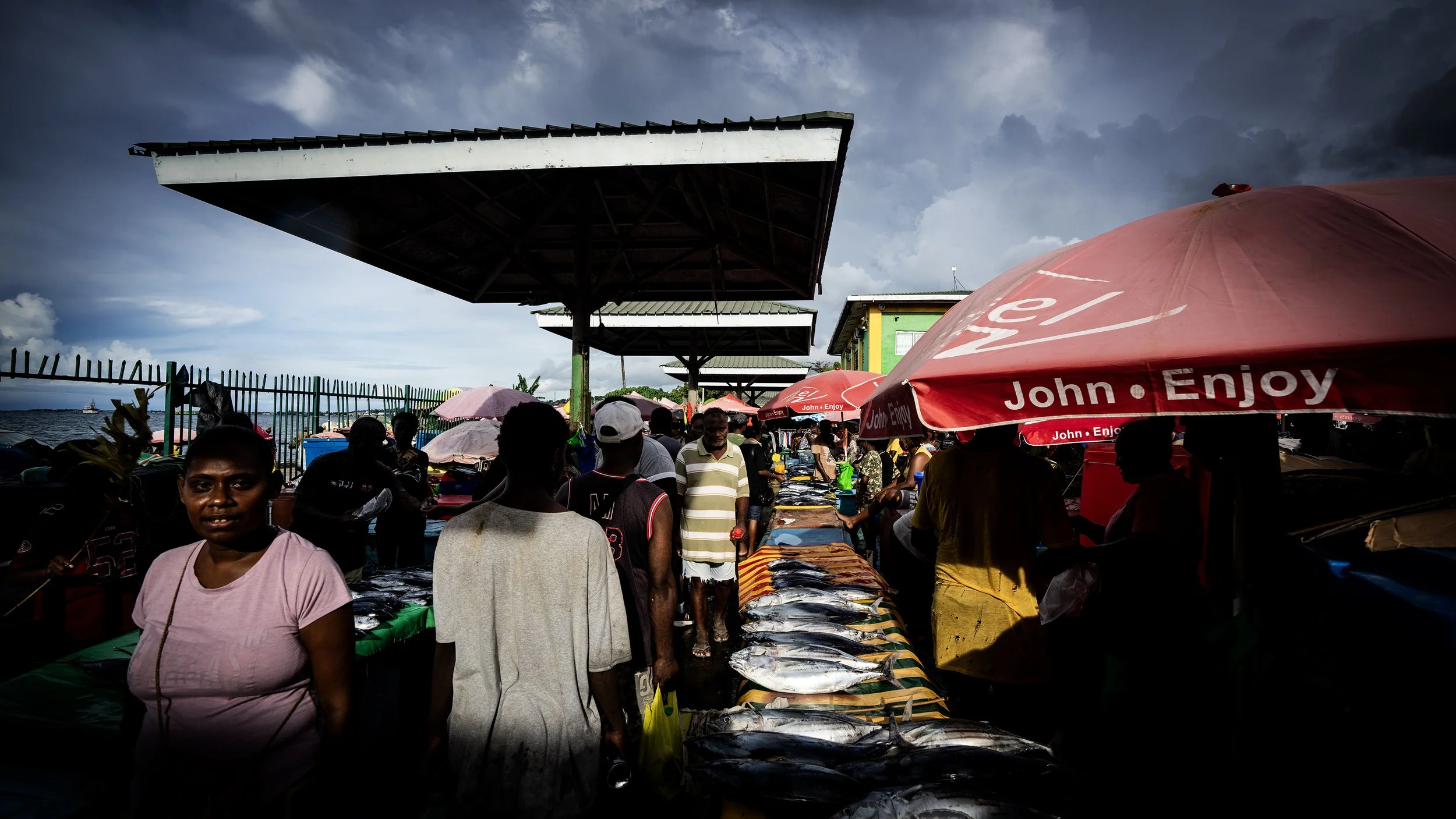
Across the country, women are gaining more economic opportunities. Local markets, like the market in Malaita’s capital Auki, buzz with trade. Here, women sell fresh and dried fish, root crops, garden produce and locally made handicrafts. “Local produce markets serve as both economic engines and empowerment platforms; they are not just important for local economies but essential for women throughout the Solomon Islands.”
Changing Tides: Gender, Tradition and Leadership
While the Solomon Islands remains a patriarchal society, change is underway. Women are increasingly participating in decision-making, attending village meetings once dominated by men, and stepping into leadership roles.
However, according to Margaret Batalofo, a Research Analyst at WorldFish in Auki, gender inequality remains a development challenge, marked by high rates of gender-based violence, limited economic power, and low representation in leadership.
Traditional concepts, such as kastom, which often limit women’s authority over land and marine resources, are slowly being challenged. Working in conjunction with Australian-led programs, Solomon Island Government Ministries and local NGO’s, women like Ms Batalofo are working to dismantle gender stereotypes and promote female participation in fisheries governance.
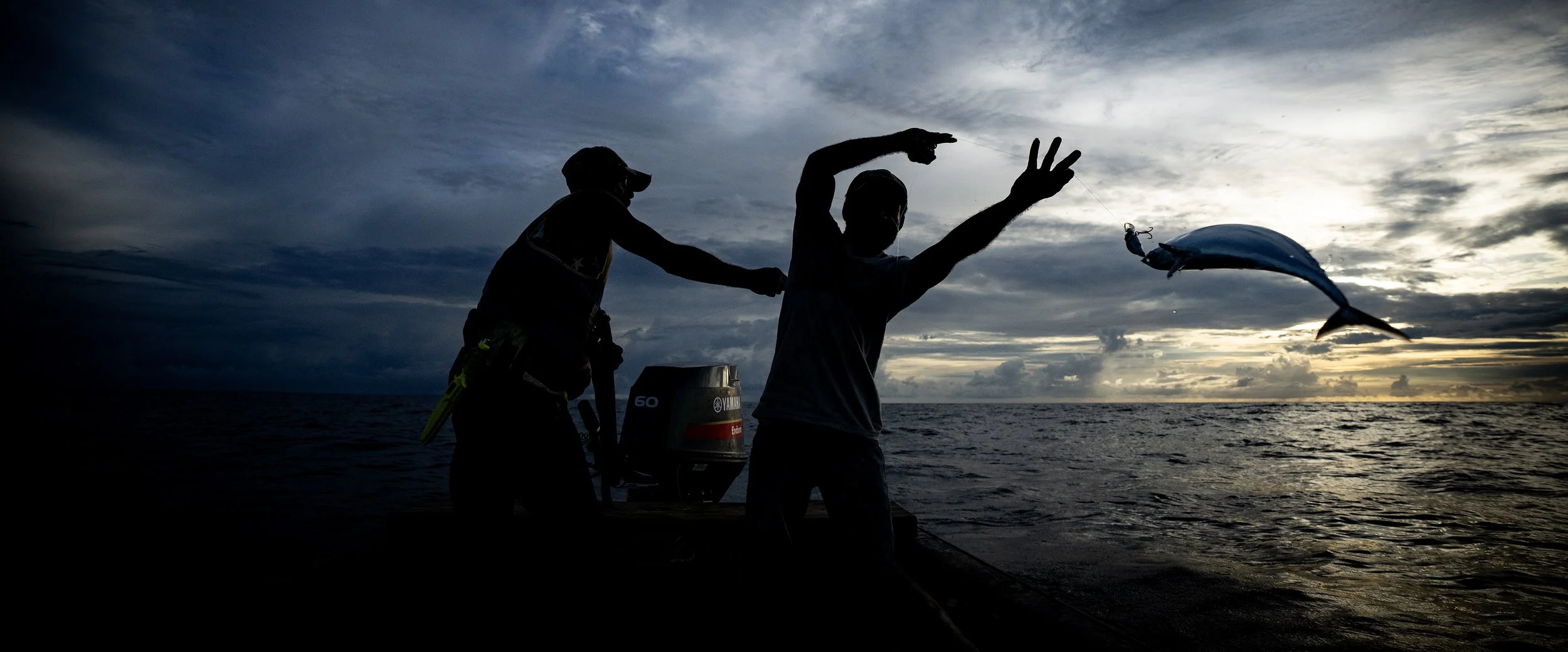
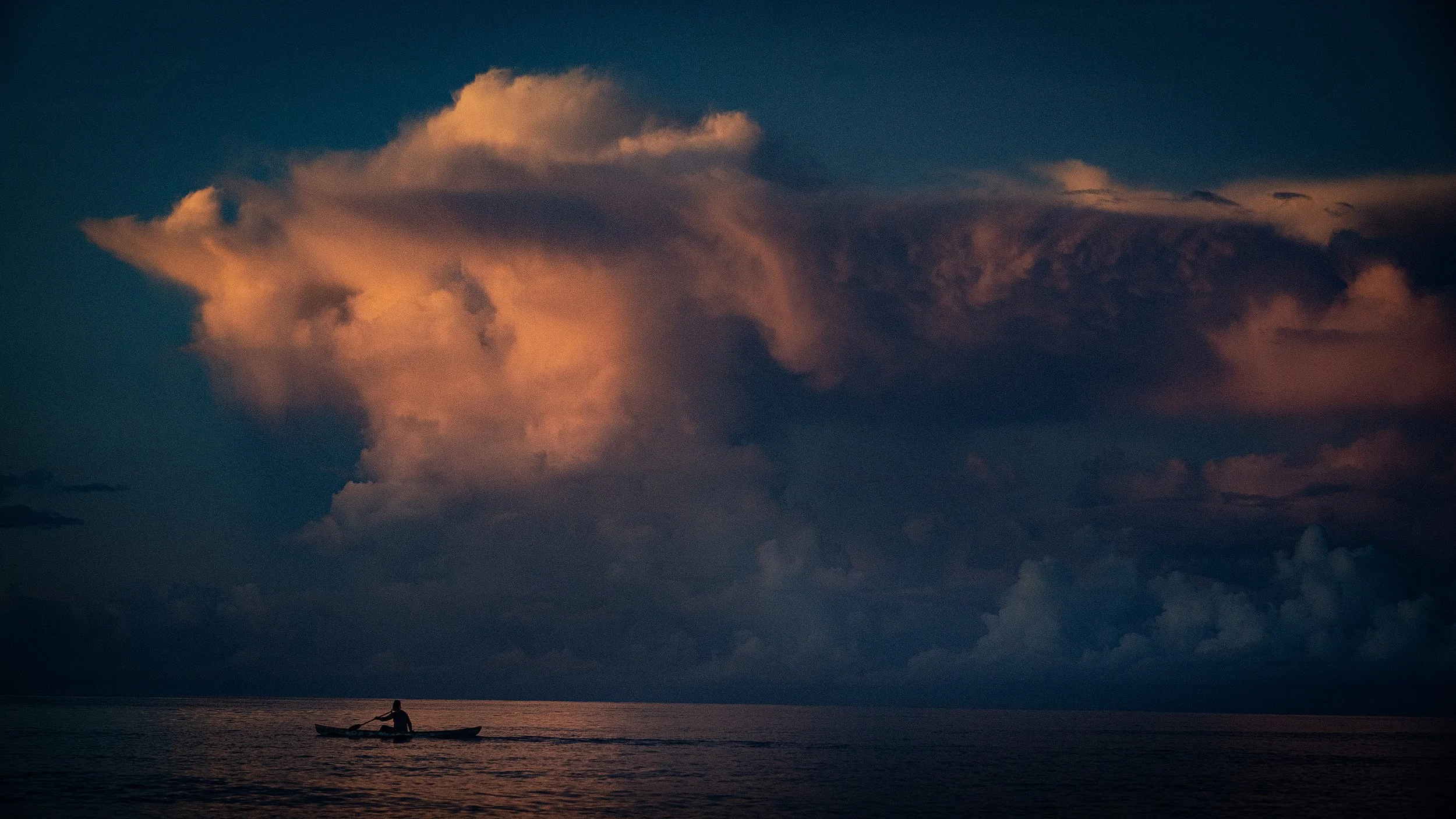
“With nearly 1,000 islands, fishing supports over half of the Solomon Islands' population,” says the researcher. “Yes, we need to improve how we catch, and trade fish is essential for rural development, but remember, it is the women of the Solomon Islands who are integral to that progress.”
She describes the daily struggle of rural women as a constant ‘push and pull.’ A push towards modern ideas behind gender equity and development, and the pull of traditional gender roles for women embedded in what it means to be a good Solomon Islander woman. “We (women) are striving for equality while managing expectations rooted in our cultural traditions.”
Mary Barlau, a community leader from Oibola village in East Malaita, doesn’t mince her words. With an audience of predominantly male community leaders sitting at an outdoor table, the strong woman in her 50s speaks her mind. “In the past, women weren’t heard during village meetings. Now, women are speaking up and helping manage local resources. There’s no longer a taboo on our voices.”
Ms Barlau says Solomon’s ideas and attitudes regarding women’s roles within the community are changing, partly due to access to programs such as training, leadership roles, and economic opportunities offered by WorldFish and other NGOs.
“Women’s empowerment must be seen as a journey,” says Grace Orirana, a WorldFish researcher and specialist in Solomon Islands fisheries. “Women already play a vital role in fisheries, but it’s often an invisible one. Programs like the ANCORS-led Pathways Project are proving that women’s inclusion is not only possible—it’s essential.”
The Road Ahead
Whilst women in rural areas contribute significantly to the local economy, their roles are often underappreciated. It is agriculture and fishing that remain their main sources of income. Selling surplus fish helps pay for school fees and other family needs. Women generate both subsistence and income generation for nearshore harvesting of shells, sea cucumbers and other invertebrates.
Other income-generating activities include selling handicrafts, weaving baskets, and making shell jewellery. Some women act as intermediaries between rural producers and market vendors.
Janet Saeni-Oeta says in the future it is necessary that women’s contributions be recognised and supported—whether managing marine resources, selling in markets, or cultivating home gardens. “The path to solving malnutrition and achieving food security in the Solomon Islands runs through our coastal villages—and women are leading the way. Rural women are key agents for achieving transformational economic, environmental, and social changes. The future of the Solomon Islands depends on unlocking the full potential of its women.”